Unveiling Demographic Influences on Discovery Patterns Within Multi-Platform Promotional Networks
Noah Vogel · Jun 30, 2026
Unveiling Demographic Influences on Discovery Patterns Within Multi-Platform Promotional Networks
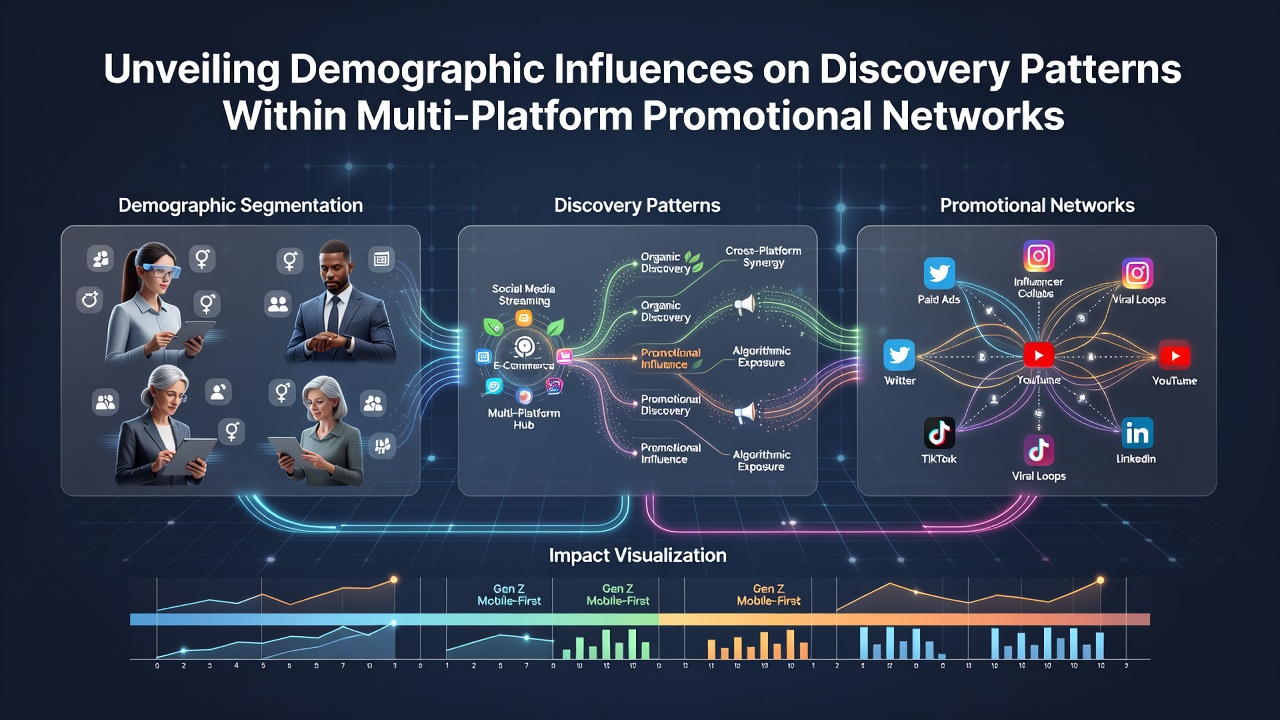
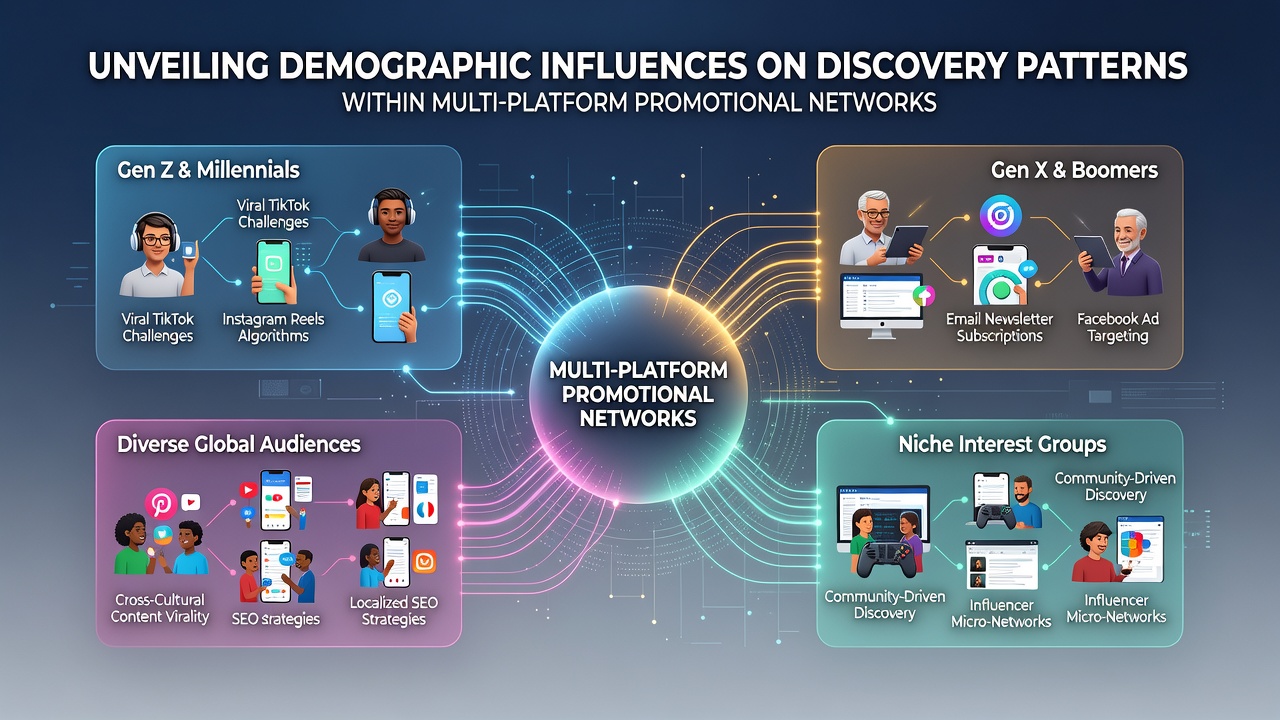
Multi-platform promotional networks connect users with contests, giveaways, and prize events through websites, social media channels, email lists, and mobile applications where demographic variables shape how participants first encounter these opportunities. Age groups differ markedly in their starting points for discovery because younger users often begin with algorithm-driven feeds on visual platforms while older participants turn to search engines or direct newsletter subscriptions, and data from multiple studies confirm these patterns hold across regions.
Age-Based Variations in Entry Points
Researchers at academic institutions have tracked how individuals aged 18 to 34 locate promotional content primarily through short-form video platforms and peer-shared links, whereas those over 55 rely more on established email alerts and dedicated contest aggregator sites. This split creates distinct discovery timelines since younger cohorts encounter flash promotions within hours of posting, yet older groups receive notifications days later through curated lists. Observers note that device type reinforces these habits because mobile-first access accelerates real-time alerts for one segment while desktop browsing favors methodical searches for another.
Geographic and Cultural Dimensions
Location influences discovery because urban residents in high-density areas access promotions via location-based notifications and regional social groups, while rural participants depend on broader national platforms and search queries. According to Pew Research Center findings, internet users in metropolitan zones report higher interaction rates with cross-platform sharing features that surface contests quickly. Cultural factors add another layer since communities with strong local traditions often discover promotions through community forums and language-specific groups that operate alongside mainstream networks.
Socioeconomic Influences on Channel Selection
Income and education levels correlate with preferred discovery routes because higher-income participants frequently engage through premium membership tiers on aggregator platforms that offer early access, whereas lower-income groups gravitate toward free social media feeds and public search results. Studies from Statistics Canada have documented these trends in participation data where education correlates with use of multiple verification tools before entry. Network algorithms further amplify differences since platforms prioritize content visibility based on engagement history that tends to cluster along socioeconomic lines.
Gender and Content Format Preferences
Gender patterns emerge in format preferences where one group responds more readily to visual storytelling in promotions shared on image-heavy platforms and another favors text-based announcements in professional networks. Data indicates these preferences guide initial discovery because recommendation engines surface matching content types faster to aligned user profiles. Those who study participation logs report consistent gaps in first-contact channels that persist even as platforms update their algorithms.
Emerging Trends Through 2026
Projections for June 2026 highlight continued evolution as new platform integrations and regulatory updates alter discovery flows across demographics. European data protection frameworks and similar measures in other regions encourage shifts toward verified channels that some age groups adopt more readily than others. Industry reports from organizations such as the Interactive Advertising Bureau point to increased use of unified dashboards that may reduce fragmentation yet still reflect demographic divides in adoption speed.
Cross-border networks add complexity because eligibility rules and language options intersect with demographic discovery habits. Participants in different time zones encounter announcements at varying local hours, which influences which groups see promotions first on global feeds. Researchers continue to map these interactions to understand sustained access patterns over extended campaign periods.
Conclusion
Demographic factors shape discovery in multi-platform promotional networks through measurable differences in channel selection, timing, and content format engagement. Ongoing data collection from government statistical agencies and academic sources provides clearer pictures of how these influences operate across populations, and the patterns observed through mid-2026 suggest further refinement as platforms and regulations evolve together.