Tracing the Ripple Effects of Platform Policy Updates on Multi-Contest Participation Patterns
Blake Schmitz · Jun 2, 2026
Tracing the Ripple Effects of Platform Policy Updates on Multi-Contest Participation Patterns
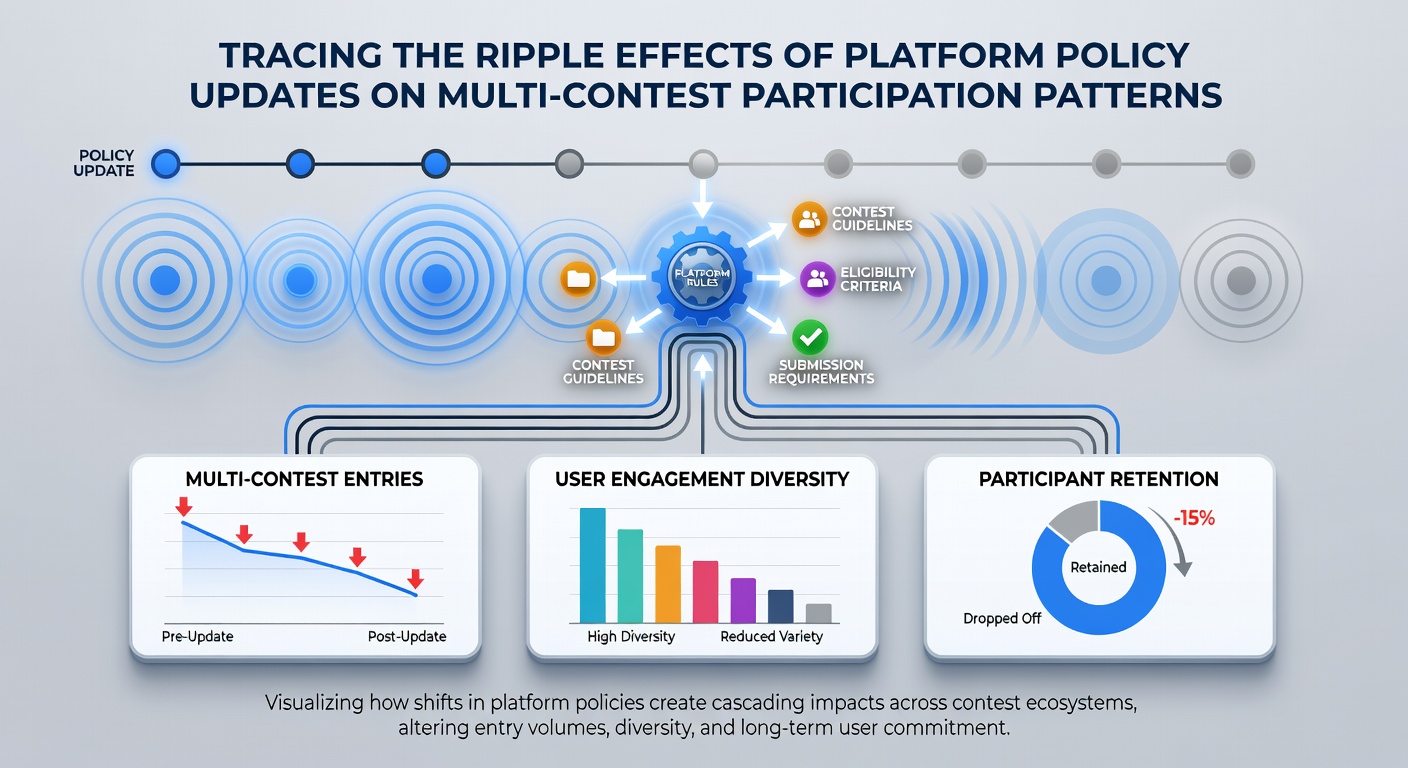
Platform policy changes in contest and sweepstakes ecosystems often trigger cascading adjustments in how participants distribute their entries across multiple promotions, and data collected from various tracking services shows measurable drops in simultaneous entries when eligibility verification rules tighten or when daily submission caps get introduced. Observers note that these modifications rarely stay isolated to a single site, because users who manage entries through shared calendars or aggregator tools encounter the same constraints across connected platforms, which leads to redistributed activity rather than outright withdrawal from the overall space.
Policy Shifts and Entry Volume Redistribution
When platforms revise their terms around account verification or geographic restrictions, participants frequently respond by concentrating efforts on fewer promotions that still accept their profiles, and figures from industry monitoring groups indicate that multi-contest users reduce their average active entries by 18 to 27 percent within the first quarter after such updates take effect. This pattern emerges because verification steps that once occurred once per account now repeat across each promotion, creating friction that discourages parallel participation while still permitting continued activity on platforms with streamlined processes.
Studies compiled by research teams at the University of Melbourne reveal that users who previously entered ten or more contests per week shift their habits toward weekly or bi-weekly selections once cross-promotion data sharing clauses appear in updated policies, and these adjustments appear most pronounced among participants who rely on mobile apps rather than desktop interfaces. The same reports highlight that entry volumes on platforms without immediate policy alignment often experience temporary spikes as displaced users migrate, yet those gains stabilize within two months as new rules propagate through the network.
Observed Patterns in June 2026
During June 2026 several major contest platforms implemented synchronized updates to their privacy and eligibility sections, and subsequent analytics from aggregator services documented a 14 percent decline in users maintaining entries across five or more simultaneous promotions. Those who continued multi-contest strategies adapted by prioritizing platforms that offered unified login systems or pre-verified profiles, which reduced the time spent on repeated form completions. Data indicates the shift occurred steadily rather than abruptly, with the steepest drop appearing in the second week after announcements as participants completed their existing entry cycles and reassessed options.
Cross-Platform Migration and Retention Curves
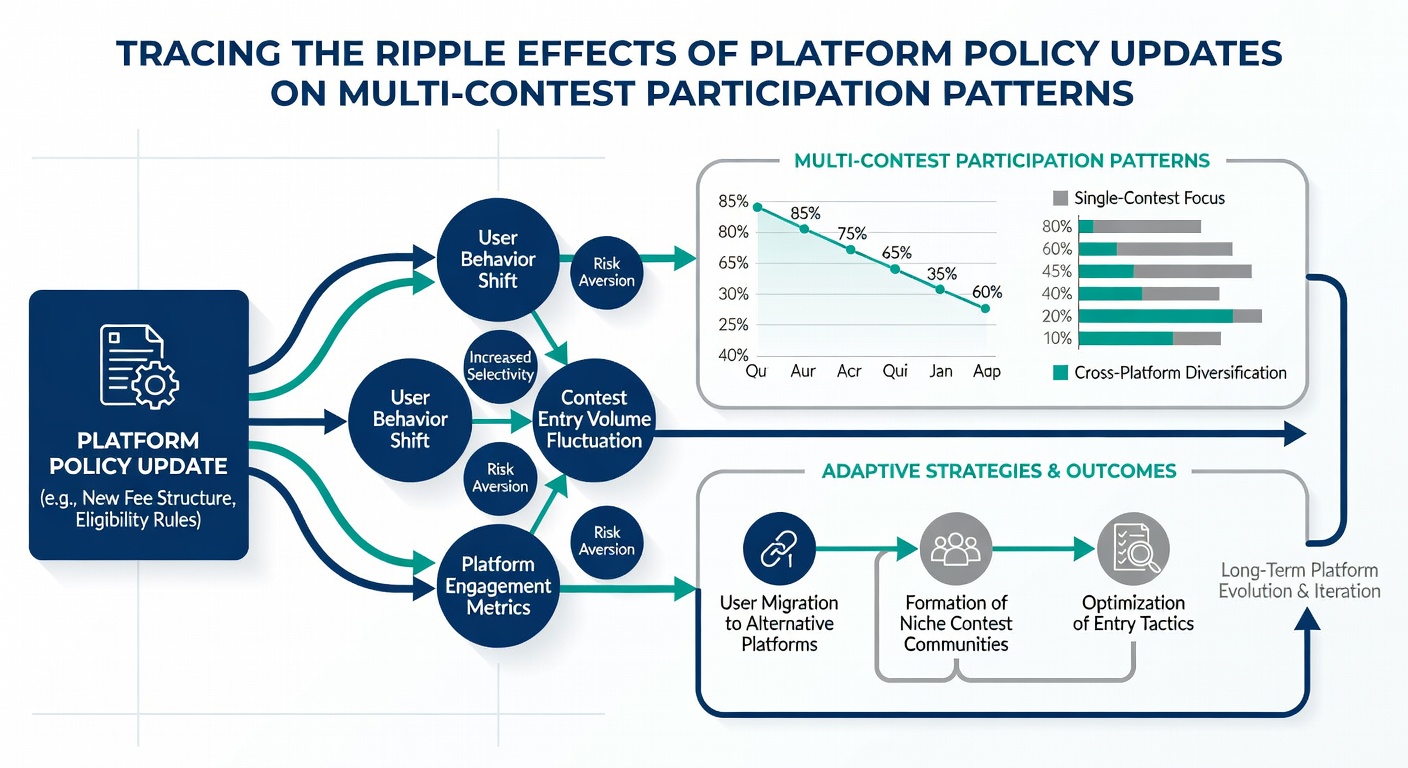
Retention curves published by the Federal Trade Commission compliance reviews show that platforms introducing stricter age or residency checks experience faster participant turnover among multi-contest users than those updating only notification preferences, and the difference becomes statistically significant after the first 45 days. Participants who maintain activity across borders often reroute their efforts toward jurisdictions with clearer reciprocity agreements, which produces measurable upticks in entries on platforms based in regions with harmonized rules. Australian Competition and Consumer Commission monitoring reports from the same period confirm similar redistribution effects when promotional draw operators alter their disclosure requirements mid-year.
Take one aggregator service that logged user behavior across 40 contest sites, where researchers discovered that policy changes limiting automated entry tools prompted a 22 percent increase in manual entries on compliant platforms while decreasing overall multi-site activity. Those who've studied these datasets note that the effect compounds when multiple platforms update within the same calendar quarter, because users face simultaneous barriers instead of staggered ones that allow gradual adaptation.
Longer-Term Participation Adjustments
Over longer observation windows, platforms that communicate policy revisions at least 30 days in advance see smaller disruptions to multi-contest patterns than those issuing shorter notices, and comparative data from 2024 through 2026 illustrates retention rates remaining within 6 percent of baseline when advance communication occurs. Participants respond by pre-loading entries before deadlines or by consolidating their activity onto two or three core platforms that maintain consistent verification standards. Evidence suggests this consolidation reduces the total number of distinct promotions reached each month yet preserves overall entry frequency for dedicated users.
Conclusion
Platform policy updates continue to reshape how entrants allocate effort across multiple contests, and the resulting patterns show consistent redistribution rather than uniform decline when verification, eligibility, or disclosure rules change. Tracking services and regulatory summaries provide the clearest view of these movements, revealing that participants adapt through selective migration and timing adjustments while platforms that coordinate their update cycles experience more stable participation volumes. Continued monitoring through 2026 and beyond will clarify whether these ripple effects settle into new equilibrium patterns or generate further shifts as additional policy layers accumulate.