Tracing Technological Advancements in Verification Systems and Their Effects on Cross-Platform Contest Accessibility
Zara Reed · Aug 23, 2026

Tracing Technological Advancements in Verification Systems and Their Effects on Cross-Platform Contest Accessibility
Verification systems have evolved rapidly over the past decade as contest organizers seek reliable methods to confirm participant eligibility while expanding reach across devices and operating systems, and this progression has reshaped how users interact with promotions on smartphones, tablets, desktops, and emerging platforms alike.
Early Digital Verification Approaches
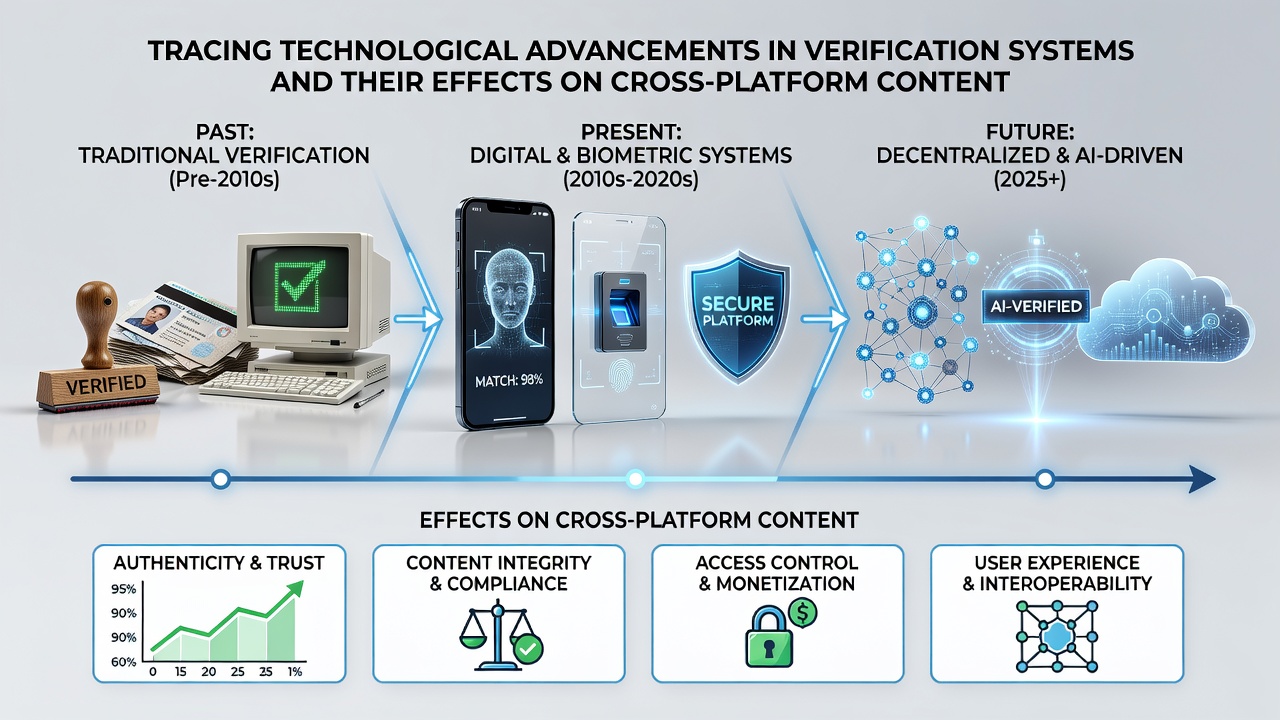
Initial systems relied on basic email confirmations and manual document uploads that often required users to switch between apps or browsers to complete entry steps, which created friction especially when participants attempted to join from mobile devices with limited screen space. Researchers at various academic institutions tracked these early limitations through usage logs that showed drop-off rates climbing sharply once verification moved beyond simple CAPTCHA checks.
By the mid-2010s many platforms integrated third-party identity services that pulled data from social media accounts or government databases, yet compatibility remained inconsistent across operating systems because iOS and Android handled permissions differently while older Windows versions struggled with newer API calls.
Biometric and AI-Driven Shifts
Advancements in facial recognition and fingerprint scanning entered contest verification around 2018, allowing quicker confirmations on smartphones that supported these features and reducing the need for separate uploads. Data from industry reports indicate that adoption of these tools increased entry completion rates by streamlining the process on compatible hardware while leaving users on legacy devices at a disadvantage until software updates caught up.
Artificial intelligence models began analyzing behavioral patterns such as typing speed and navigation habits to flag potential fraud without interrupting legitimate participants, and these systems improved accuracy across platforms because they operated through cloud processing rather than device-specific hardware. Observers note that by 2023 several major contest networks had adopted hybrid approaches combining biometrics with AI scoring to maintain security standards demanded by regulatory bodies in multiple regions.
Cross-Platform Compatibility Challenges and Solutions
Fragmentation across platforms created ongoing hurdles because verification protocols optimized for one ecosystem sometimes failed to load properly on another, leading organizers to develop unified APIs that detect device capabilities and adjust requirements accordingly. Studies from research centers in North America and Europe show that unified frameworks helped narrow access gaps, though full parity took several years as developers addressed edge cases on less common operating systems and browsers.
In August 2026 new interoperability standards are scheduled for rollout that build on existing web authentication protocols, and these updates aim to further reduce platform-specific barriers by enforcing consistent data handling across mobile, desktop, adn emerging connected devices. Government agencies in the United States and Canada have referenced similar technical guidelines in recent publications that encourage contest platforms to prioritize accessibility without compromising verification integrity.
Effects on Global Participation Patterns
Improved verification has expanded contest reach into regions where internet access occurs primarily through mobile networks, since lighter verification loads now function reliably on mid-range smartphones common in those markets. Figures from international trade associations reveal steady growth in cross-border entries following the introduction of region-aware verification that adjusts for local data privacy rules while maintaining core eligibility checks.
Yet participants in areas with intermittent connectivity still encounter interruptions when systems require real-time server validation, and developers continue refining offline caching options that allow partial verification before final submission. One analysis from an Australian research group highlighted how these refinements correlated with higher sustained participation rates among users who previously abandoned entries midway through the process.
Future Trajectory and Ongoing Adaptations
Emerging technologies such as decentralized identity frameworks are under testing for contest applications because they let users control which data elements are shared without repeated full disclosures. Early trials conducted by academic teams demonstrate reduced verification times across platforms while preserving compliance with varying international regulations.
Platform operators are also exploring integration with hardware security modules built into newer devices, which promises stronger fraud prevention that scales uniformly regardless of the operating system in use. Those who monitor these developments report that continued collaboration between technology providers and contest organizers will determine how evenly accessibility benefits distribute in coming years.
Conclusion
Technological progress in verification has steadily lowered barriers for many users while introducing new considerations around device compatibility and regional standards, and the trajectory points toward more seamless cross-platform experiences as standards mature. The cumulative effect appears in broader participation metrics that reflect both expanded access and persistent gaps tied to hardware availability.