Tracing Device Preference Shifts and Their Link to Entry Completion in Promotion Cycles
Noah Vogel · Jun 14, 2026
Tracing Device Preference Shifts and Their Link to Entry Completion in Promotion Cycles
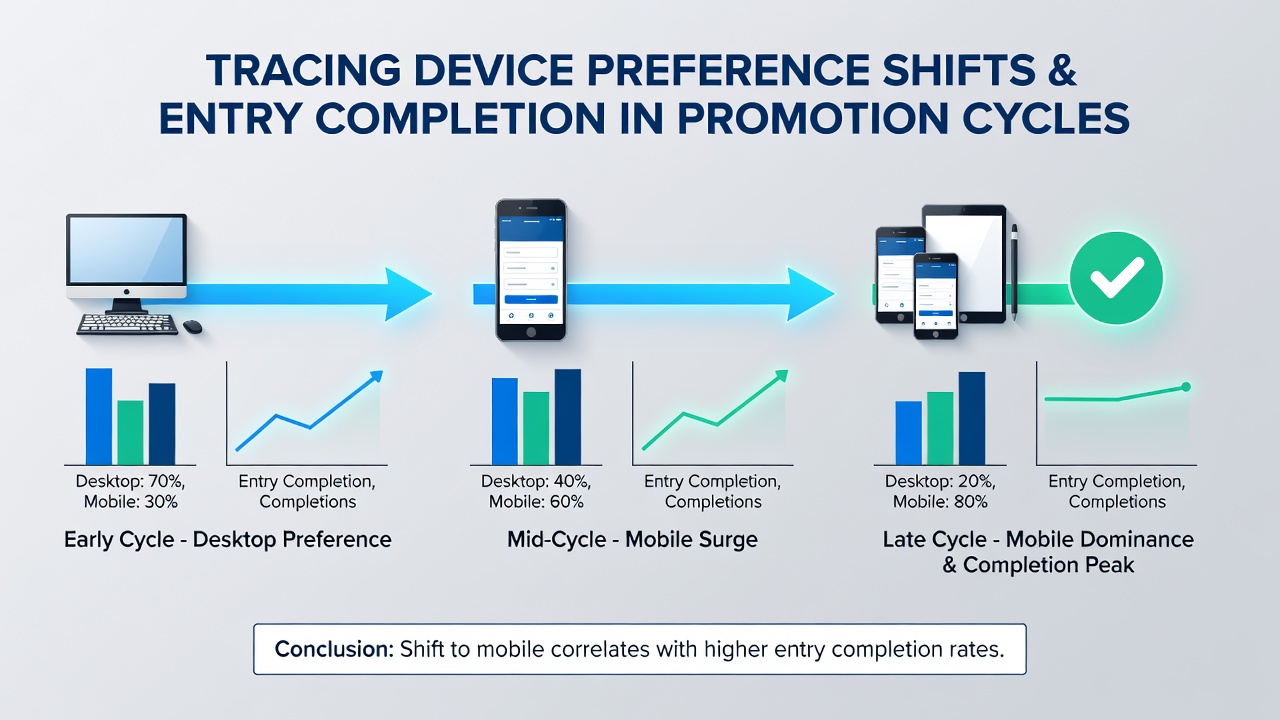
Device usage patterns in online promotions have evolved steadily over recent years with mobile devices taking a larger share of entry activity while desktop and tablet participation shows corresponding adjustments according to multiple tracking studies. Researchers tracking these movements note that entry completion rates often align with the device chosen at the start of the submission process particularly when forms require multiple steps or additional verification layers.
Observed Shifts in Device Selection
Analytics from promotion platforms indicate that mobile access now accounts for the majority of initial entries in recurring prize cycles whereas desktop usage tends to cluster around more complex submissions that involve document uploads or account linking. Data compiled through mid-2025 reveals a consistent 12 to 15 percent annual increase in smartphone-based entries across daily and weekly draws with tablet figures remaining relatively stable at lower single-digit percentages. Those who monitor these platforms point out that operating system updates and browser compatibility improvements have contributed to smoother mobile experiences although certain regional networks still report occasional friction when promotional pages fail to render properly on older devices.
Promotion organizers have adjusted their registration interfaces in response to these patterns with many implementing responsive designs that adapt automatically to screen size. In June 2026 several large-scale campaigns are scheduled to launch with enhanced mobile-first templates after earlier tests showed higher completion percentages when participants began the process on handheld devices rather than switching midstream. Observers note that seasonal timing plays a role here because summer months often coincide with increased mobile browsing during travel or outdoor activities which can influence when users choose to engage with contest forms.
Connections Between Device Choice and Completion Rates
Studies examining entry funnels demonstrate that participants who start on mobile devices complete submissions at rates that differ from desktop starters depending on form length and required fields. Shorter daily draw entries frequently see higher mobile finish rates while multi-page applications that request additional personal details or payment verification show stronger desktop retention. Researchers tracking these outcomes across multiple platforms have identified that interruptions such as incoming calls or app switches contribute to abandoned mobile sessions whereas desktop environments tend to support longer uninterrupted focus periods.
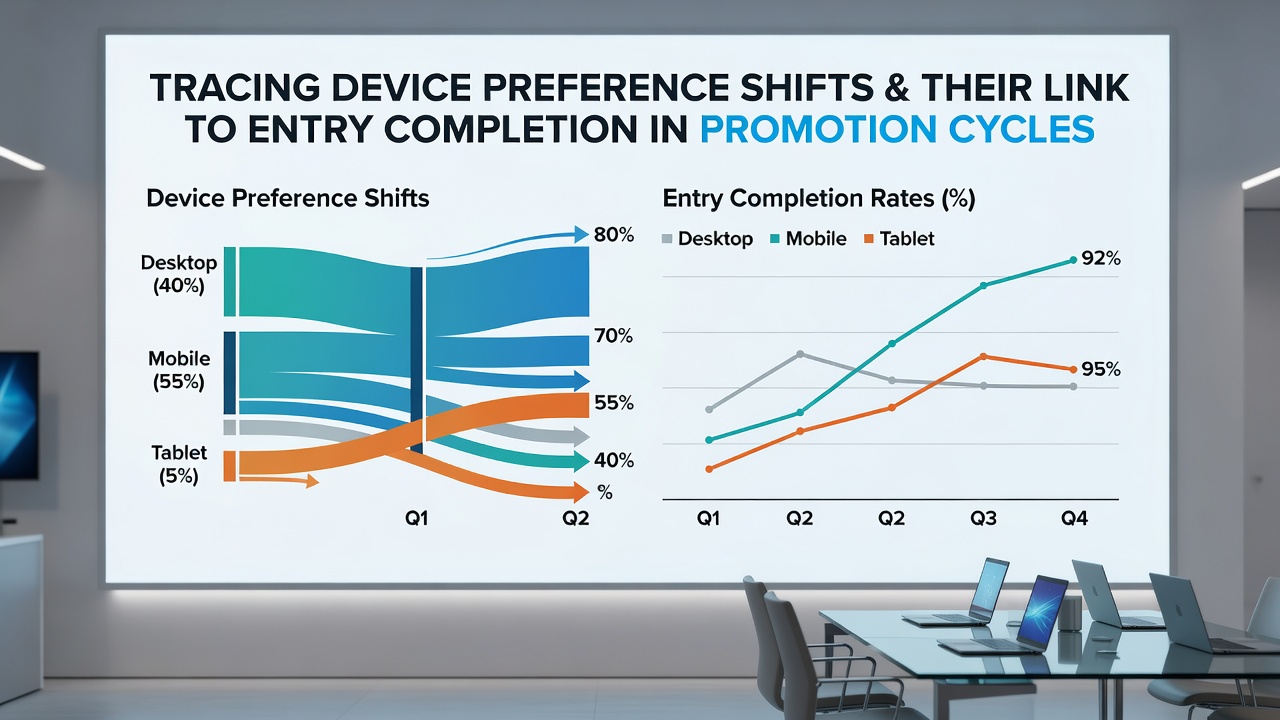
Platform operators report that push notification reminders sent to mobile users can recover some of the lost completions although effectiveness varies by demographic and time of day. One analysis covering entries from 2024 through early 2026 found that users who received a single follow-up prompt within two hours of starting an entry on a smartphone finished the process 18 percent more often than those who received no reminder. Desktop users showed smaller gains from similar prompts suggesting the device context itself influences how participants respond to re-engagement efforts.
Impact Across Different Promotion Frequencies
Daily draw promotions exhibit distinct device dynamics compared with weekly or monthly cycles because the shorter time windows encourage quicker mobile submissions while longer cycles allow participants more opportunity to switch devices if initial attempts stall. Data aggregated from international networks shows that cross-border entrants often default to mobile due to travel or limited access to stationary computers yet completion rates can drop when local network conditions or data caps interfere with form loading. Regulatory filings from agencies such as the Australian Competition and Consumer Commission have documented these variations in consumer complaint patterns related to promotional access.
Additional research from academic sources including reports issued through Pew Research Center tracks broader digital engagement trends that promotion managers reference when designing entry systems. These patterns suggest that device preference does not remain fixed throughout a single campaign cycle and many participants experiment with different hardware as they gain familiarity with recurring events.
Future Considerations for Promotion Design
Looking ahead to June 2026 and beyond analysts expect continued refinement of entry interfaces to accommodate mixed-device journeys where users begin on one platform and finish on another. Some networks have begun testing unified session tracking that preserves progress across device switches which preliminary results indicate can lift overall completion figures. Observers tracking these developments emphasize the importance of maintaining consistent security protocols regardless of hardware because verification steps remain a common point where entries are abandoned.
Those who study promotion ecosystems continue to collect granular data on device-specific behaviors to identify where small design tweaks produce measurable improvements in submission success. The relationship between preference shifts and completion outcomes appears to strengthen as more campaigns adopt adaptive technology yet the underlying factors such as user habits and technical infrastructure continue to evolve alongside broader digital trends.
Conclusion
Device preference patterns in promotion cycles reflect ongoing changes in consumer technology access and interface design with direct implications for how entries move from initiation to final submission. Tracking these movements provides promotion operators and participants with clearer insights into where adjustments can support higher completion across varied campaign structures. Continued monitoring through 2026 will likely reveal additional correlations as new devices and connectivity options enter the market.