Tracing Connections Between Browser Cookie Policies and Retention Rates in Multi-Platform Contest Ecosystems
Parker Flores · Jul 16, 2026
Tracing Connections Between Browser Cookie Policies and Retention Rates in Multi-Platform Contest Ecosystems
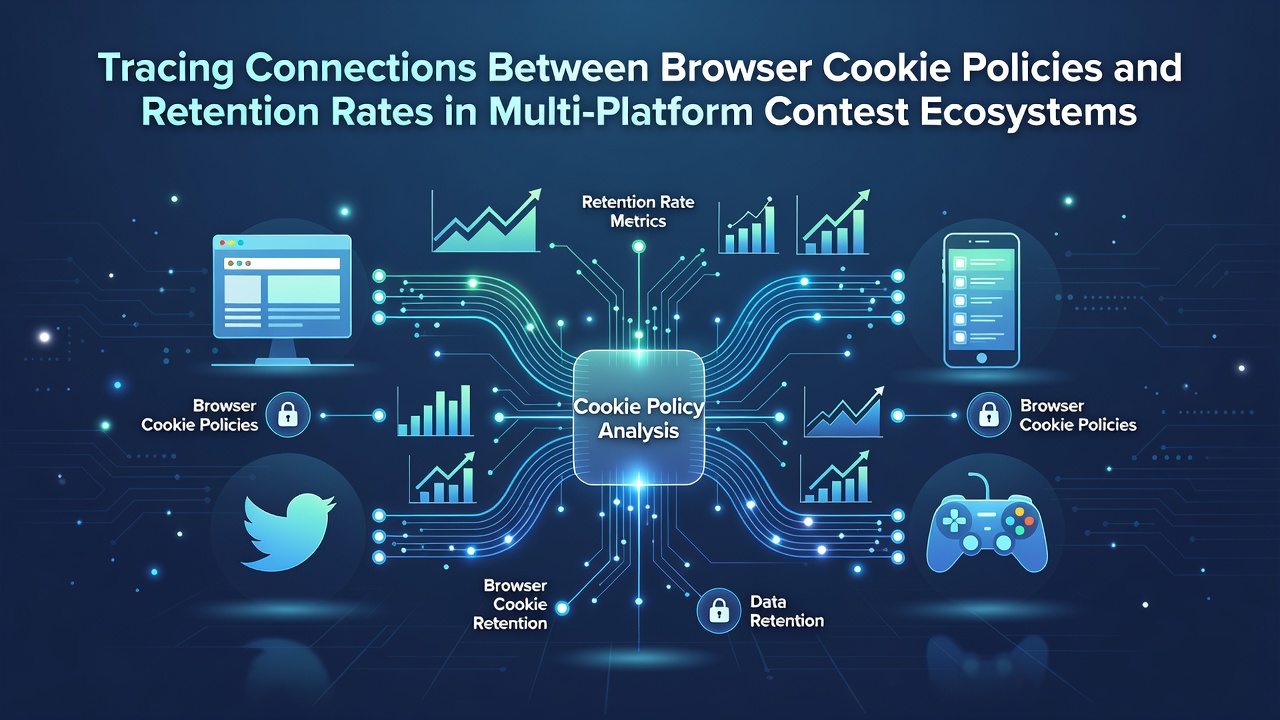
Browser cookie policies shape how contest platforms track user activity across websites, mobile apps, and social media integrations, which in turn influences retention rates in ecosystems that host daily draws, weekly prize events, and recurring promotions. Data from privacy compliance reports indicate that restrictions on third-party cookies reduce the ability of these platforms to maintain persistent user profiles, leading to measurable drops in return visits when participants switch between devices or accounts.
Browser Cookie Frameworks and Their Direct Effects on Contest Tracking
Modern cookie regulations require explicit consent for non-essential tracking mechanisms, and platforms operating multi-contest networks must adjust their data collection accordingly. Observers note that when browsers enforce stricter defaults, such as blocking cross-site cookies by default, contest operators lose visibility into repeat entries from the same user across different domains. This shift became more pronounced as major browsers completed their third-party cookie phase-outs, with full implementation timelines extending into mid-2026.
Research from privacy advocacy groups shows that contest sites relying on cookies for session continuity experience higher bounce rates after policy updates take effect. For instance, users who grant consent on one platform often fail to replicate those settings when accessing linked promotions through social channels, resulting in fragmented participation histories that platforms cannot easily reconnect.
Retention Patterns Across Device and Platform Boundaries
Multi-platform contest ecosystems depend on consistent user identification to sustain engagement levels, yet cookie limitations disrupt this process at several points. Studies conducted by academic researchers at institutions focused on digital behavior reveal that retention curves flatten when participants encounter repeated consent prompts during cross-device transitions. Those who study these patterns report that platforms using first-party cookies and server-side storage maintain steadier return rates compared to those dependent on third-party solutions.
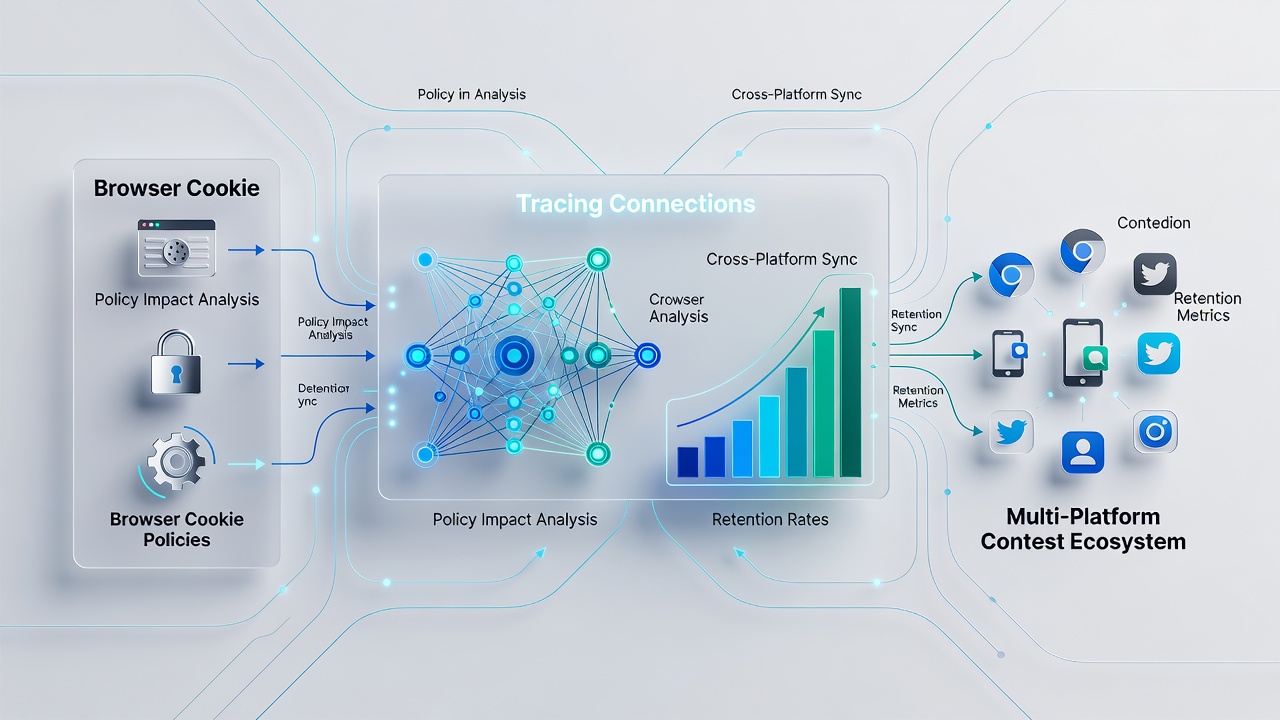
Figures from industry analyses indicate that ecosystems integrating contest calendars across web portals, dedicated apps, and referral programs see retention declines of up to 18 percent in regions with stringent consent requirements. People who participate in recurring draws often abandon sequences when cookie resets erase progress indicators, such as entry counts or notification preferences, forcing them to re-enter details on each new session.
Policy Shifts and Their Ripple Effects Through July 2026
Regulatory developments scheduled around July 2026 emphasize enhanced user controls over data persistence, which contest operators must accommodate through updated consent architectures. Government agencies in multiple jurisdictions, including the Office of the Privacy Commissioner of Canada, have issued guidance requiring clearer disclosures about how cookie data supports promotional tracking. These requirements align with broader international efforts to standardize data practices across borders, affecting how platforms synchronize eligibility checks and prize notifications.
According to reports compiled by the International Association of Privacy Professionals, contest networks that adapt by implementing privacy-preserving technologies, such as aggregated analytics without individual identifiers, demonstrate more stable retention metrics. Data collected after similar policy rollouts in prior years shows that proactive adjustments reduce the friction that otherwise leads participants to disengage from multi-platform entry routines.
Case Examples from Established Contest Networks
Take one network that coordinates daily and weekly promotions across regional sites. After adopting consent management platforms aligned with updated browser standards, the operator recorded sustained access rates among users who maintained profiles through verified accounts rather than anonymous sessions. Another example involves platforms that link contest registrations to email-based verification systems, bypassing cookie dependencies entirely and preserving participation streaks even when users clear browser storage.
What's notable is how these adaptations interact with timezone alignments and global event calendars, where consistent tracking supports equitable access during peak registration windows. Research indicates that networks failing to evolve their cookie strategies encounter steeper drop-offs when users encounter mismatched settings between desktop and mobile environments.
Conclusion
Connections between browser cookie policies and retention rates in multi-platform contest ecosystems emerge through measurable changes in user tracking capabilities and session continuity. Evidence from regulatory updates and platform performance data demonstrates that first-party approaches and alternative identification methods support steadier participation patterns. As requirements evolve through 2026, contest operators continue to refine their systems to maintain engagement without relying on restricted tracking techniques.