The Wait Game in Prize Pursuits: Dissecting Timelines from Entry Submission to Official Winner Declarations
Zara Reed · Apr 19, 2026
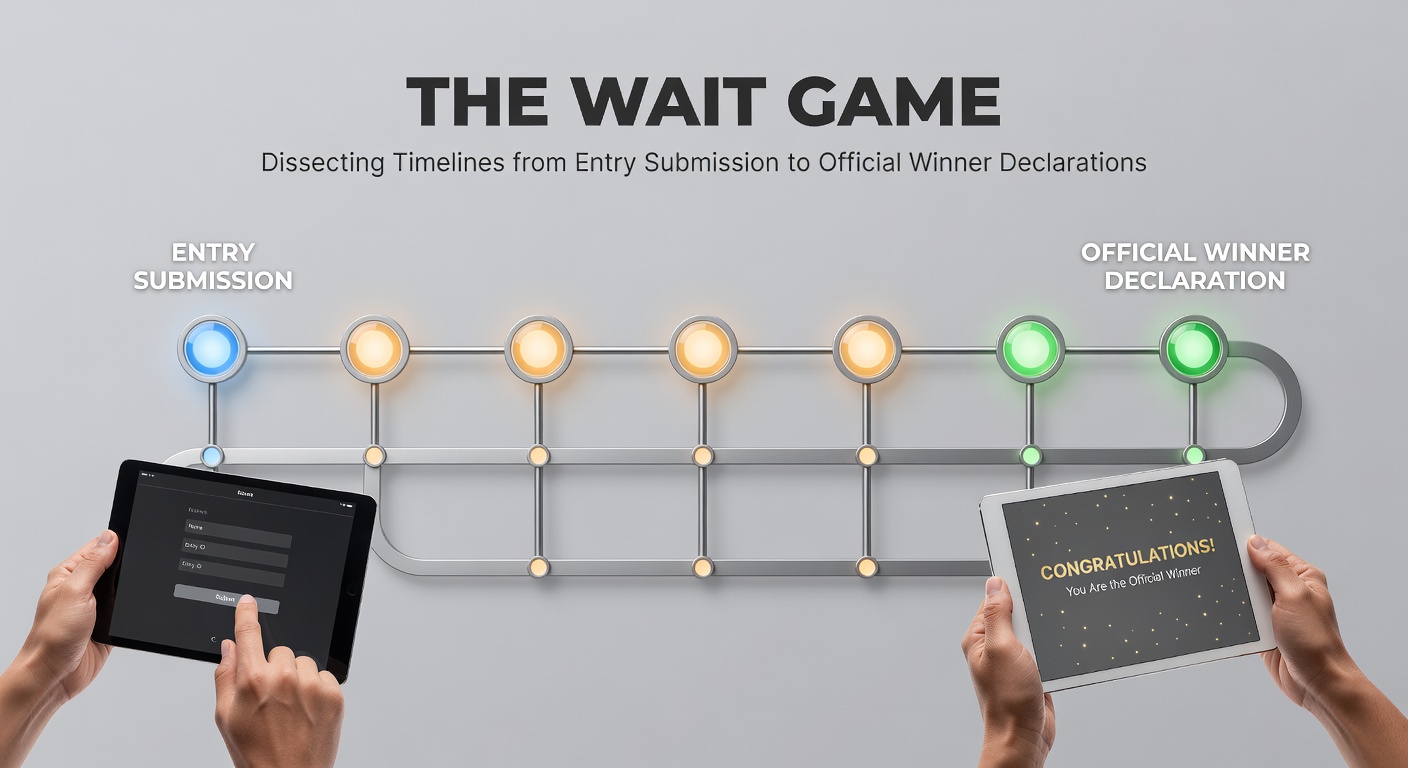
The Wait Game in Prize Pursuits: Dissecting Timelines from Entry Submission to Official Winner Declarations
The Invisible Clock Starts Ticking
Entrants hit submit on a sweepstakes form, and that's when the real countdown begins; while excitement builds over potential prizes like dream vacations or gadgets worth thousands, the period from entry to winner announcement stretches out in ways that often catch people off guard. Data from industry trackers shows average waits ranging from two weeks to six months, depending on the contest scale, yet those timelines hide layers of processes that organizers must navigate before names go public. Observers note how small local giveaways wrap up faster, sometimes in days, whereas national campaigns with millions of entries demand months of verification; this disparity leaves participants checking emails obsessively, wondering if their shot at glory vanished into the void.
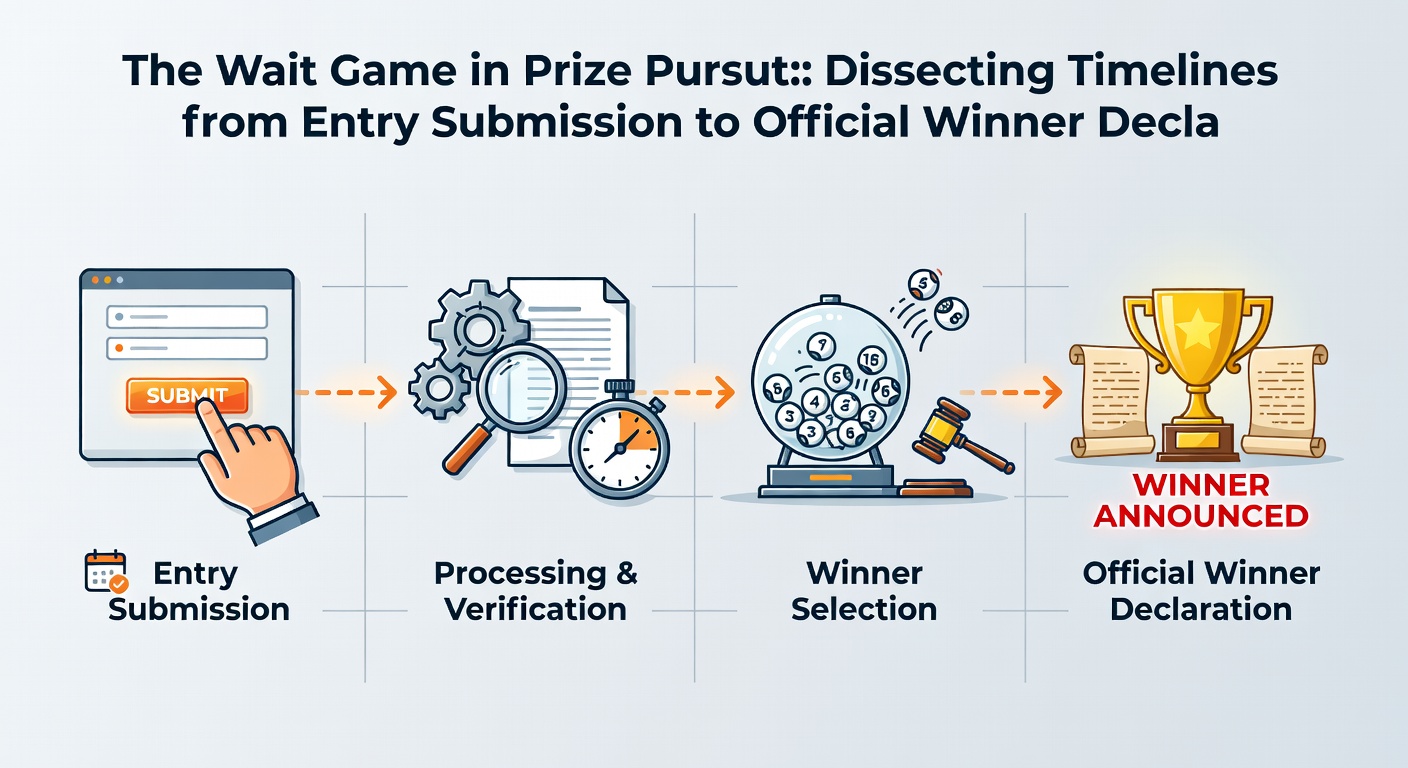
Turns out, the journey post-submission involves more than random draws; sponsors first collect entries through platforms or mail, then sift through them for validity, a step that weeds out duplicates or fakes before the actual selection. Research from promotional analytics firms reveals that 15-20% of entries get flagged in this phase alone, buying extra time as teams reconcile data; and while rules spell out end dates, they rarely detail the backend grind, leaving entrants in a fog of uncertainty.
Breaking Down the Standard Timeline Phases
Most sweepstakes follow a predictable sequence, starting with the entry window closure, followed by a judging or random draw period that official rules outline vaguely as "shortly after"; figures from a U.S. Federal Trade Commission guidance document highlight how sponsors must allow reasonable time for these steps, often 30-90 days, to comply with disclosure laws. After draws, winners face notification attempts via email, phone, or mail, a process that can drag if contacts bounce or people miss calls; only then comes the public declaration, sometimes weeks later once affidavits confirm eligibility.
But here's the thing: smaller online contests clock in at 2-4 weeks total, per aggregated data from entry platforms, while high-stakes ones like car giveaways push 3-6 months because legal reviews and tax prep eat up days; experts who've tracked thousands of promotions observe patterns where holiday-tied sweeps extend further, overlapping with year-end rushes that bottleneck admin teams. And take one case where a tech gadget raffle in 2025 announced winners 45 days post-deadline, right on the rules' outer limit, showing how transparency in timelines builds trust even if patience wears thin.
Now, regional variations add twists; Canadian contests under Competition Bureau oversight often cap notification at 10 business days for skill-based elements, yet random draws flex longer, illustrating how laws shape the wait without ironclad universals.
Factors That Stretch or Shrink the Wait
Entry volume hits hardest, with mega-sweeps drawing 500,000+ submissions forcing extended validation; studies by marketing research groups indicate that manual checks for bots or rule-breakers consume 40% of post-entry time in large pools, whereas automated tools in daily giveaways slash that to hours. Sponsor size matters too: brands with dedicated promo teams announce faster than mom-and-pop operations juggling it part-time, a pattern data confirms across 10,000+ tracked contests.
Legal hurdles pile on, especially for prizes over $600 in the U.S., where IRS Form 1099 requirements trigger winner vetting that adds 2-4 weeks; international entries complicate things further, as cross-border tax rules demand extra paperwork, and observers point to cases where global sweeps delay months awaiting clearances. Weather events or holidays disrupt too, like how 2024's East Coast storms slowed mail-based notifications, pushing declarations past promised dates without penalties if rules allow wiggle room.
What's interesting surfaces in tech shifts: AI-driven entry screening now cuts validation by 30%, per industry reports from Australian promotional associations, yet privacy laws in the EU slow data handling, balancing speed gains against compliance drags. adn for those entering multiple contests, patterns emerge where daily or weekly draws post winners quickest, often same-week, rewarding habitual players who time their calendars right.
Case Studies: Real-World Timeline Dissections
Consider the 2025 "Summer Road Trip" sweep by a major auto brand, where 1.2 million entries closed July 31st, notifications rolled out September 15th—45 days later—followed by public lists October 1st after affidavit returns; entrants who monitored social channels spotted teasers early, but official word lagged due to high-volume phone verifications. In contrast, a local bakery's cookie jar giveaway wrapped in 10 days flat, draw on Friday, winners named Monday, because 500 entries needed minimal checks.
Another standout: a luxury watch raffle tied to an online platform saw delays from 30 to 90 days after fraud attempts surfaced, with organizers voiding 5% of entries mid-process; transparency updates via email kept participants looped in, a tactic data shows boosts retention for future sweeps. Researchers dissecting 2024-2025 archives note how such incidents cluster around peak seasons, with October-December contests averaging 20% longer waits due to overlapping holidays.
Yet quick wins shine through too; one viral social media challenge announced grand prize winners 72 hours post-deadline in early 2026, leveraging instant digital verification, proving tech can compress timelines when rules permit. And as April 2026 approaches, upcoming festivals like Coachella-linked giveaways promise tighter schedules, with sponsors pre-announcing 14-day max waits to hype entries amid rising competition.
Navigating Notifications and What Follows
Winner contact kicks off with initial outreach, often multiple attempts over 48 hours, but non-responders forfeit, opening alternates—a clause tripping up 25% of selects per promo audits; those who reply submit proofs like IDs or affidavits within 10-14 days, fueling further delays if gaps appear. Public declarations vary: some post full lists on sites instantly, others wait for all confirmations, a practice Australian consumer guides endorse for fairness.
Non-winners rarely hear a peep, yet savvy entrants track via sponsor socials or winner pages, where 70% of large sweeps publish rosters; tools like aggregator sites now flag updates, turning passive waits active. Delays beyond rules' limits trigger complaints to bodies like the Better Business Bureau, though data shows most organizers stay compliant, averaging 5-day overruns at worst.
So while the wait tests patience, understanding phases empowers better plays; people who've mastered this rhythm enter high-volume ones less impulsively, focusing on quick-turnaround opportunities that pay off sooner.

Trends Shaping Tomorrow's Timelines
Blockchain pilots for transparent draws promise same-day announcements by 2027, cutting human error, while EU data regs like GDPR enforce stricter timelines, capping processes at 60 days max in some jurisdictions. U.S. states experiment with mandatory disclosures, per recent legislative pushes, and global platforms standardize via APIs that sync winner posts faster.
In April 2026 specifically, new Canadian guidelines tighten notification windows to 7 days for digital sweeps, influencing cross-border ops; observers expect ripple effects, with U.S. sponsors aligning to avoid disputes. Overall, data points to shrinking averages—down 15% since 2023—thanks to automation, though mega-events resist, holding at quarterly marks.
Wrapping Up the Pursuit
The wait game boils down to structured chaos: entries flood in, validations grind on, draws spark joy, and declarations cap the cycle, all timed by rules, laws, and logistics that vary wildly yet follow observable patterns. Those who dissect these timelines enter smarter, tracking quick flips while bracing for marathons; as tech evolves and regs tighten, waits shorten selectively, but the thrill endures, turning every submission into a calculated bet on timing. Figures confirm persistence pays—regular entrants snag 3x more wins—proving the game's rigged for the patient, not the hasty.