The Role of Email Deliverability Rates in Sustaining Engagement for Periodic Drawing Announcements
Zara Klein · Jul 21, 2026
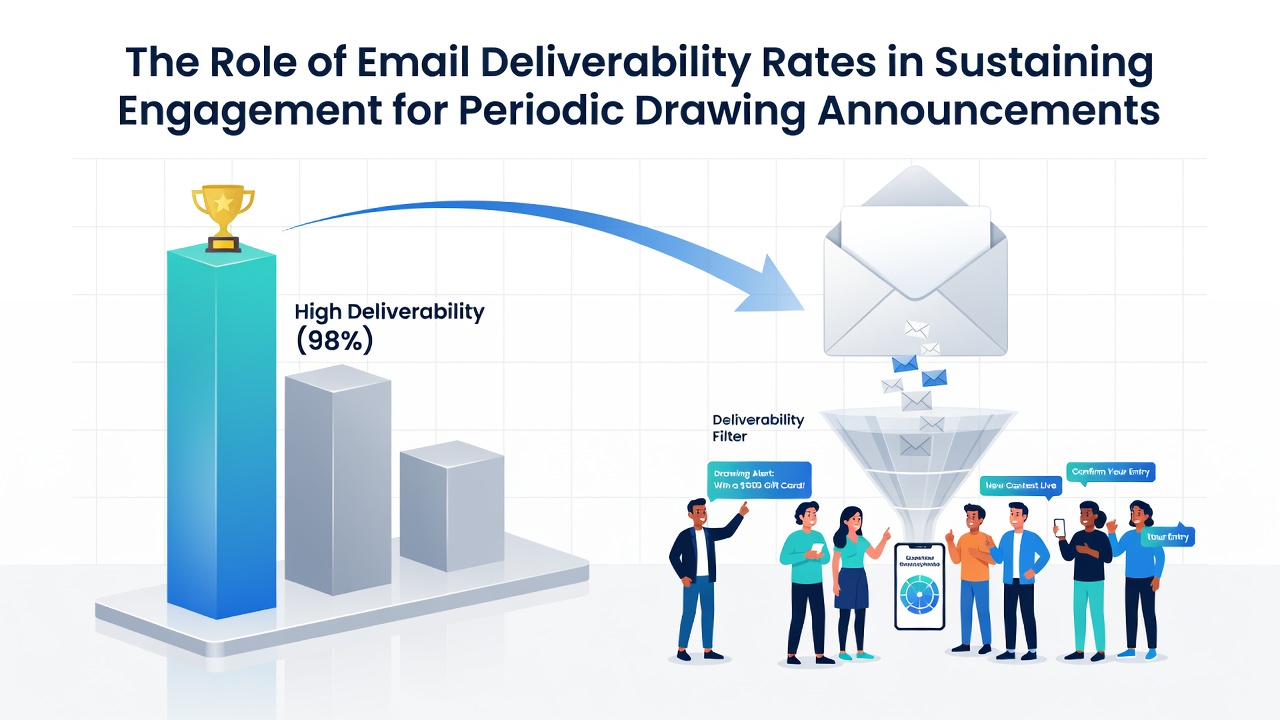
The Role of Email Deliverability Rates in Sustaining Engagement for Periodic Drawing Announcements
Periodic drawing announcements depend on consistent email delivery to maintain participant involvement across recurring prize events. Observers note that deliverability rates determine whether notifications reach inboxes or land in spam folders, directly shaping how many people stay engaged with ongoing contests. Research indicates that when emails fail to arrive, entry volumes drop in subsequent cycles because recipients miss deadlines and winner selections.
Defining Deliverability Metrics in Promotional Contexts
Email deliverability measures the percentage of messages that arrive in primary inboxes rather than spam or bounce entirely. Data from industry reports shows average rates hover between 85 and 95 percent for legitimate promotional senders, yet figures reveal that contest organizers often see lower placement when subject lines trigger filters. Those who track these metrics across multiple campaigns find that even a 5 percent decline correlates with measurable reductions in open rates for weekly or monthly draws.
Senders monitor hard bounces, soft bounces, and spam complaints as core indicators. According to compliance guides issued by the Federal Trade Commission, adherence to rules like the CAN-SPAM Act helps sustain higher placement by requiring accurate sender identification and easy unsubscribe options. In July 2026, updated filtering algorithms from major providers began emphasizing sender reputation scores, which incorporate past complaint volumes from contest participants.
Connections Between Delivery Success and Sustained Participation
Studies from marketing research firms demonstrate that participants who receive timely drawing results maintain higher entry frequencies in follow-up promotions. When deliverability slips, those same individuals show decreased interaction because they lose visibility into announcement schedules. One analysis of multi-month campaigns found that organizers maintaining above 92 percent inbox placement retained 18 percent more active entrants compared with lower-performing peers.
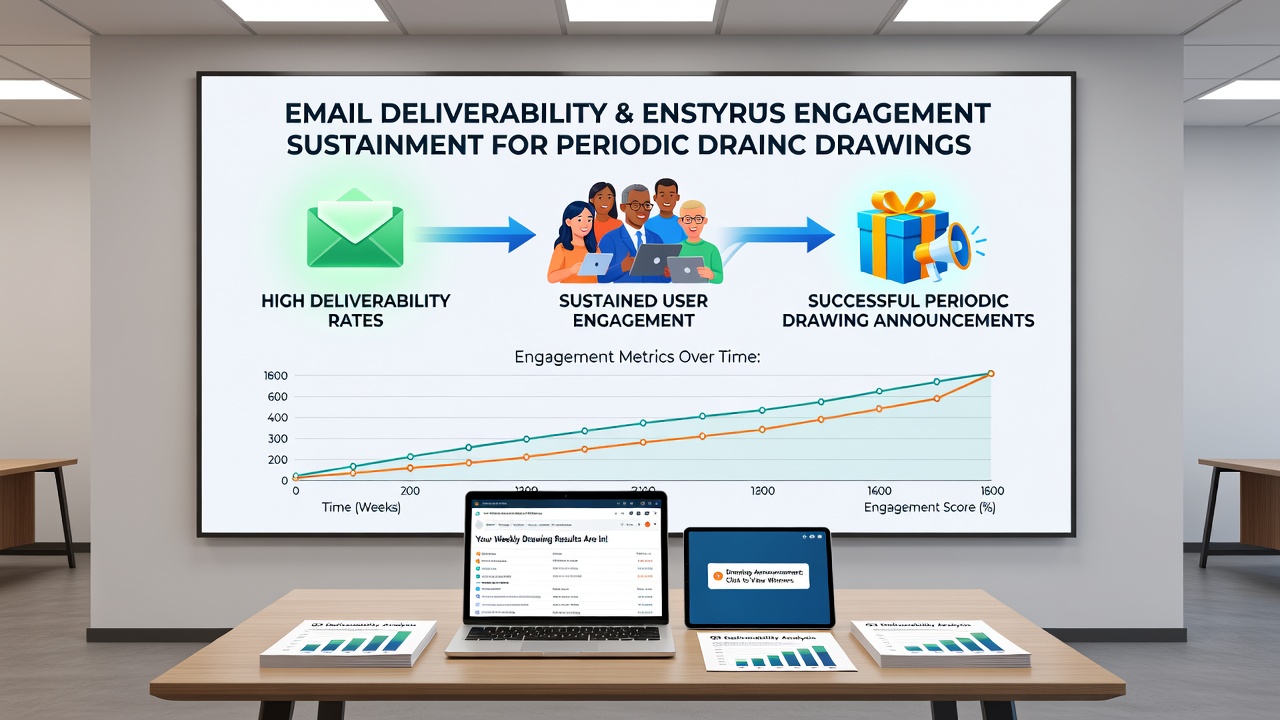
Engagement metrics include open rates, click-throughs on entry links, and subsequent submissions. Researchers discovered that a single missed announcement due to poor delivery can reduce repeat participation by up to 12 percent in the next period. Observers tracking global networks note similar patterns across regions where timezone differences already complicate timing, making reliable delivery even more critical for equitable access.
Technical and Content Factors Affecting Rates
Authentication protocols such as SPF, DKIM, and DMARC play central roles in convincing providers to route messages to inboxes. Those who implement these standards report steadier performance when sending periodic updates about prize selections. Content elements also matter because subject lines containing words like "winner" or "prize" sometimes activate filters, while balanced phrasing combined with personalized data fields tends to improve placement.
List hygiene practices further influence outcomes. Regular removal of inactive addresses prevents spam trap hits that drag down overall scores. Australian Competition and Consumer Commission guidelines on electronic messaging emphasize consent verification as a foundation for maintaining clean lists that support long-term promotional outreach.
Observed Patterns Across Recurring Campaigns
Take one organizer who noticed inbox placement falling during a six-week daily draw series. After auditing authentication records and adjusting send times, the team recorded a rebound in open rates that stabilized entry numbers through the remaining periods. Similar adjustments appear in reports where segmentation by engagement history helped isolate high-value recipients and protect their delivery paths.
Platform policy shifts also create ripple effects. When email providers tighten rules on bulk senders, contest networks experience temporary dips until compliance catches up. Data collected in 2025 and carried into 2026 shows that proactive monitoring reduced such disruptions for operators who aligned their announcement cadences with updated provider thresholds.
Conclusion
Deliverability rates serve as a measurable driver of ongoing involvement in periodic drawing systems. Evidence from regulatory sources and campaign analyses indicates that consistent inbox placement supports higher retention of entrants across multiple cycles. Organizers who prioritize authentication, list maintenance, and content testing see measurable stability in participation levels, while those who overlook these elements encounter progressive declines in engagement tied directly to missed communications.