Synchronizing Device Compatibility Checks with Platform Requirement Shifts Across Recurring Prize Events
Zara Reed · May 26, 2026
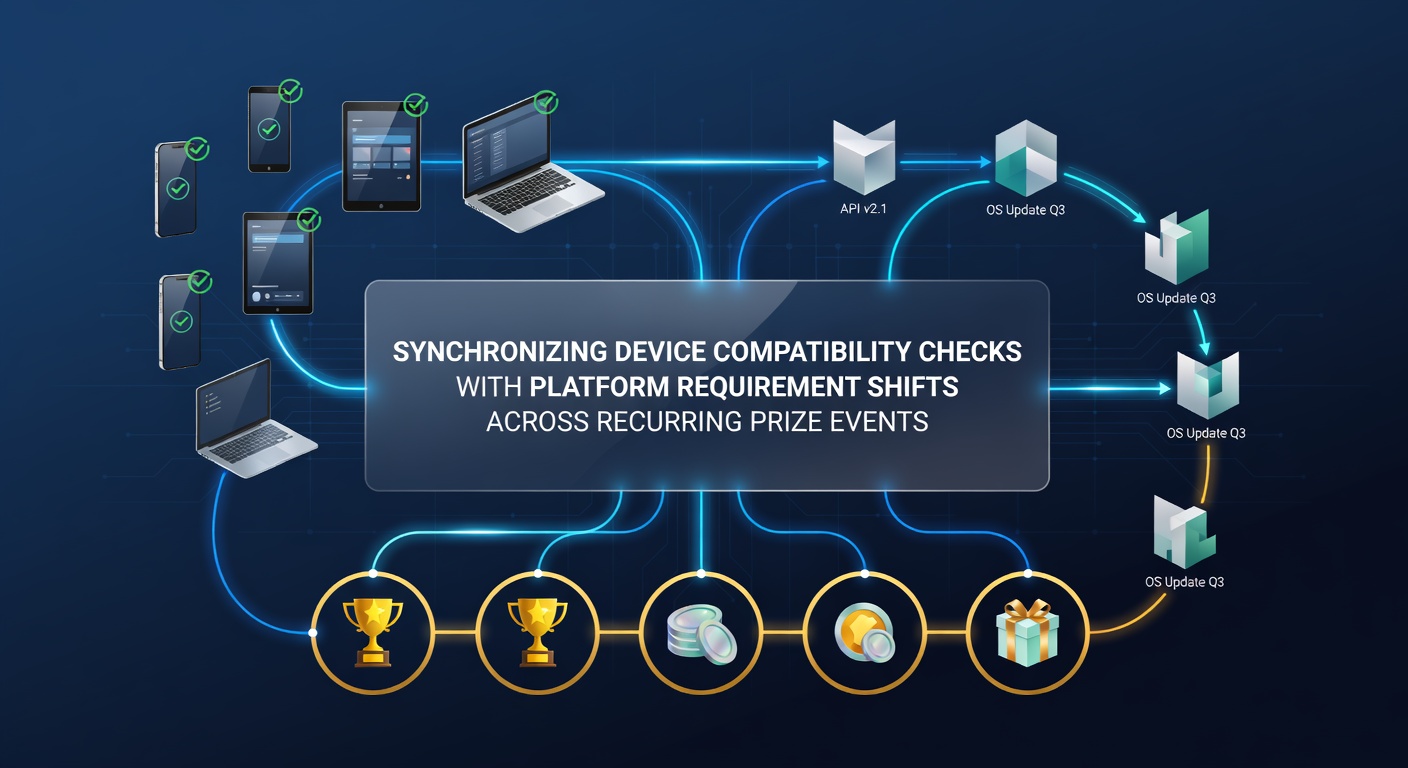
Synchronizing Device Compatibility Checks with Platform Requirement Shifts Across Recurring Prize Events
Contest platforms that run daily and weekly prize events face ongoing pressure to update their technical requirements, and those shifts demand coordinated device compatibility verification to keep entry systems functional. Organizers track changes in operating systems, browser standards, and security protocols that directly affect how participants submit entries across recurring promotions.Understanding Platform Requirement Shifts
Platform providers release updates that alter supported browsers, enforce new encryption standards, and modify mobile app frameworks several times each year. These modifications appear in major releases such as iOS version increments and Android security patches, which force contest sites to revise entry forms and verification scripts. Data from industry reports shows that failure to align device checks with these updates leads to entry failures that affect thousands of attempts per event cycle.
Recurring prize events amplify the issue because daily draws and weekly contests run on continuous schedules. A single incompatibility can block participants using older smartphones or specific tablet configurations from completing registration steps on time. Observers note that platforms maintain detailed logs of device types during entry periods to identify patterns of failed submissions tied to outdated software versions.
Methods for Synchronizing Compatibility Checks
Automated testing frameworks allow organizers to run device simulations against updated platform specifications before each promotion cycle begins. These systems compare current entry page code with lists of approved operating systems and browsers supplied by platform vendors. Teams schedule verification runs 48 hours before announcement cycles to catch discrepancies introduced by recent patches.
Manual audits supplement automation when platforms introduce experimental features such as progressive web app enhancements or new authentication protocols. Staff members test entry flows on physical devices that represent common user configurations while documenting any rendering issues or form submission errors. This dual approach reduces the risk of widespread access problems during high-volume periods.
Impact of Timing on Recurring Events
May 2026 brings scheduled updates from major mobile providers that will change API access rules for third-party contest applications. Platforms running recurring prize events have begun mapping these changes against their device databases to adjust compatibility lists ahead of the rollout. Research indicates that advance coordination prevents participation drops of up to 15 percent during the transition window.
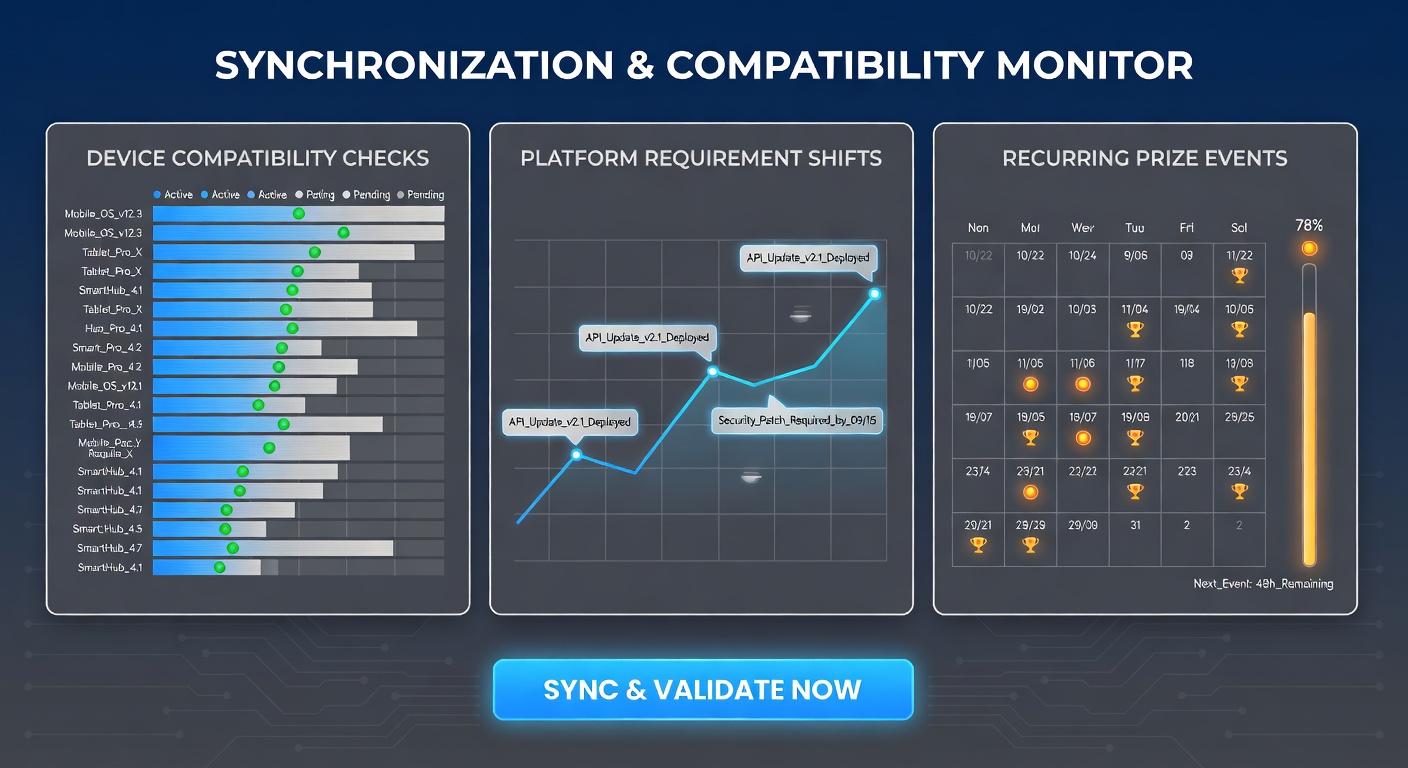
Entry windows for daily draws leave little room for post-update troubleshooting. Participants who encounter compatibility blocks often miss submission deadlines, which reduces overall engagement metrics tracked by promotion managers. Those who study entry patterns report that synchronized checks maintain consistent qualification rates across different device categories throughout extended campaign periods.
Regulatory and Technical Considerations
Agencies such as the Federal Trade Commission outline rules that require clear disclosure of technical requirements in contest terms. Platforms must update these disclosures when device support changes to avoid misleading participants about eligibility. European regulators through the European Commission emphasize similar transparency standards for cross-border promotions that accept entries from multiple device ecosystems.
Technical teams integrate compatibility matrices into their content management systems so that requirement shifts trigger automatic alerts. These matrices list minimum operating system versions, supported screen resolutions, and required plugin versions for each recurring event type. Regular synchronization between the matrix and live testing environments ensures that new restrictions appear in participant instructions before they cause widespread entry issues.
Case Examples from Ongoing Campaigns
One platform running weekly prize giveaways adjusted its mobile entry process after an Android security update altered cookie handling rules. The change required a revised compatibility check that flagged devices running versions below 12.0 and prompted users to update before attempting submission. Participation data recovered within two cycles once the updated checks rolled out across all daily draw instances.
Another organizer tracked tablet users separately because certain iPadOS releases introduced stricter JavaScript execution limits that broke older contest widgets. By adding device-specific test cases to their verification suite, the team maintained entry success rates while expanding support for newer hardware configurations.
Conclusion
Effective synchronization of device compatibility checks with platform requirement shifts supports uninterrupted operation of recurring prize events. Platforms that maintain updated testing protocols and clear disclosure practices experience fewer disruptions during major software transitions. Continued monitoring of vendor announcements combined with proactive verification cycles keeps entry systems aligned with evolving technical standards across daily and weekly promotion schedules.