Shifting Data Portability Standards and Their Quiet Impact on Multi-Platform Contest Qualification Chains
Blake Schmitz · Aug 25, 2026
Shifting Data Portability Standards and Their Quiet Impact on Multi-Platform Contest Qualification Chains
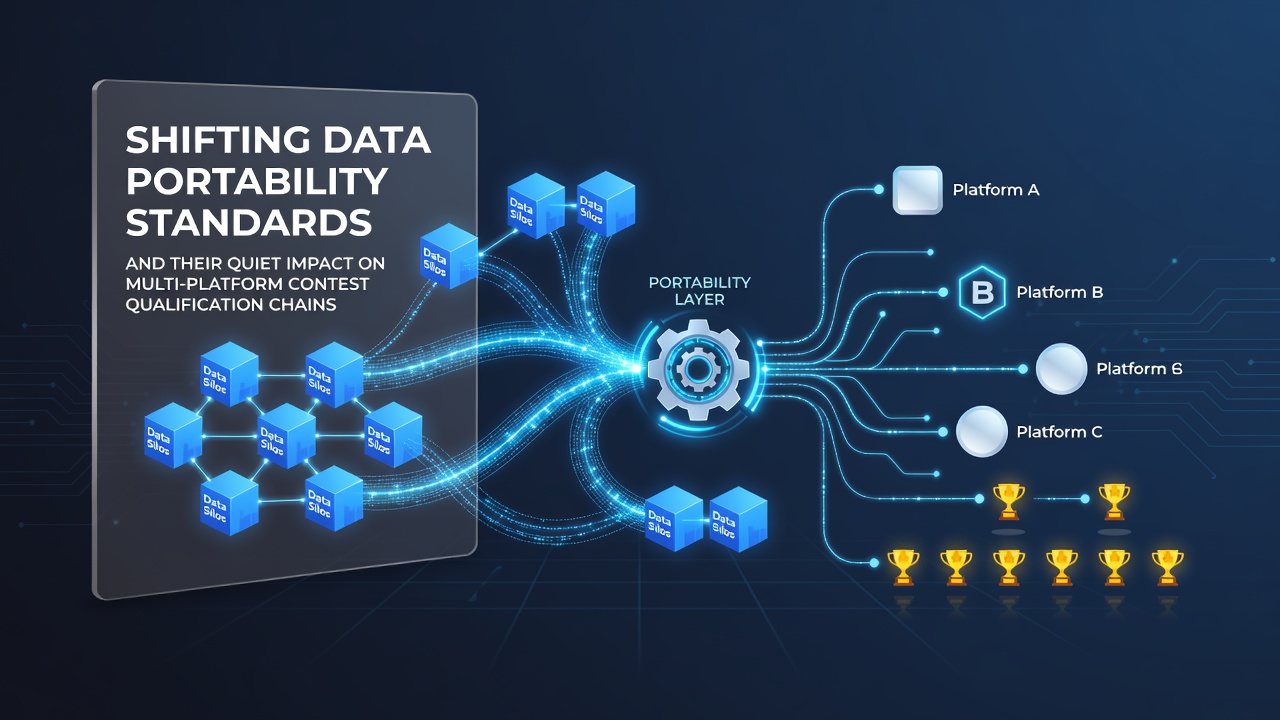
Observers note that data portability standards have evolved steadily over the past decade, creating new pathways for user information to move between services while also introducing constraints on how contest operators verify eligibility across platforms. These shifts affect qualification chains because many promotions now require synchronized profile data to confirm that participants meet age, location, and prior entry rules before prizes are awarded.
Understanding Current Data Portability Requirements
Regulatory frameworks in multiple regions now mandate that users can request copies of their personal data in structured, machine-readable formats, and this requirement extends to contest platforms that collect names, addresses, email histories, and entry timestamps. The European Union's data protection rules, updated through successive guidance documents, emphasize portability for services that process personal data on a large scale, while similar provisions appear in Canada's PIPEDA amendments and Australia's Privacy Act reviews. Contest operators must therefore prepare systems that export verified participant records without exposing unrelated account details from other users.
Platforms handling recurring draws often link accounts across mobile apps, web portals, and partner sites, which means a single portability request can trigger updates to multiple qualification databases at once. When data moves from one system to another, verification scripts check for duplicate entries or geographic mismatches that could disqualify a participant under the original promotion terms. Researchers tracking these processes report that mismatches occur most frequently when time zones or regional eligibility lists fail to update in real time after a portability transfer completes.
Effects on Multi-Platform Qualification Chains
Qualification chains in contest ecosystems depend on consistent identity signals that travel with each user across separate promotions. A participant who enters a daily draw on one site adn a weekly sweepstakes on another may have profile elements shared through portability protocols, allowing operators to confirm that the same individual has not exceeded entry limits. Data shows that when portability requests arrive shortly before a draw deadline, some platforms experience brief delays in processing because automated checks must revalidate the imported records against existing ban lists and prize redemption histories.
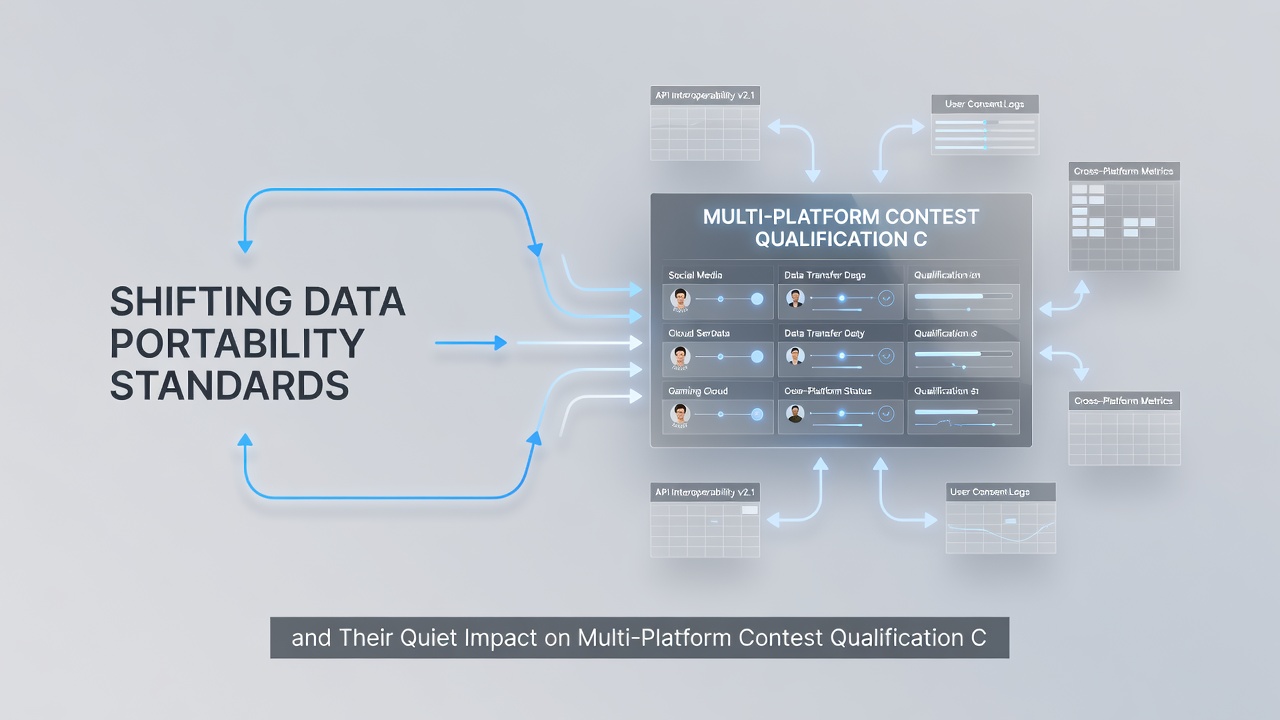
One documented pattern involves users who maintain profiles on both domestic and international contest aggregators. When portability standards require explicit consent for cross-border transfers, the chain of eligibility verification lengthens because each receiving platform must obtain fresh confirmations before counting the entry. Figures from industry reports indicate that such consent steps have increased average processing times by several hours during peak entry periods, particularly around major holiday promotions. Those who manage multiple accounts find that maintaining synchronized data fields becomes essential to avoid automatic disqualification when records diverge after a portability event.
Developments Anticipated for August 2026
Scheduled updates to several national data protection guidelines are set to take effect in August 2026, with particular attention to standardized export formats that include contest-specific metadata such as entry timestamps and prize claim statuses. The U.S. Federal Trade Commission has circulated draft recommendations encouraging operators to adopt interoperable schemas that preserve eligibility flags during transfers. Similar guidance from the Office of the Privacy Commissioner of Canada outlines expectations for audit trails that record when and where a participant's data moved between contest systems.
These forthcoming changes will require many multi-platform operators to revise their synchronization scripts so that qualification status remains intact even when data travels through intermediate services. Observers who monitor regulatory filings note that the August 2026 timeline aligns with broader reviews of digital competition policy, which may further influence how contest networks share verification data without triggering additional consent layers. Platforms that prepare early for the updated schemas stand to reduce friction in their qualification chains, while those that delay risk temporary suspension of cross-site entry acceptance until compliance is demonstrated.
Case Examples from Platform Operators
Take one operator managing both a daily cash draw and a partnered weekly merchandise giveaway. After implementing updated portability tools, the company observed that users requesting data exports could re-import their entry history into a third-party aggregator within minutes, yet the receiving system still required separate verification against the original promotion rules. This process preserved the integrity of frequency limits but added an extra confirmation step that previously occurred automatically through direct database links.
Another instance involves a network of regional contest sites that adjusted their data handling ahead of the 2026 guidelines. By adopting a common schema for eligibility flags, the network reduced instances where imported records triggered false disqualifications due to outdated location data. Reports compiled by academic researchers at institutions studying digital service interoperability indicate that such preemptive alignment has helped maintain steady participation rates across borders even as portability volumes rise.
Conclusion
Data portability standards continue to reshape the technical and procedural foundations of multi-platform contest qualification. As operators adapt to upcoming requirements scheduled for August 2026, the ability to maintain accurate, transferable eligibility records will determine how smoothly qualification chains function across diverse promotion ecosystems. Those who track regulatory developments and implement compatible data structures position their systems to handle portability requests without disrupting ongoing draws or participant access.