Seasonal Flux in Verification Protocols: How Holiday Timing Influences Signup Retention Across International Prize Networks
Zara Klein · Jul 23, 2026
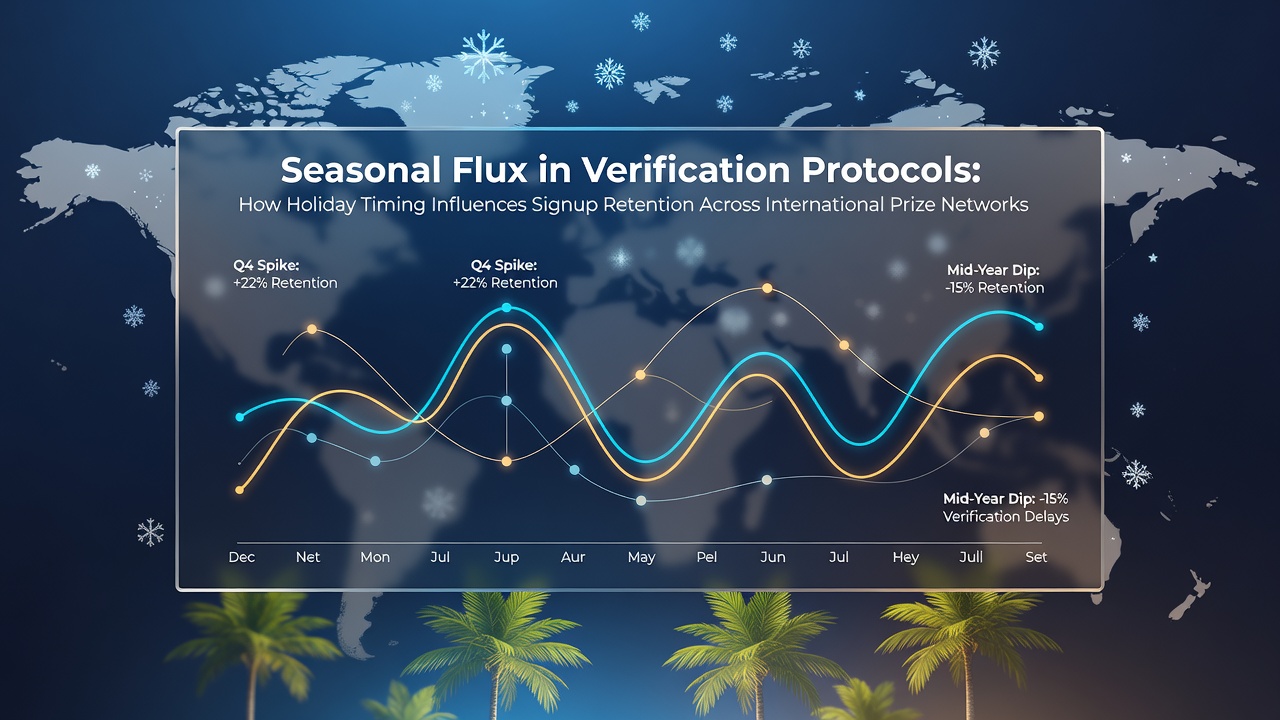
Seasonal Flux in Verification Protocols: How Holiday Timing Influences Signup Retention Across International Prize Networks
Verification protocols within international prize networks adjust their operational parameters during holiday periods, and data collected from multiple platforms shows measurable effects on signup retention curves throughout those windows. Researchers tracking entry volumes note that systems handling identity checks, eligibility confirmations, and account validations often encounter higher submission rates in the weeks surrounding major cultural observances, yet processing speeds vary according to staffing schedules and regulatory review cycles in different jurisdictions.
Operational Adjustments in Verification Systems
Networks coordinating daily and weekly prize selections implement modified verification workflows when staff availability decreases around public holidays, and these changes include extended review timelines for documents submitted from regions observing Christmas, Lunar New Year, or Eid celebrations. Figures released by platform operators indicate that automated checks continue without interruption while manual reviews for cross-border entries face delays of two to five business days during peak holiday weeks, prompting some participants to abandon incomplete registrations before final confirmation arrives.
Regional Variations in Protocol Timing
Observers monitoring North American and European networks report that verification queues lengthen noticeably between mid-December and early January, whereas Asia-Pacific operators experience similar patterns around late January and February during Lunar New Year observances; these staggered cycles create overlapping periods when multiple time zones simultaneously submit high volumes of new signups. Data compiled across platforms demonstrates that retention after initial signup drops by measurable percentages when verification notifications arrive after participants have already shifted attention to other seasonal activities.
Signup Volume Patterns and Retention Metrics
Analytics from recurring promotional draw systems reveal that holiday-adjacent months produce elevated registration attempts, yet completion rates for full verification steps decline in proportion to the length of time between submission and approval confirmation. One longitudinal study covering entries from 2023 through 2025 found that networks applying expedited secondary checks during non-holiday periods maintained higher sustained participation levels, whereas those relying on standard holiday staffing models recorded lower percentages of users returning for subsequent draws.
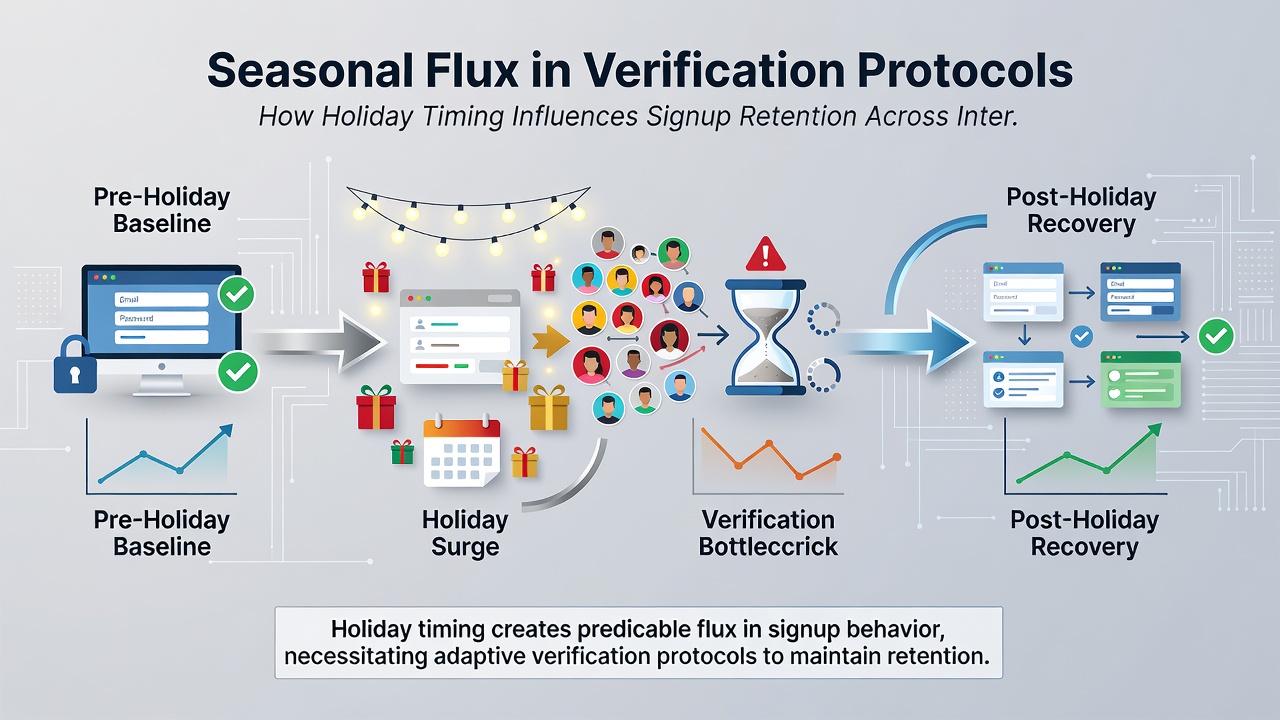
July 2026 presents a distinct case because several major networks plan to align mid-year promotional pushes with summer holiday schedules in the northern hemisphere while southern hemisphere operators maintain regular verification staffing; preliminary modeling suggests this alignment may reduce simultaneous delays compared with December cycles, although cross-border eligibility reviews could still extend processing windows for entries originating from countries observing national holidays in that month.
Cross-Border Eligibility and Notification Shifts
International prize networks must reconcile differing national requirements for identity documentation during holiday seasons, and regulatory updates issued by bodies such as the Federal Trade Commission in the United States alongside the Australian Competition and Consumer Commission have clarified disclosure standards that operators incorporate into their verification checklists. These clarifications lead some platforms to insert additional review layers precisely when holiday-related absences reduce available personnel, creating bottlenecks that affect retention among users who expect rapid confirmation.
Studies conducted by research teams at universities in Canada and Singapore have tracked how notification cadence changes during holiday periods correlate with participant drop-off, showing that delayed emails or app alerts coincide with measurable decreases in users completing profile updates required for continued eligibility in extended campaigns.
Retention Strategies Observed Across Networks
Platform operators respond to seasonal verification pressures by deploying temporary automation enhancements and preemptive eligibility screening tools, and records from multiple networks indicate these measures stabilize retention rates when implemented at least two weeks before major holiday periods begin. Participants who receive advance notice of potential processing extensions demonstrate higher completion percentages than those encountering unexpected delays without prior communication.
Future Monitoring and Data Collection
Industry reports compiled through 2025 emphasize the value of continuous monitoring of verification metrics around holiday windows, and networks preparing for 2026 cycles have begun integrating predictive staffing models that account for both cultural observance calendars and historical signup surges. Such preparations aim to maintain consistent processing intervals regardless of external seasonal factors.
Conclusion
Verification protocol adjustments during holiday timing produce documented shifts in signup retention across international prize networks, with data showing that processing delays, regional staffing variations, and notification timing collectively influence how many new participants complete required steps and remain active in subsequent draws. Continued collection of metrics through periods such as July 2026 will allow operators to refine these protocols further while meeting eligibility and disclosure requirements established by regulatory authorities in multiple regions.