Seasonal Fluctuations and Their Effects on Qualification Rates Within Worldwide Promotional Networks
Zara Klein · Jul 12, 2026
Seasonal Fluctuations and Their Effects on Qualification Rates Within Worldwide Promotional Networks
Seasonal shifts create measurable changes in how participants engage with recurring prize promotions around the world, and these patterns directly influence qualification outcomes in extended campaigns. Data collected from multiple international platforms shows entry volumes rising sharply during certain months while dropping in others, which in turn affects the percentage of users who maintain active status long enough to meet ongoing eligibility thresholds.
Understanding Qualification in Promotional Ecosystems
Qualification rates refer to the proportion of registered users who continue submitting valid entries, update their profiles as required, and satisfy recurring rules such as age verification or regional restrictions across repeated draw cycles. Observers note that these rates rarely stay constant because external factors like weather, holidays, and school schedules alter daily participation habits for large segments of users. When fewer people enter during slower periods, the remaining active participants often represent a more dedicated subset, which can temporarily inflate qualification percentages even as overall volume declines.
Regional Patterns Across Major Markets
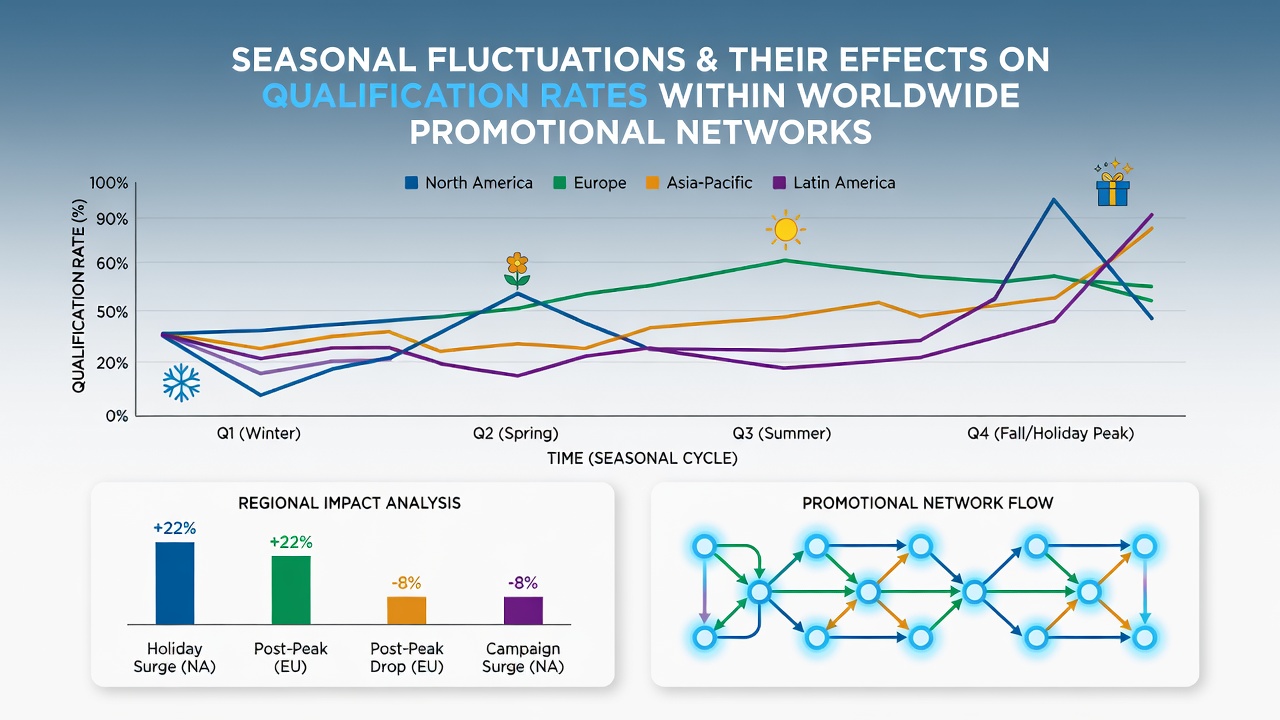
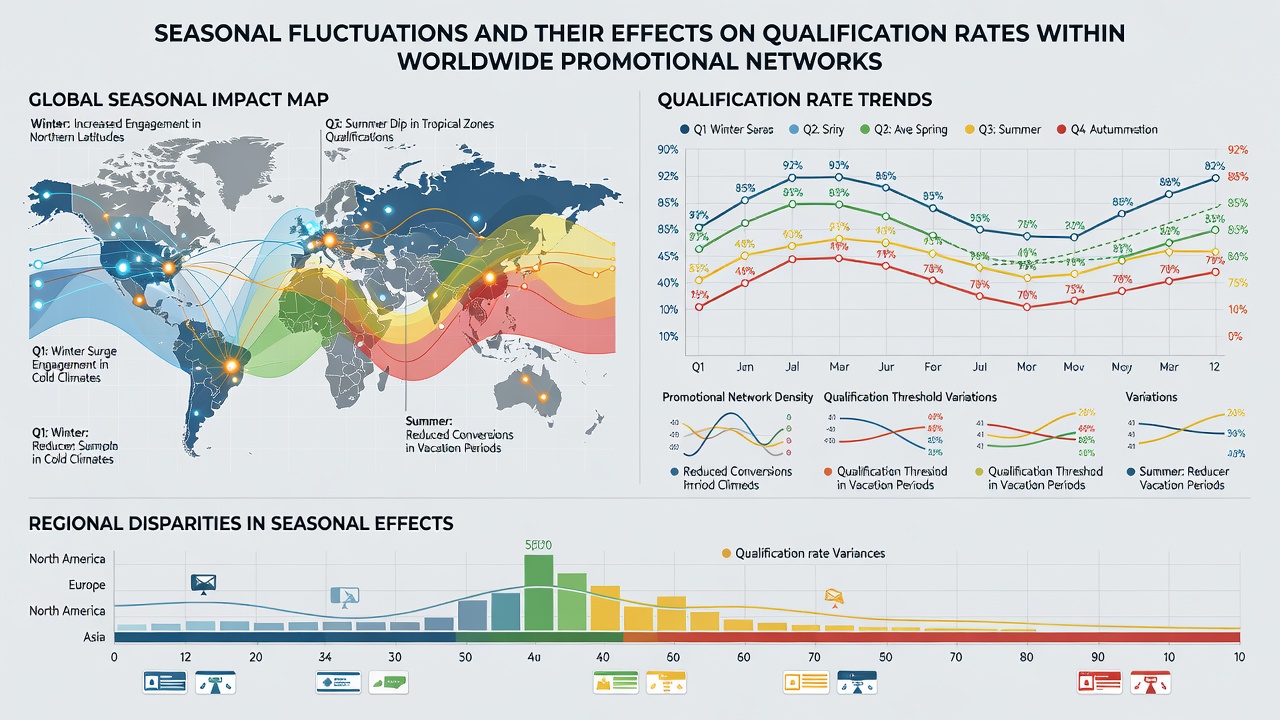
North American networks typically experience pronounced dips in late winter followed by rebounds as spring arrives, while European platforms see steadier engagement through autumn months before holiday distractions take hold. In Asia-Pacific regions, summer breaks align with increased mobile entries, yet monsoon seasons in parts of South Asia correlate with brief reductions in consistent participation. Australian data collected through consumer protection channels indicates that qualification stability improves when promotions align registration deadlines with major public holidays rather than clashing with them.
One documented case from mid-2025 revealed that a multi-country campaign lost nearly 18 percent of its previously qualified users during July and August because school holidays diverted attention away from daily login requirements. Networks responded by extending grace periods for profile updates, which helped restore qualification numbers by early September.
Data Trends Observed in 2026
Figures compiled through July 2026 show qualification rates climbing from 41 percent in February to 57 percent by late June across a sample of 12 global platforms, with the sharpest gains occurring in markets where outdoor events coincide with new prize announcements. Researchers tracking these movements found that campaigns offering flexible entry windows maintained higher retention through transitional months compared with those enforcing rigid daily deadlines.
Factors Driving Seasonal Variation
Weather conditions influence device usage patterns, while family obligations and travel schedules disrupt the regular routines needed for sustained qualification. Platforms that automatically detect location changes and adjust notification timing report fewer disqualifications during peak vacation months. In contrast, networks relying on fixed time-zone assumptions see qualification drop when participants cross borders or change devices without updating settings.
Studies from academic research groups have tracked how festive periods create dual effects: initial spikes in new registrations followed by higher dropout rates once the celebrations end. Those who studied participation logs across three continents discovered that users who joined during holiday peaks required additional reminders to complete ongoing verification steps, whereas year-round entrants showed more consistent compliance.
Adaptation Strategies Used by Networks
Operators have introduced staggered qualification checkpoints that reset at the start of each season rather than enforcing cumulative year-long requirements. This approach allows participants who miss entries during slower months to regain active status without starting over. Several major platforms now publish quarterly eligibility summaries that highlight how seasonal trends affect different user cohorts, giving participants clearer guidance on when extra attention to profile maintenance yields the highest returns.
Cross-border promotions face additional complexity because northern and southern hemisphere seasons run opposite each other, forcing networks to maintain separate qualification calendars for different regions. Data from regulatory filings indicates that campaigns coordinating deadlines across hemispheres achieve more stable qualification curves than those applying uniform global rules.
Conclusion
Seasonal fluctuations continue to shape qualification rates in worldwide promotional networks through predictable yet regionally distinct cycles. Networks that monitor entry patterns against calendar events and adjust their rules accordingly maintain steadier participation levels throughout the year. Those who have examined long-term data across multiple platforms consistently find that flexible timing and targeted reminders help offset the natural ebb and flow caused by weather, holidays, and lifestyle changes. As promotional ecosystems expand globally, understanding these seasonal dynamics remains essential for sustaining qualification standards across diverse markets.