Privacy Protocols and Their Role in Long-Term Contest Participation Strategies
Noah Vogel · May 24, 2026

Privacy Protocols and Their Role in Long-Term Contest Participation Strategies
Privacy protocols shape how participants manage personal information across extended periods of contest involvement, where repeated entries require careful handling of data submissions to sponsors and platforms. Data protection measures determine eligibility retention while minimizing exposure risks that arise from frequent registrations. Observers note that structured approaches to these protocols support sustained participation without triggering account flags or compliance issues.
Core Elements of Privacy Protocols in Promotional Contests
Contest organizers collect names, addresses, emails, and sometimes demographic details to verify entries and distribute prizes, yet privacy frameworks limit how that information gets stored or shared beyond the initial promotion. Consent forms outline retention periods, and participants who review these terms before submitting details avoid unintended data uses that extend past the contest cycle. Research indicates that clear consent language aligns with laws such as those enforced by the Federal Trade Commission, which requires transparent disclosures about data handling in commercial promotions.
Encryption standards and access controls form another layer, protecting stored records from unauthorized access during multi-year campaigns where winner lists and entry histories accumulate. Those who maintain separate email addresses for contest activities reduce cross-contamination between personal and promotional correspondence, a practice that aligns with data minimization principles found in various regulatory guidelines.
Regulatory Updates Influencing Participation Through 2026
By May 2026, several jurisdictions had introduced updated guidance on automated decision-making in prize selections, requiring sponsors to disclose how algorithms process entrant data for winner selection and fraud detection. Participants who track these changes adjust their entry habits accordingly, such as opting out of data sharing for marketing when permitted by new rules. The European Data Protection Board published supplementary recommendations that year clarifying retention limits for contest records, prompting many platforms to shorten storage windows from five years to three in applicable regions.
Canadian privacy authorities also issued enforcement examples highlighting improper use of entrant lists for secondary promotions, which led organizers to strengthen opt-in mechanisms. Individuals who monitor official bulletins from these bodies stay informed about shifting requirements that affect long-term strategies.
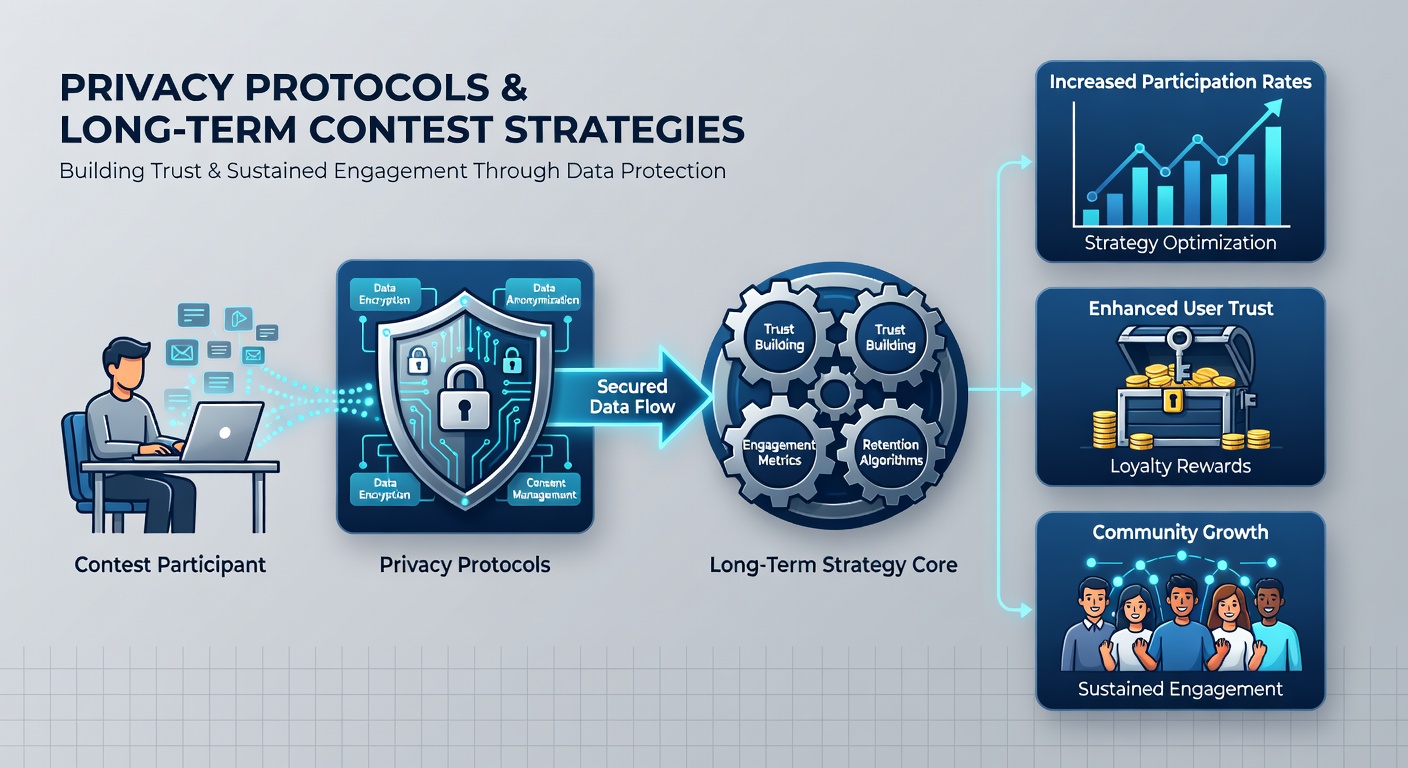
Building Sustainable Entry Habits Around Data Controls
Long-term participants often create dedicated profiles with minimal personal identifiers, updating only the fields required for each promotion while keeping core contact details consistent for prize claims. Password managers and two-factor authentication add layers that secure access to contest accounts over months or years of activity. Studies from academic sources on consumer data practices show that users who segment their online identities experience fewer instances of unwanted follow-up communications after entries.
Regular audits of past submissions help identify accounts where privacy settings have lapsed, allowing corrections before data becomes vulnerable during platform updates. Those who set calendar reminders for reviewing terms of service at six-month intervals maintain compliance without disrupting entry routines. And because many contests now integrate with social media logins, participants weigh the convenience against the broader data sharing that occurs when linking profiles.
Practical Outcomes Observed Across Extended Campaigns
Evidence from industry reports reveals that entrants who consistently apply privacy protocols report higher rates of successful prize redemptions, partly because their contact records remain accurate and accessible to organizers. Conversely, accounts flagged for inconsistent data or excessive sharing sometimes face delays in verification processes. Trade associations tracking promotional compliance have documented cases where proper consent documentation prevented disputes over data use in recurring draws.
Participants who avoid linking contest activity to primary social accounts limit the spread of entry patterns that could influence targeted advertising outside the promotion itself. This separation proves especially relevant when contests span multiple years and data sets grow larger.
Conclusion
Privacy protocols intersect with contest participation through consent management, data segmentation, and ongoing regulatory awareness, enabling individuals to maintain eligibility across extended timelines. As requirements evolve, those who integrate these controls into their routines sustain involvement while meeting teh standards set by sponsors and oversight bodies.