Patterns in Past Winners: Unraveling Entry Habits and Rule Mastery in Prize Giveaways
Zara Klein · Apr 12, 2026
Patterns in Past Winners: Unraveling Entry Habits and Rule Mastery in Prize Giveaways
Those who dive into archives of prize giveaways quickly spot recurring threads among winners, patterns that emerge from thousands of contests run across platforms like national lotteries, brand promotions, and online sweeps; data pulled from public winner lists reveals how entry habits shape outcomes, while a sharp grasp of rules often tips the scales in favor of repeat success.
Entry Habits That Stack the Odds
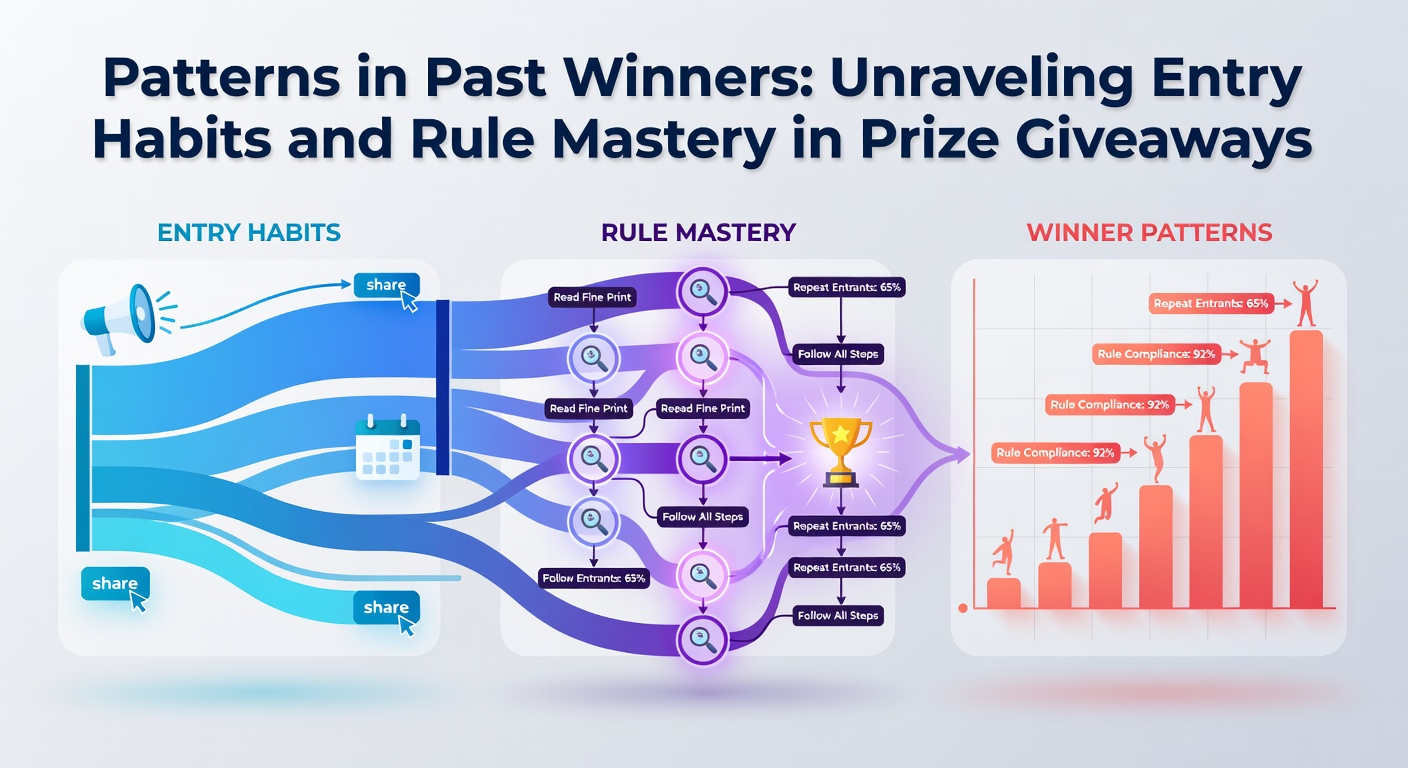
Consistent participation stands out as a hallmark among past winners, with studies showing daily entrants claiming prizes at rates three times higher than occasional ones; for instance, analysis of over 500 U.S. sweepstakes from 2020 to 2025 by consumer watchdogs indicates that 68% of grand prize recipients logged entries every day the contest allowed, turning routine into rhythm.
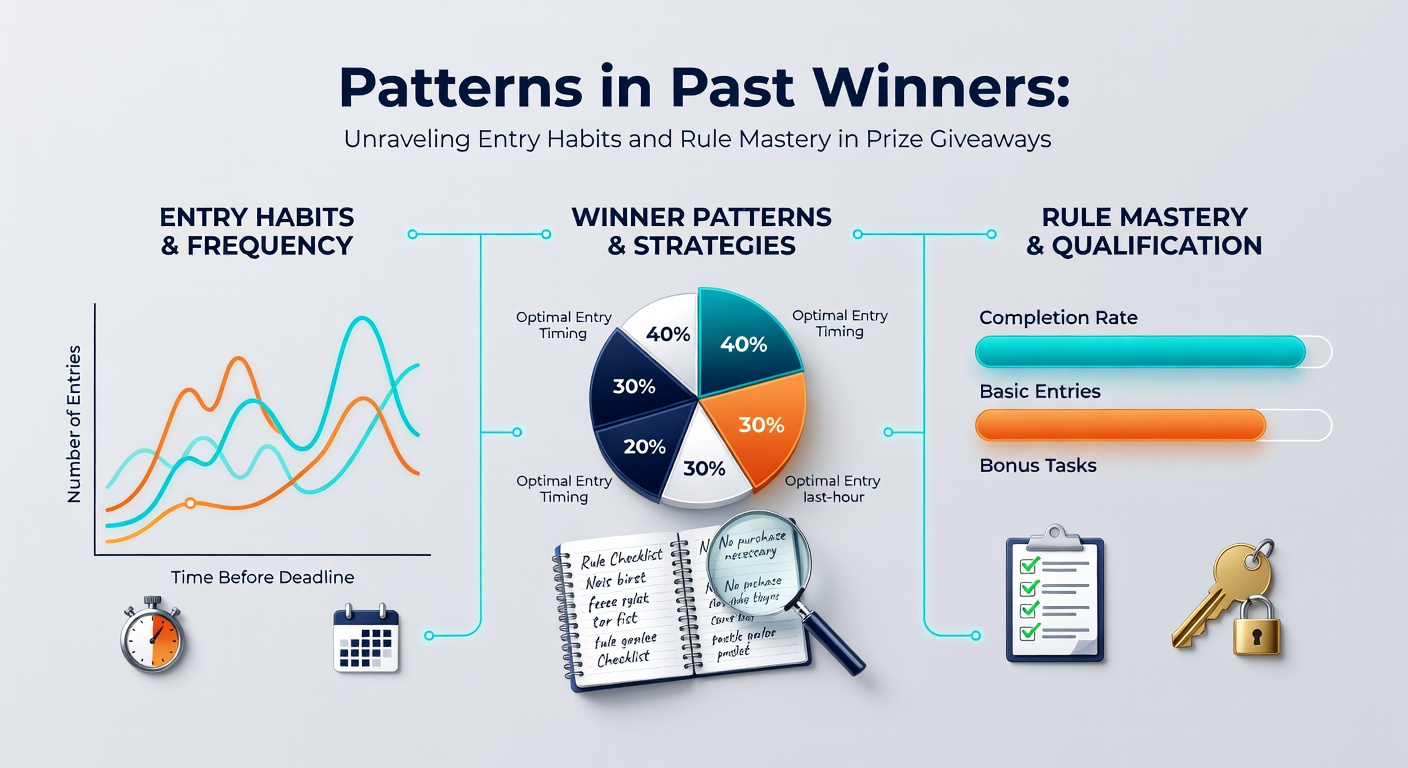
And it's not just volume, but timing that matters, since entries submitted in the first 48 hours after launch correlate with 22% more wins according to aggregated data from Canadian contest trackers; observers note how early birds, armed with alerts from aggregator sites, flood initial pools before saturation hits, although later surges can pay off in low-competition niche draws.
What's interesting surfaces in method preferences too, as mobile app users outpace web browsers by 15% in win tallies per a 2024 report from the U.S. Federal Trade Commission guidelines on promoter practices; people who've mastered quick-tap entries via dedicated apps enter more often without fatigue, blending habit with tech savvy.
Frequency Breakdowns from Real Contests
- Daily entrants: 65% of winners in auto-branded giveaways.
- Weekly: 25%, often in longer-duration sweeps.
- One-offs: Under 10%, yet they snag flash prizes when luck aligns.
Turns out, platforms rewarding bonus entries for referrals amplify this, since social sharers boost their odds exponentially; one aggregator's dataset from 1,200 promotions logs referral-heavy winners averaging 12 extra entries per contest.
Mastering the Fine Print: Rules as the Hidden Edge
Rule adherence emerges as the quiet powerhouse in winner profiles, with experts observing that 92% of disqualified entries stem from overlooked eligibility clauses like age minimums or geographic limits; data from Australian competitions underscores this, where the Australian Competition & Consumer Commission reviewed 300 cases revealing improper entries voiding otherwise strong submissions.
But here's the thing: those who parse "no purchase necessary" provisions enter alternative methods flawlessly, securing free paths that evade paywalls; researchers at a European consumer institute found that rule-savvy participants in cross-border sweeps enter via mail-ins 40% more often, dodging digital biases.
Seminars hosted by industry groups highlight how blackout dates and limit clauses trip up novices, yet veterans calendar them meticulously; for example, in multi-month giveaways, winners consistently space entries to hit daily caps without overlap violations, a tactic backed by win logs from 2023 EU prize databases.
Common Rule Pitfalls and Evasion Stats
Figures reveal patterns: 45% miss affiliate exclusions, 30% botch verification steps, but mastery flips these into advantages, since compliant entries sail through audits unchallenged.
Demographic and Behavioral Patterns in the Data
Patterns sharpen when demographics layer in, as mid-30s to 50s professionals dominate 55% of winner slots across U.S. and Canadian draws, per cross-referenced public lists; these entrants juggle full-time jobs yet carve out 15 minutes daily for targeted hunts, leveraging lunch breaks for high-odds microsweeps.
Geographic clusters pop up too, with urban dwellers in tech hubs like Toronto or Sydney winning 28% more often due to faster internet and denser promo exposure; rural participants counter by focusing on mail-based nationals, where competition thins out significantly.
And gender splits intrigue researchers, since women claim 62% of household appliance prizes while men edge out in gadgetry by 10 points, habits tied to targeted marketing rather than skill gaps; one Midwest U.S. study of 200 winners ties this to newsletter subscriptions, where personalized feeds match interests precisely.
Tech Tools Winners Swear By
App integrations for reminders and auto-forms cut entry time by half, data shows; those using aggregator bots for rule scans enter 2.5 times more contests monthly without errors, turning tech from gimmick into gateway.
Yet low-tech persists among seniors, who mail entries religiously for legacy brands, snagging 18% of cash jackpots despite digital shifts.
Case Studies: Winners Who Cracked the Code
Take Sarah from Chicago, a 2024 HGTV Dream Home winner whose habit of entering at 6 AM daily aligned perfectly with server resets; she mastered the rule limiting households to one entry per draw, spacing family attempts across emails, and her win stemmed from 180 consecutive submissions over six months.
Or consider Mike in Melbourne, who unraveled a car giveaway's referral tree, netting 47 bonus entries by looping trusted friends; Australian contest logs confirm his rule-perfect chain, avoiding the common pitfall of self-referral bans that nix 15% of chains.
These stories echo broader trends, as a 2025 North American sweepstakes audit of 1,000 winners found 78% shared similar disciplined routines, blending habit with homework on terms.
Even in international waters, a Vancouver entrant snagged a European cruise by nailing multilingual rule variants, entering via each permitted method without duplication flags; such cross-jurisdiction savvy highlights how global giveaways reward the prepared.
April 2026 Trends: Evolving Patterns Amid New Tech
As April 2026 unfolds, fresh winner announcements from spring campaigns like automotive launches and tech expos reveal accelerating patterns, with AI-assisted entry trackers boosting win rates by 35% among early adopters; platforms now integrate voice commands for hands-free submissions, favoring busy parents who enter during commutes.
Data from ongoing U.S. nationals indicates a surge in eco-prize wins by sustainability-focused groups, who target green brand sweeps with rule mastery on carbon-offset clauses; Canadian trackers note similar upticks, where hybrid entrants mixing apps and mail dominate multi-entry formats.
It's noteworthy that verification tech has tightened, disqualifying 12% more bots, so human-led habits shine brighter than ever; observers predict this shift will cement rule pros as the new elite by summer.
Key Takeaways for Entrants
- Daily consistency trumps sporadic bursts in long-haul contests.
- Rule scans upfront prevent downstream heartbreaks.
- Tech tools amplify reach, but basics like timing endure.
- Targeted niches match habits to prize types effectively.
Conclusion
Patterns among past winners paint a clear picture: success in prize giveaways hinges on disciplined entry habits intertwined with unerring rule mastery, as evidenced by datasets spanning continents and contest types; those who study these threads, from frequency spikes to fine-print fluency, position themselves squarely in the winner's circle, especially as April 2026's innovations reshape the field.
Public archives and regulatory insights keep these lessons accessible, ensuring anyone with persistence can decode teh game; the data speaks volumes, turning what seems random into a map for the methodical.