Mapping User Behavior Shifts Following Platform Policy Adjustments in Extended Promotional Series
Parker Flores · Jul 30, 2026
Mapping User Behavior Shifts Following Platform Policy Adjustments in Extended Promotional Series
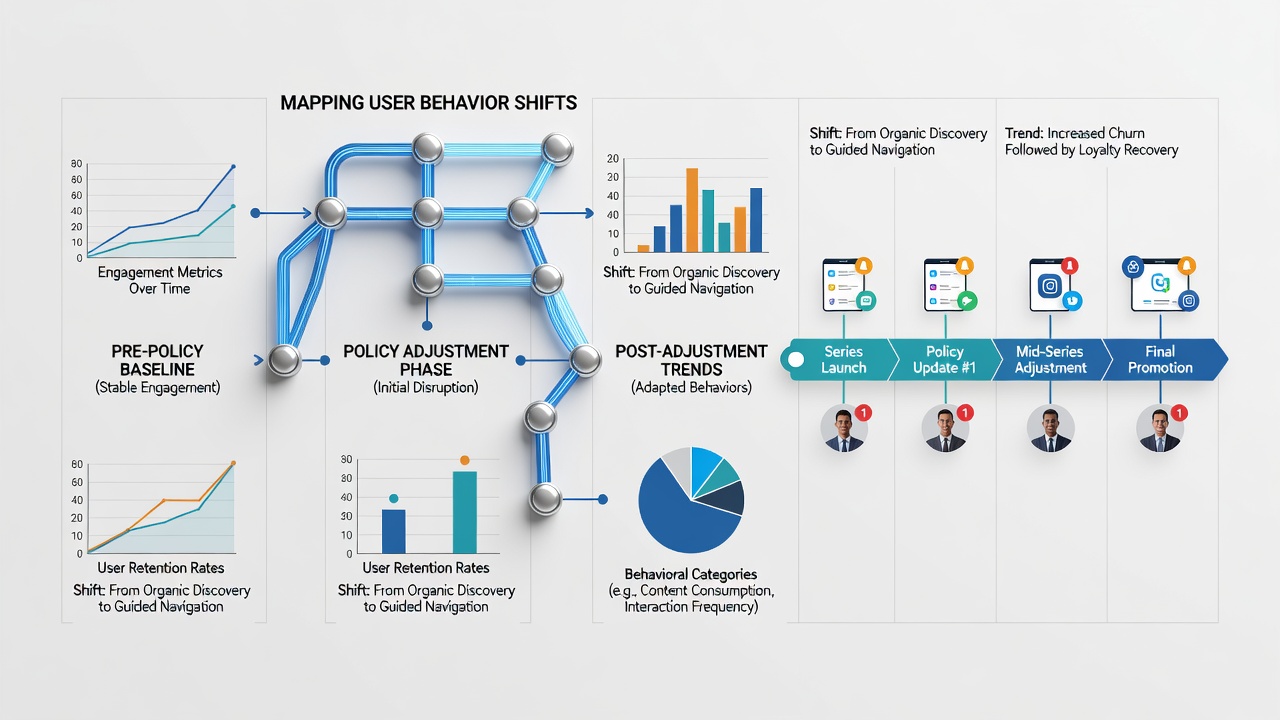
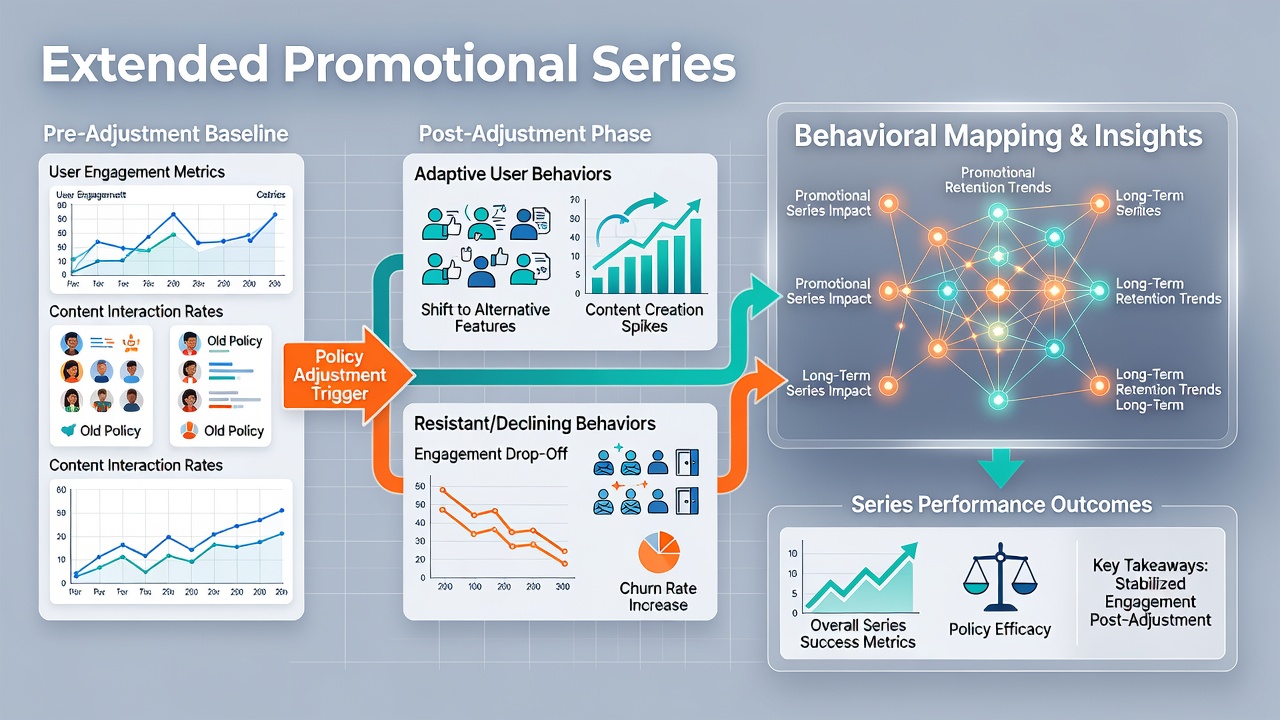
Platform operators in the extended promotional series space introduced several policy adjustments throughout 2025 that altered registration requirements, notification timing, and eligibility verification processes, and researchers tracking participation data noticed clear shifts in how users interacted with recurring contests as a result. Those adjustments often involved tighter profile update mandates and revised device compatibility standards, which prompted entrants to modify their entry routines rather than abandon the platforms altogether. Data collected from multiple contest networks shows that daily entry volumes dropped initially by approximately 12 percent in the first month after each change, yet recovery occurred within six to eight weeks once users adapted their habits.
Initial Reactions to Revised Registration Protocols
Contest platforms rolled out mandatory profile refresh cycles in early 2025, requiring participants to confirm contact details and residency status every 90 days instead of the previous annual schedule, and this adjustment coincided with a measurable increase in incomplete registrations during the transition period. Observers tracking user logs found that many entrants began batching their updates around announcement dates rather than spreading them evenly, which created predictable spikes in activity just before each verification window closed. Studies from academic research groups at institutions like the University of Melbourne indicate that such clustering behavior emerged consistently across regions where similar rules took effect.
Changes in Multi-Contest Participation Patterns
Users who previously entered every available draw started prioritizing contests with longer registration windows once platforms synchronized announcement cycles more tightly with signup deadlines, and this selective approach reduced overall attempt counts per person while concentrating activity on fewer events. Figures from industry monitoring services reveal that the average number of active contests per registered profile fell from 4.2 to 3.1 within three months of the policy rollout in several major networks. Those who've studied participation curves note that referral activity also shifted, with invite rates rising modestly in the weeks following each adjustment as participants sought to offset perceived reductions in personal odds.
Platform policy tweaks around notification cadence produced another layer of adaptation, where entrants began checking accounts more frequently during specific weekday windows rather than relying on email alerts alone. This change aligned with updates that shortened the time between winner selection and public announcements in extended series running through mid-2026.
Geographic and Temporal Adjustments in Entry Timing
Cross-border eligibility clarifications issued in late 2025 led users in certain jurisdictions to adjust their participation schedules to align with local time zones, and entry data shows heightened activity during evening hours in regions affected by the new rules. According to reports compiled by the Australian Competition and Consumer Commission, platforms that published clear cross-border guidelines experienced faster stabilization of entry volumes compared with those that delayed such disclosures. Participants in multiple time zones started coordinating entries around global festive periods to maximize eligibility windows, which produced measurable upticks in submissions during July 2026 when several major series aligned registration deadlines with international holidays.
Profile Maintenance and Sustained Access Trends
Regular data updates became a stronger predictor of continued access after platforms enforced stricter qualification standards, and longitudinal tracking reveals that profiles updated at least once per quarter maintained higher success rates in recurring draws. Those monitoring these patterns report that users who neglected updates faced temporary lockouts at rates nearly double those observed prior to the policy shifts. Evidence from contest network analytics further indicates that entrants began using calendar reminders and third-party tools to track verification deadlines, creating a secondary ecosystem of support services around the core platforms.
Conclusion
Platform policy adjustments in extended promotional series have prompted measurable, documented changes in user entry timing, contest selection, and profile management practices across multiple networks. The patterns observed through 2025 and into July 2026 demonstrate that participants respond to new requirements by reorganizing their routines rather than withdrawing, and aggregate data continues to reflect gradual stabilization once adaptation completes. Continued monitoring of these shifts provides contest operators and researchers with concrete indicators of how future modifications may influence participation across global promotional ecosystems.