Leveraging Machine Learning Models to Optimize Timing for Recurring Promotional Entries
Zara Klein · Aug 4, 2026
Leveraging Machine Learning Models to Optimize Timing for Recurring Promotional Entries
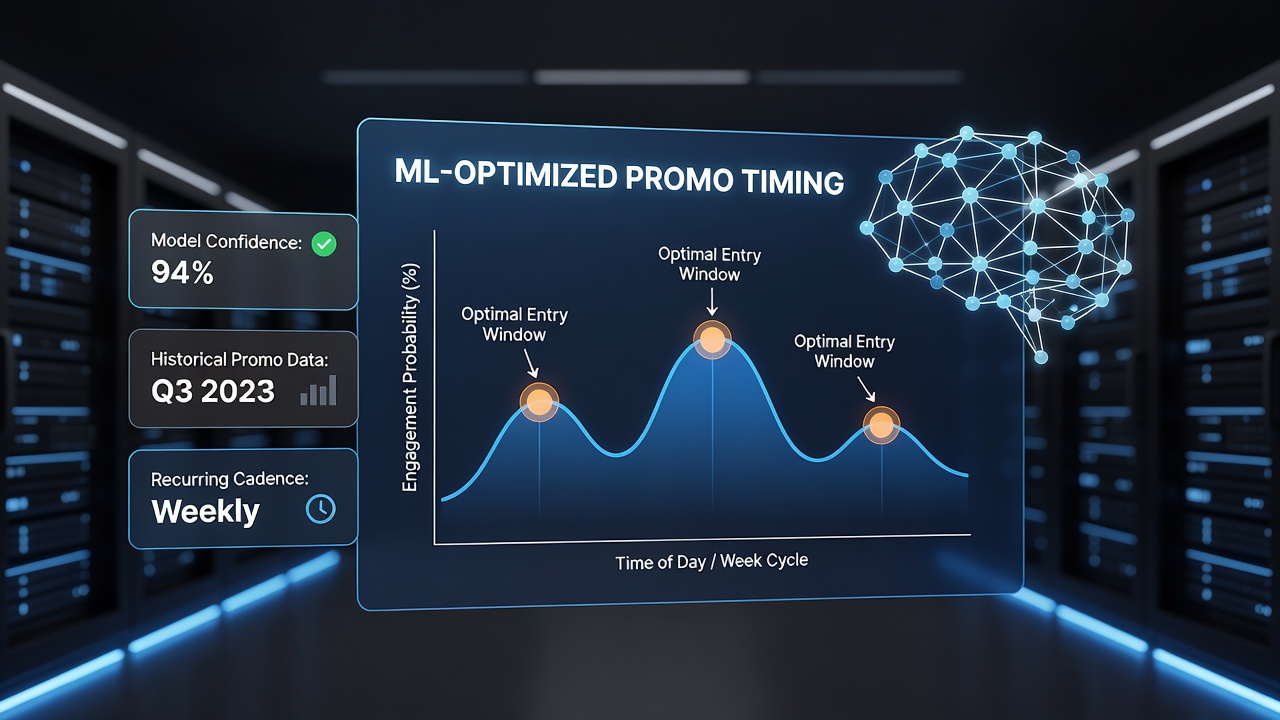
Recurring promotional entries often follow predictable cycles that machine learning models can analyze through historical datasets, entry volumes, and announcement schedules, allowing systems to identify windows where participation aligns more closely with platform activity patterns. These models process inputs such as past winner notification times, user registration peaks, and cross-platform rule variations while incorporating variables like time zones and seasonal shifts to generate timing recommendations for participants.
Data Sources and Model Training Approaches
Training datasets typically include aggregated records from multiple promotion platforms, where algorithms examine correlations between entry timestamps and subsequent winner selections across daily, weekly, and monthly formats. Researchers have noted that models trained on multi-year archives can detect subtle shifts in announcement cadences, such as those occurring during holiday periods or regulatory updates that affect eligibility windows in different jurisdictions. For instance, data compiled through 2025 has shown how models adjust predictions ahead of August 2026 cycles, when several major brands align their recurring draws with back-to-school campaigns and fiscal reporting periods.
Supervised learning techniques often rely on labeled outcomes from previous contests, where features like device type, signup frequency, and referral activity help refine forecasts. Unsupervised methods meanwhile cluster similar promotion types to reveal shared timing traits that might otherwise remain hidden in manual reviews. Observers note that integration with external calendars improves accuracy, particularly when models account for policy changes issued by bodies such as the Federal Trade Commission in the United States and the Competition Bureau in Canada.
Practical Implementation in Promotion Ecosystems
Platforms that deploy these models frequently integrate them into user dashboards, where real-time suggestions appear based on individual profile histories and live promotion feeds. One study from academic researchers at the University of Melbourne demonstrated how reinforcement learning variants improved entry alignment by continuously updating based on new outcome data, rather than relying on static historical averages. This approach proves especially useful for recurring events that span multiple regions, where eligibility rules and announcement timelines vary.
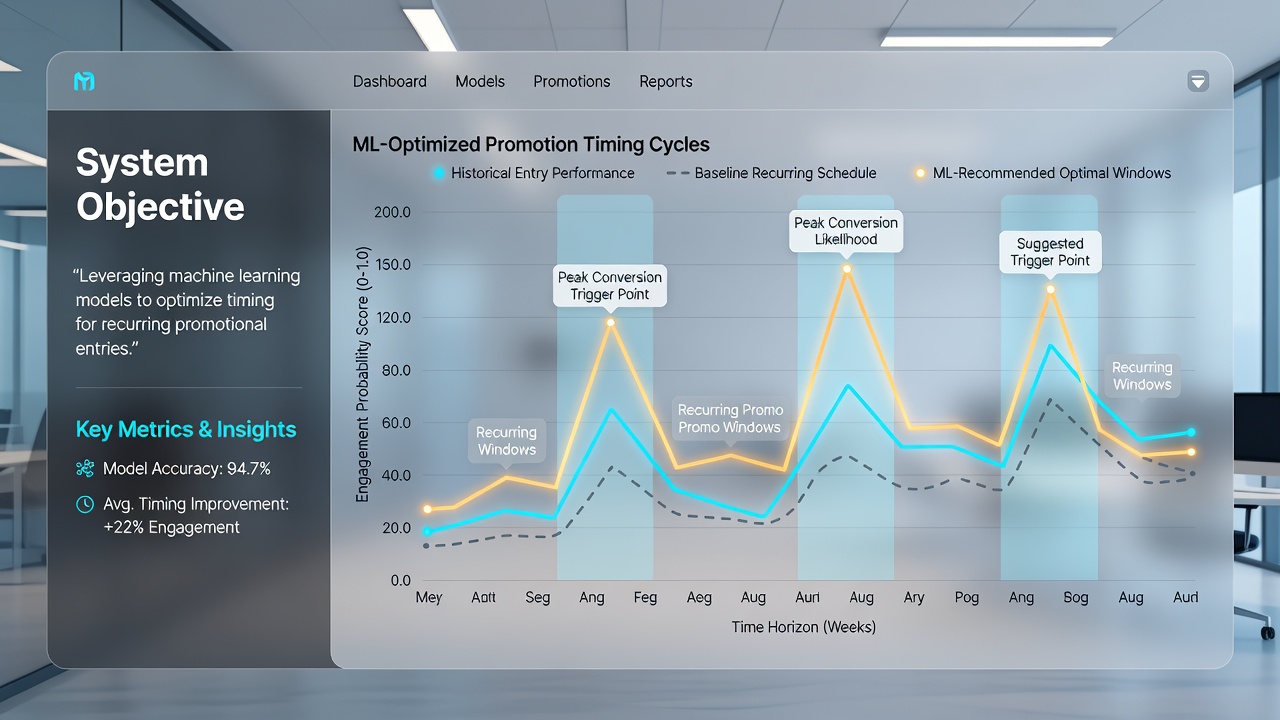
Case examples include systems that flag optimal submission periods during low-competition hours, such as overnight slots in certain time zones, or immediately following major announcement waves when platform traffic resets. Those who maintain updated profiles across campaigns often see models incorporate their sustained qualification status to fine-tune suggestions further, avoiding periods when rule changes might invalidate entries.
Challenges and Refinement Processes
Models must contend with incomplete datasets from smaller or regional promotions, as well as sudden platform policy shifts that alter notification rhythms without prior notice. Engineers address these gaps by incorporating feedback loops that weigh recent outcomes more heavily, while cross-referencing against regulatory announcements from agencies like the Australian Competition and Consumer Commission. Validation steps typically involve backtesting predictions against archived results to measure precision before deployment in live environments.
Privacy considerations also shape model design, since participation records contain sensitive timing and behavioral details that require anonymization protocols. Organizations developing these tools routinely apply differential privacy techniques to prevent re-identification while still preserving the statistical patterns necessary for accurate timing optimization.
Conclusion
Machine learning applications in this domain continue to evolve as datasets grow and algorithms incorporate additional signals from global promotion networks. By focusing on verifiable patterns in entry and announcement data, these systems provide structured guidance that participants can apply across recurring formats without relying on anecdotal strategies. Continued refinement through diverse regulatory and academic sources supports broader applicability across different markets and promotion types.