Investigating API Integrations That Automate Multi-Frequency Contest Submissions Across Platforms
Noah Vogel · Jul 7, 2026
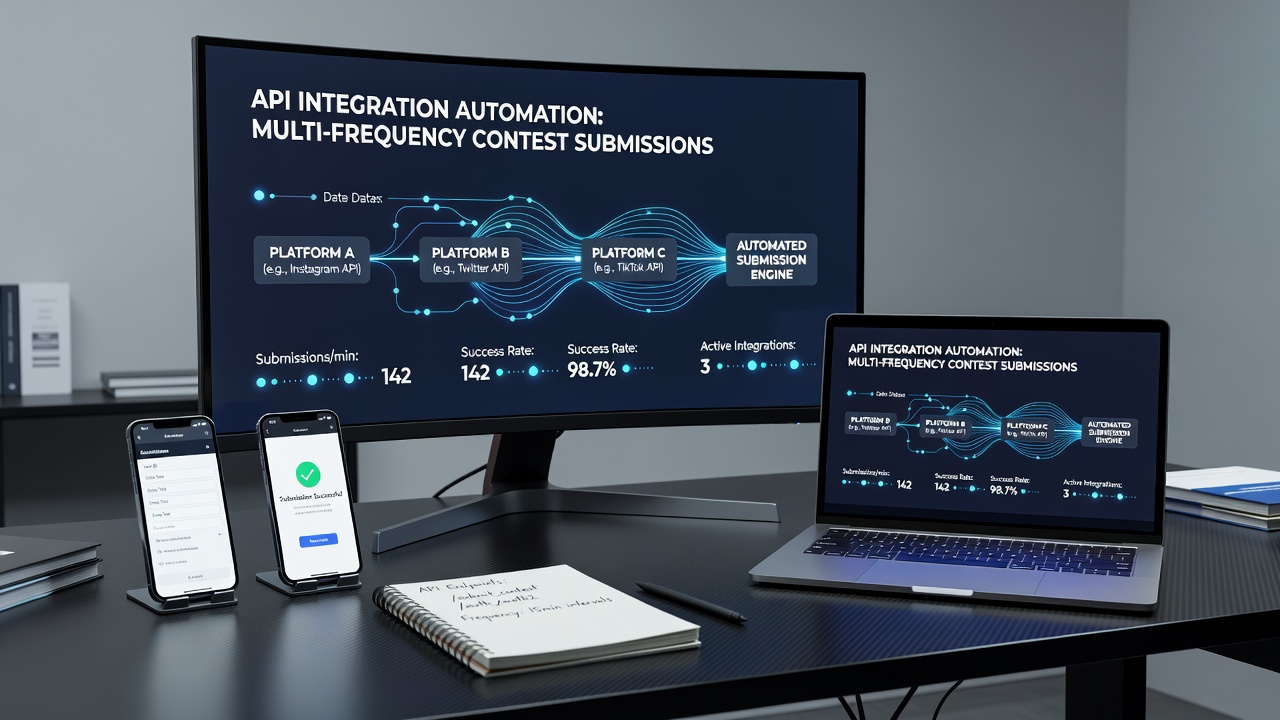
Investigating API Integrations That Automate Multi-Frequency Contest Submissions Across Platforms
API integrations have emerged as tools that handle contest entries at varying intervals, from daily draws to monthly promotions, while connecting different online platforms without manual intervention each time. Developers build these systems to parse entry requirements, format submissions according to each site's specifications, and schedule deliveries based on frequency rules set by contest organizers. Research from industry analysts shows that such integrations reduce the time spent on repetitive tasks, particularly when participants track dozens of active promotions simultaneously.
Core Components of Multi-Frequency Automation
Multi-frequency contest submissions require systems that distinguish between daily, weekly, and less frequent events while maintaining compliance with each platform's rules. APIs typically include modules for authentication, data validation, and timing controls that trigger actions at predetermined intervals. Those who've examined these setups note that the timing engine often relies on server-side cron jobs or cloud scheduler services to align submissions with contest opening windows across time zones.
Platforms publish documentation that outlines required fields, rate limits, and acceptable payload formats, which integration teams translate into reusable code libraries. Data indicates that standardized endpoints for user profiles adn entry confirmations help maintain consistency even as individual contests change their parameters. Observers point out that error-handling routines become essential because failed submissions at one frequency can cascade into missed opportunities at others if not isolated properly.
Technical Architecture Patterns Observed in Practice
Teams constructing these integrations frequently adopt a layered approach where a central orchestration service communicates with individual platform adapters. Each adapter handles the unique authentication methods, such as OAuth tokens or API keys, required by different contest hosts. Studies of similar automation projects reveal that caching mechanisms store temporary tokens and recent entry states to minimize redundant calls during high-volume periods.
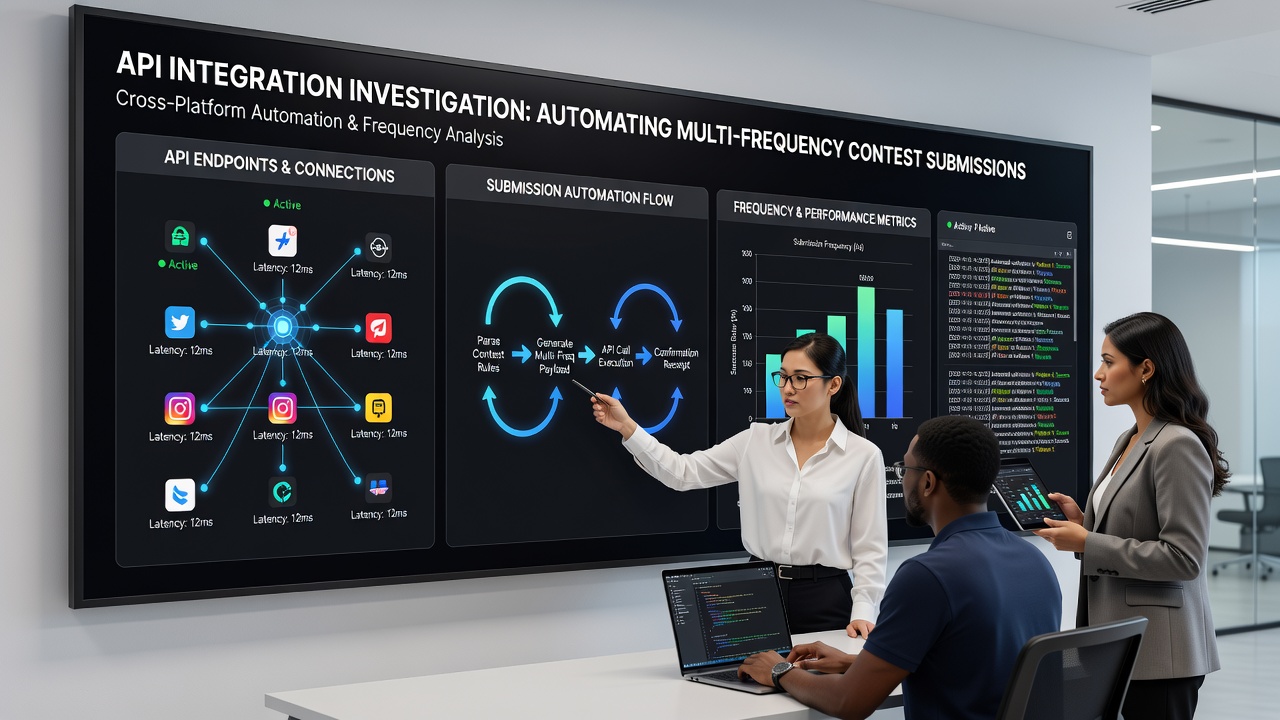
Database schemas track submission histories alongside contest metadata, allowing the system to verify that daily entries do not exceed platform caps while still queuing weekly or monthly ones. Security protocols encrypt stored credentials and log all outbound requests for audit purposes. Figures from technology adoption reports show increased deployment of containerized microservices for these adapters, which permits independent updates when a single platform revises its API without disrupting the entire workflow.
Integration Challenges Across Diverse Platforms
Differences in data formats and submission protocols create ongoing maintenance demands for developers. One platform might accept JSON payloads while another requires form-encoded data, forcing adapters to perform real-time transformations. Rate limiting varies as well, with some hosts permitting hundreds of requests per hour and others restricting activity to a handful. Those monitoring these systems report that retry logic with exponential backoff helps navigate temporary outages without triggering bans.
Cross-platform user identity management adds another layer, since participants often maintain separate accounts on each service. Mapping systems link these identities through consistent identifiers while respecting privacy regulations that differ by region. In July 2026, several major platforms introduced updated consent requirements that forced integration providers to revise their data handling flows to remain operational.
Regulatory Context and Compliance Mechanisms
Government agencies publish guidelines that affect how automated submissions must operate. The Federal Trade Commission outlines disclosure standards for promotions that automated tools must incorporate into their logging processes. Similarly, the Australian Competition and Consumer Commission maintains rules on fair trading that integration designers reference when building eligibility checks. Compliance modules within these APIs often validate age requirements, geographic restrictions, and entry frequency limits before transmitting data.
Industry organizations such as the Interactive Advertising Bureau have released technical specifications that encourage consistent metadata tagging across contest platforms. These specifications help automated systems identify and adapt to new promotions without extensive manual configuration each time a host updates its offerings.
Future Developments in Automation Standards
Work continues on unified schemas that would allow a single integration to interface with a broader range of contest hosts through common data definitions. Pilot programs involving academic research groups have tested blockchain-based logging for submission audits, though widespread adoption remains limited. Continued evolution of platform APIs will likely require ongoing adjustments to orchestration layers to preserve reliability across changing frequency schedules.
Conclusion
API integrations that manage multi-frequency contest submissions demonstrate how structured data exchange can coordinate activities across independent platforms. Technical patterns emphasize modularity and robust error management, while regulatory frameworks shape the boundaries within which these systems function. Ongoing refinements in both architecture and compliance protocols reflect the dynamic nature of digital promotion ecosystems.