Interface Tweaks and Entry Volume Swings: Analyzing Platform Design Impacts on Recurring Prize Pursuits
Zara Klein · Aug 27, 2026
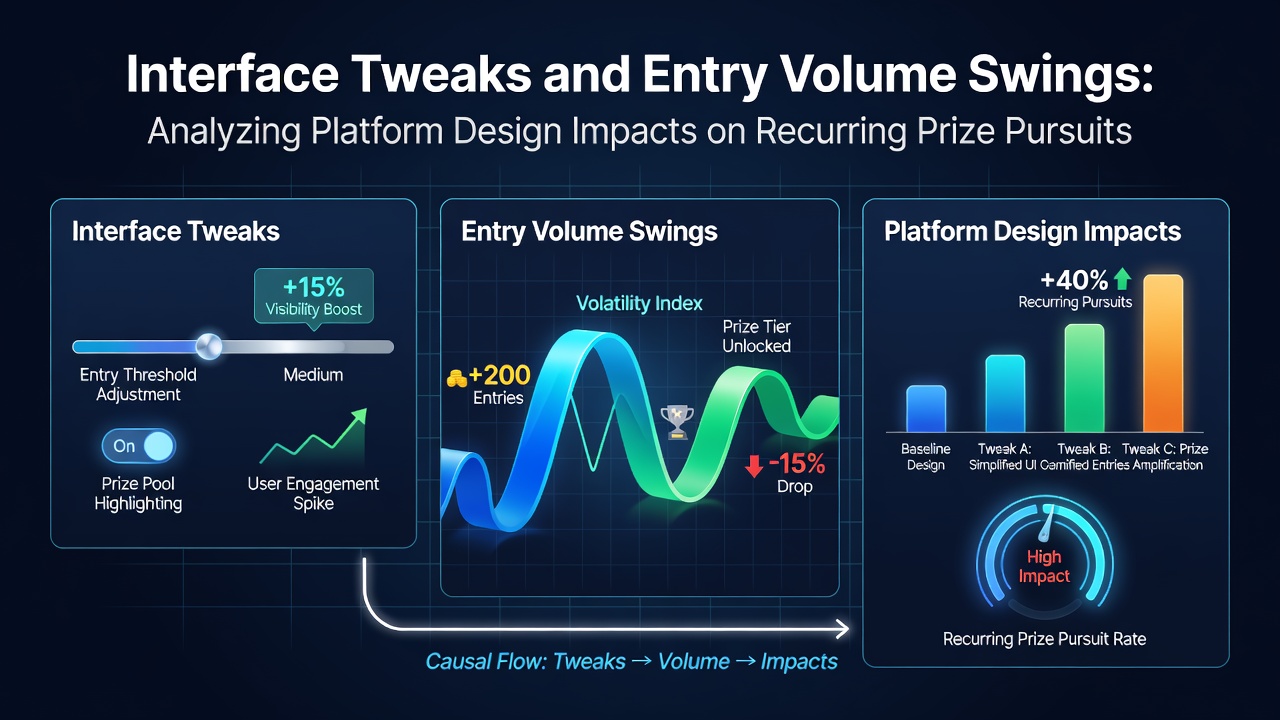
Interface Tweaks and Entry Volume Swings: Analyzing Platform Design Impacts on Recurring Prize Pursuits
Platform designers adjust button placement, loading speeds, and notification layouts on a regular basis, and these modifications produce measurable shifts in how many people submit entries to recurring prize events. Observers note that even minor changes in menu structure or mobile responsiveness correlate with daily entry fluctuations across multiple contest networks, particularly when promotions run on weekly or monthly cycles. Data collected from several large-scale giveaway operators indicates that streamlined checkout flows often coincide with higher completion rates during peak registration windows, while cluttered dashboards tend to slow participation momentum.
Design Elements That Influence Participation Rates
Researchers tracking user behavior across contest platforms have documented how color contrast adjustments and simplified form fields affect submission volumes. In one analysis covering North American operators, reducing the number of required fields from eight to four produced a consistent uptick in completed entries during the first week of each campaign cycle. Those who manage recurring draws report that auto-fill integration with existing user profiles cuts average entry time by several seconds, which compounds across thousands of participants. Platform metrics from early 2026 further revealed that push notification timing, when aligned with user time zones, lifted return visits by noticeable margins compared with generic broadcast schedules.
Mobile Optimization and Entry Volume Patterns
Mobile-first layouts have become standard in many promotion ecosystems because entry volume data shows stronger performance on handheld devices than on desktop interfaces. Studies compiled by academic teams at institutions in Canada and Australia demonstrate that responsive designs with thumb-friendly navigation zones maintain higher retention through multi-step entry processes. When platforms introduced collapsible sections for rules and eligibility details in mid-2025, operators recorded fewer abandoned sessions, especially in campaigns that required address verification or social media shares. Observers tracking these trends point out that slow image loading on older mobile browsers still creates friction points that reduce overall participation numbers.
Case Evidence from Recent Platform Updates
One European operator adjusted its dashboard layout ahead of a summer promotion series, moving the primary entry button above the fold on both app and web versions. Subsequent volume reports indicated a sustained increase in daily submissions that persisted through August 2026, when several overlapping campaigns reached their registration deadlines. Figures released by the European Commission consumer protection unit highlighted similar patterns across multiple member states, where clearer visual hierarchy reduced user drop-off during the final confirmation stage. Meanwhile, an industry report from the Electronic Frontier Foundation examined how privacy toggle placements influenced trust signals, which in turn affected whether repeat entrants completed forms on platforms that updated their data policies.
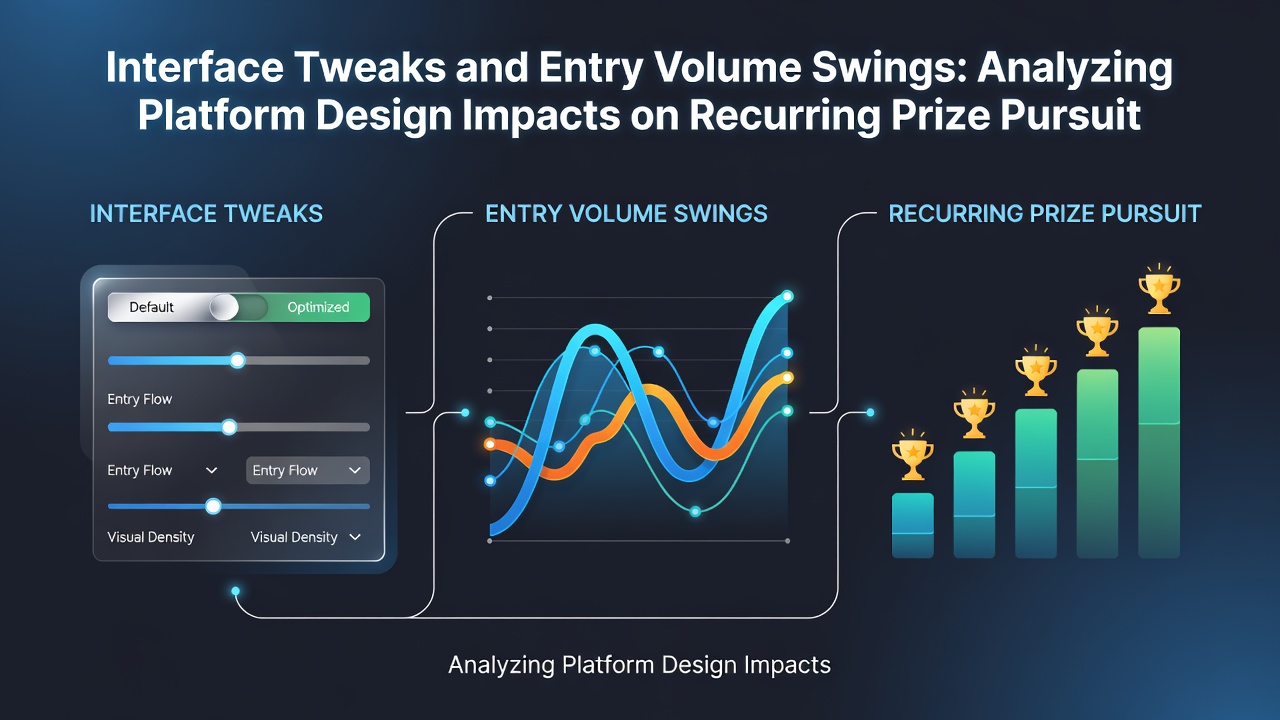
Additional testing conducted by research groups in the United States and Singapore found that A/B variants of confirmation screens produced divergent results depending on whether progress indicators appeared. Platforms that displayed real-time entry counters saw steadier daily flows, whereas those without counters experienced sharper drops after initial spikes. These observations align with broader findings from the Australian Competition and Consumer Commission, which examined how transparency features in promotional interfaces shape long-term user engagement across recurring draws.
Notification Cadence and Cross-Platform Consistency
Notification settings represent another variable that operators monitor closely. When platforms synchronized email reminders with in-app alerts rather than sending them separately, data sets showed reduced overlap and higher overall click-through rates into entry pages. Analysts reviewing records from 2025 noted that inconsistent iconography across desktop and mobile versions sometimes created confusion, leading to lower completion percentages during simultaneous contest windows. Those tracking participation curves emphasize that small tweaks in loading animations or error message wording can either sustain or interrupt the momentum built during registration periods.
Regional Variations in Design Responses
Geographic differences also surface in how design changes land. Platforms serving users across multiple continents adjust for language directionality and local payment or address formats, and these adaptations influence entry volumes in distinct ways. Data compiled ahead of August 2026 showed that interfaces supporting seamless region switching maintained steadier participation from international entrants compared with those requiring manual profile updates. Researchers continue to examine whether these patterns hold when campaigns overlap with global events or seasonal registration deadlines.
Conclusion
Platform interface modifications continue to correlate with measurable swings in entry volumes across recurring prize systems. Evidence from regulatory bodies, academic studies, and operator metrics illustrates that elements such as form length, notification timing, mobile responsiveness, and visual hierarchy each play documented roles in shaping participation patterns. As operators prepare campaigns that extend through late 2026, ongoing analysis of these design variables provides concrete data points for understanding how layout decisions affect the flow of entries into daily, weekly, and monthly draws.