How Timezone Alignments Shape Participation Equity Across Worldwide Recurring Prize Networks
Noah Vogel · Jun 7, 2026
How Timezone Alignments Shape Participation Equity Across Worldwide Recurring Prize Networks
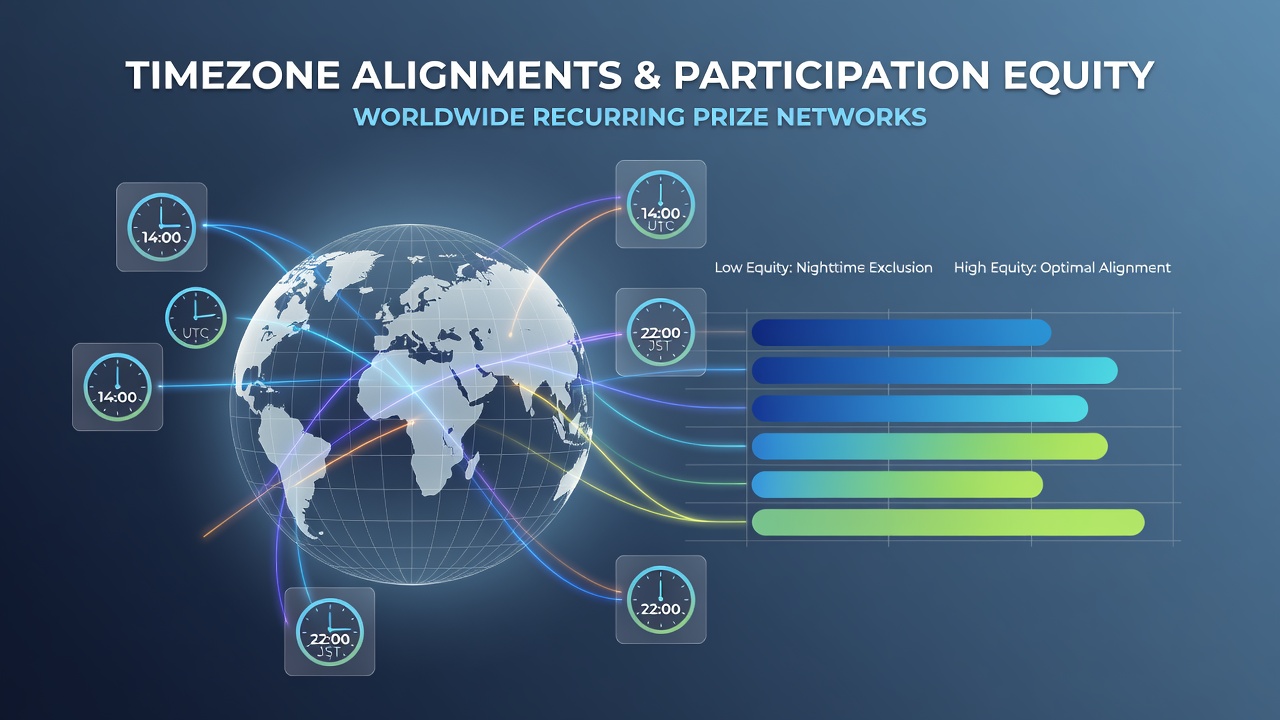
Participants in recurring prize networks encounter varying access windows shaped by the earth's rotation and standard time divisions that slice the planet into 24 primary zones. Data from international time coordination bodies shows that daily draws often close at fixed UTC moments, which translates into vastly different local hours depending on longitude. Observers note that entrants in the Asia-Pacific region frequently face midnight cutoffs while those in the Americas submit during afternoon hours, creating measurable differences in completion rates across demographic groups. Timezone offsets compound when promotions run on weekly or monthly cycles because announcement schedules rarely adjust for regional daylight saving transitions. Researchers tracking entry logs from major platforms find that participants located near the International Date Line experience the most pronounced delays, with some contests resetting before their local day even begins. This pattern holds steady through seasonal shifts, including the transitions scheduled for June 2026 when several northern hemisphere regions advance clocks by one hour.Entry Window Mechanics and Geographic Disparities
Recurring prize systems rely on server timestamps anchored to coordinated universal time, yet user interfaces display those deadlines in the entrant's browser locale. Studies conducted by academic groups in multiple countries demonstrate that misalignment between displayed and actual closure times leads to last-minute rushes in western longitudes and early cutoffs for eastern ones. Those who monitor participation metrics report that completion percentages drop by measurable margins for users operating in zones offset by more than eight hours from the platform's headquarters. Platform operators publish rules that specify exact UTC deadlines, but promotional calendars rarely include zone-specific reminders. Consequently, entrants relying on mobile notifications receive alerts calibrated to their device settings, which can advance or postpone perceived availability. Figures from global internet usage reports reveal that regions spanning multiple zones, such as Russia and the United States, exhibit internal participation gradients that mirror the same offset patterns observed internationally.Recurring Draw Frequencies and Cumulative Effects
Daily prize cycles reset every 24 hours, amplifying small timezone differences into consistent access gaps over months. Weekly draws allow slightly more flexibility since seven-day intervals absorb some offset variation, yet monthly events still cluster announcements around specific weekdays that favor certain hemispheres. Data compiled across several promotion ecosystems indicates that sustained participation rates stabilize only when entrants actively convert deadlines into their local equivalents, a step not uniformly performed across all user bases.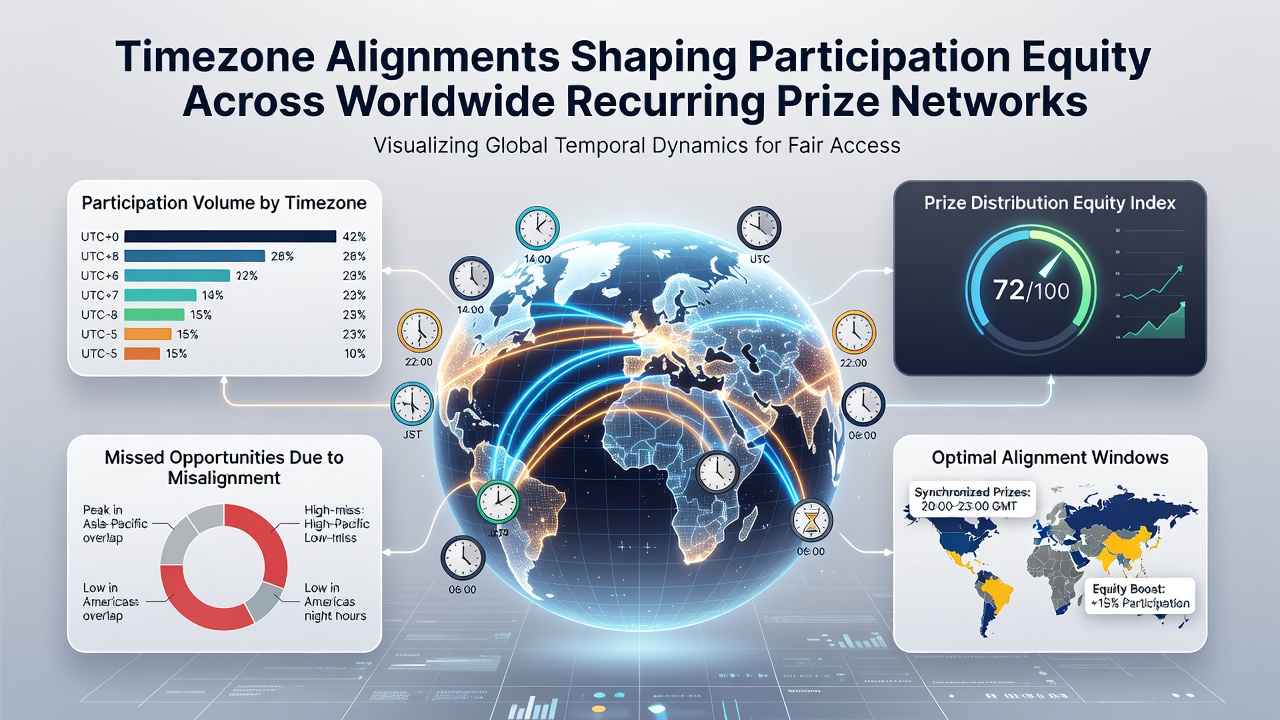 Automatic synchronization tools exist on some platforms, yet adoption rates vary by region according to device compatibility statistics. Observers tracking user behavior note that entrants in zones with frequent policy-driven clock changes encounter additional friction during rollover periods, particularly around equinox transitions. June 2026 includes one such adjustment window in parts of Europe and North America, during which several recurring networks will process simultaneous deadline shifts.