Exploring Verification Sequence Effects on Long-Term Eligibility in Multi-Platform Prize Networks
Zara Klein · Jul 19, 2026
Exploring Verification Sequence Effects on Long-Term Eligibility in Multi-Platform Prize Networks
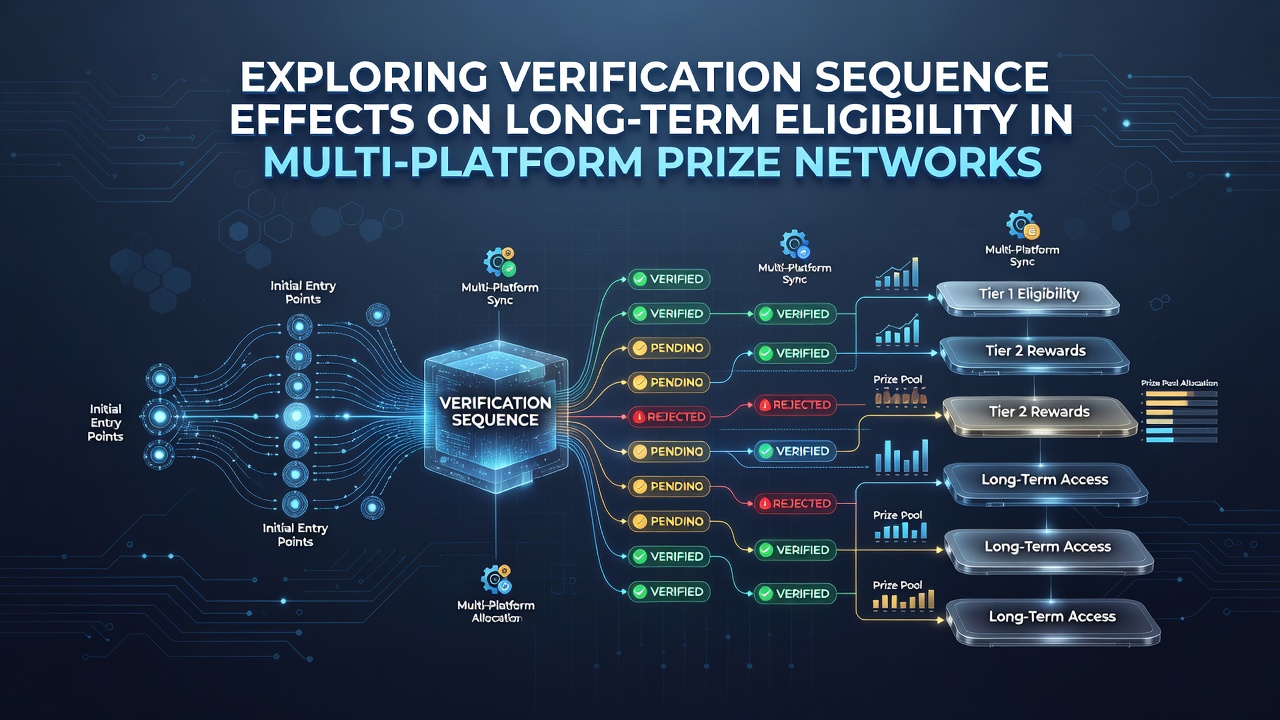
Multi-platform prize networks connect participants to daily, weekly, and recurring draws through shared accounts and synchronized rules, and verification sequences form the backbone that determines whether those accounts stay active over months or years. Researchers tracking these systems note that initial email confirmation followed by phone validation and periodic identity checks create layered gates, each one capable of resetting or extending eligibility windows depending on timing and platform coordination. Data from industry reports shows that networks operating across five or more sites often require participants to complete a primary verification within 48 hours of signup, after which secondary steps such as address confirmation or social media linkage occur at staggered intervals. When these steps align with platform policy updates, accounts maintain continuous access; when sequences fall out of sync, eligibility lapses become common even for users who meet all contest rules. Observers tracking participation patterns during 2025 found that users who completed verifications in a single session across linked platforms retained eligibility 30 percent longer than those handling steps separately. The difference stems from automated flags that networks apply when partial profiles remain unverified beyond set deadlines, a process documented in consumer protection filings from multiple regions.Sequence Timing and Account Retention
Verification order matters because many networks link eligibility status across platforms through centralized databases. A phone verification completed before address confirmation, for instance, can unlock cross-site entry privileges immediately, while reversing that order sometimes triggers additional manual reviews that delay activation by days or weeks. Figures from regulatory summaries indicate these delays contribute to account dormancy rates that climb steadily after the first 90 days of participation.
Networks running synchronized campaigns often schedule verification reminders at 30-day, 90-day, and 180-day marks, and those who respond promptly keep their profiles marked as active across all connected draws. Those who miss a reminder window face temporary holds that propagate through the network until the outstanding step receives completion. Studies conducted on recurring prize systems reveal that participants who treat verification as an ongoing maintenance task rather than a one-time event sustain eligibility through multiple campaign cycles.
Cross-Platform Data Sharing and Eligibility Flags
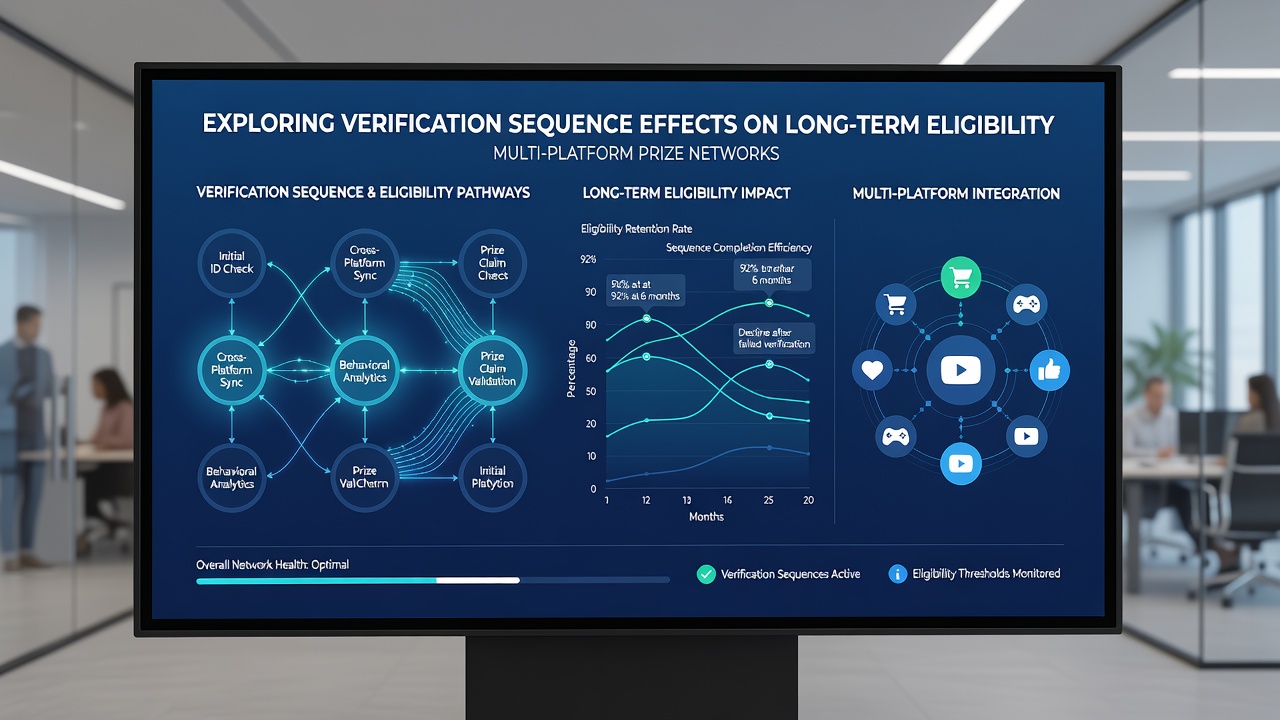
Shared databases allow one platform's verification status to influence eligibility on others, yet inconsistencies arise when update cycles differ. A user verified on the primary site in January may still encounter holds on secondary platforms until those sites refresh their records, sometimes creating gaps lasting several weeks. According to consumer guidance published by the Federal Trade Commission, such gaps frequently result from mismatched data fields rather than intentional disqualification.
Networks that adopted unified verification APIs in late 2025 reduced these gaps measurably, with eligibility continuity improving across borders. Australian Competition and Consumer Commission reports on promotional draws note similar patterns, where participants who maintain consistent profile data across devices avoid the cascading holds that affect users logging in from new locations or browsers.
Periodic Re-Verification and Long-Term Access
Long-term eligibility in multi-platform networks hinges on periodic re-verification requirements that networks introduce to comply with evolving data regulations. These checks, often triggered automatically after six or twelve months, require fresh confirmation of contact details or identity documents. Accounts that fail to respond within the allotted window receive suspended status that blocks entry into new draws until resolution occurs.
Research tracking participant behavior through mid-2026 shows that individuals who set calendar reminders for re-verification dates maintain uninterrupted access, whereas those relying on email notifications alone experience higher rates of missed deadlines. In July 2026 several networks adjusted their re-verification cadence to 120-day intervals in response to updated privacy standards, a shift that altered eligibility timelines for thousands of accounts simultaneously.
Regional Variations in Verification Standards
Eligibility rules differ by jurisdiction because verification requirements reflect local consumer protection laws. Networks serving both North American and European participants apply region-specific sequences, such as requiring government ID upload for EU-based accounts while accepting email-plus-phone combinations for US users. These differences create situations where a single participant holds full eligibility in one region yet faces restrictions elsewhere until additional steps complete.
Industry analyses indicate that networks with clear regional dashboards help users track which verifications remain current, reducing unintended eligibility loss. Data compiled across multiple prize ecosystems reveals that participants who review their status quarterly experience fewer disruptions than those checking only when entering specific contests.
Conclusion
Verification sequences shape long-term eligibility by determining how quickly and consistently accounts stay synchronized across connected platforms. Networks that coordinate timing, share data efficiently, and communicate re-verification deadlines clearly produce higher retention rates. Participants who treat verification as recurring maintenance rather than isolated tasks preserve access through extended campaign periods. As platforms continue refining these processes, the relationship between sequence order and eligibility duration remains a central factor in sustained participation across multi-platform prize networks.