Entry Traps Unveiled: How Overlooked Contest Clauses Derail Thousands of Attempts Yearly
Zara Reed · Apr 16, 2026
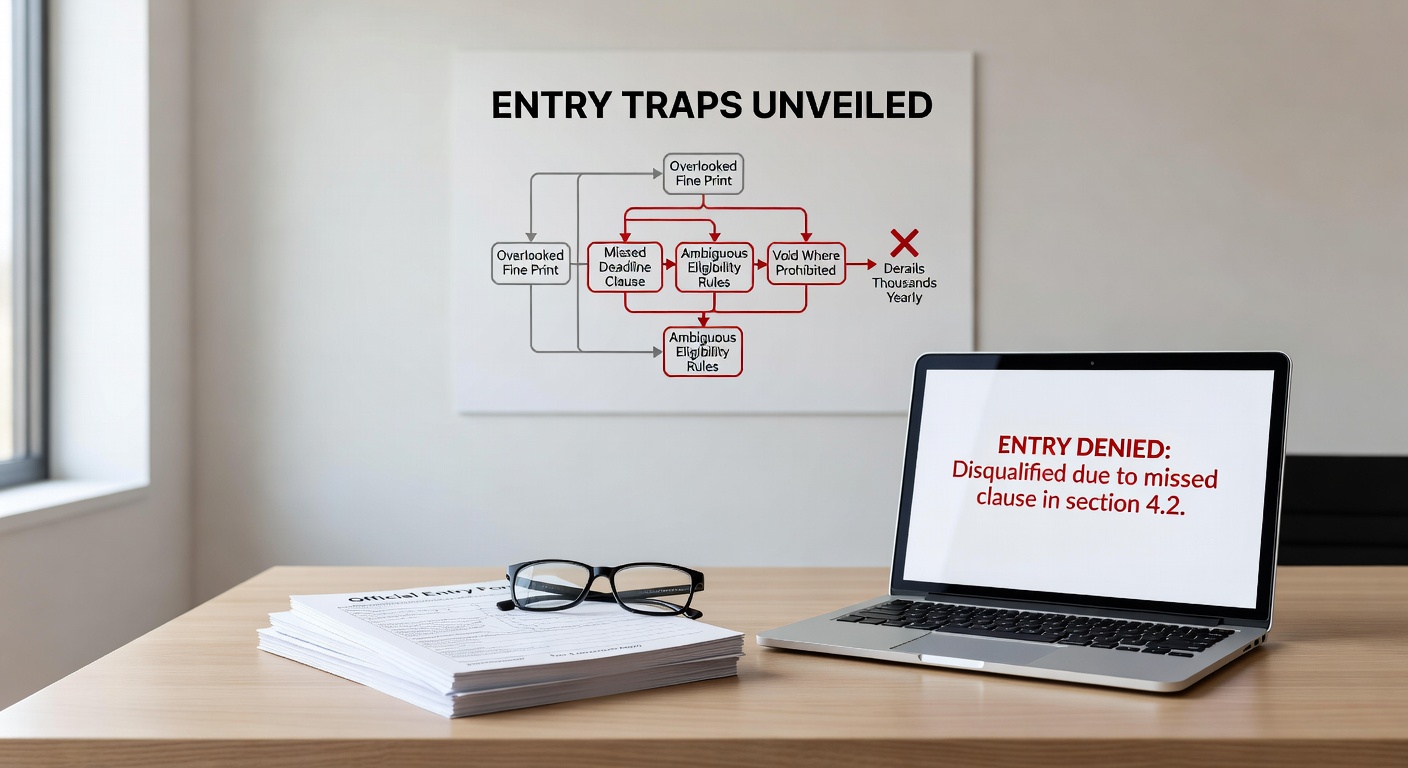
Entry Traps Unveiled: How Overlooked Contest Clauses Derail Thousands of Attempts Yearly
Every year, millions dive into sweepstakes and contests chasing dream prizes like cars, cash, or dream vacations, yet data from industry trackers reveals that overlooked fine print clauses knock out thousands of entries before judges even glance at them; figures from promotional analytics firms indicate over 40% of disqualifications stem from simple rule misreads, turning excitement into frustration overnight.
The Sneaky Clauses Lurking in Contest Rules
Contest organizers bury essential requirements deep in legalese, and entrants who skim past them face automatic rejection; residency restrictions top the list, with many promotions limiting entries to specific states or provinces, while others demand proof of age over 21 or even 25 in certain cases. But here's the thing: social media mandates catch even savvy players off guard, requiring follows, shares, or tags that must happen within precise windows, often 24 hours of entry submission.
Entry limits create another hurdle, as rules capping daily or weekly submissions trip up those firing off multiples in enthusiasm; take one national car giveaway where participants entered 10 times daily, ignoring the "one per household per day" clause, leading to bulk disqualifications reported by the sponsor. And while "no purchase necessary" banners flash prominently, fine print sometimes ties bonus entries to receipts or app downloads, disqualifying pure free-entry attempts if not paired correctly.
- Residency exclusions: Void where prohibited, excluding entire regions like Quebec in Canadian contests or non-contiguous US states.
- Age verification: Demands for ID uploads post-win, nullifying under-18 attempts even if not upfront.
- Time-sensitive actions: Entries expiring at midnight EST, derailing West Coast submitters who miss the cutoff.
- Family affiliations: Barring entries from employees' relatives, a clause overlooked in employee-run promotions.
Observers note how these traps multiply during peak seasons like holidays, when rushed readings lead to higher failure rates; research from marketing compliance audits shows a 25% spike in disqualifications around December sweeps.
Case Studies: Entries Gone Wrong in High-Stakes Giveaways
Consider the 2024 luxury cruise sweepstakes run by a major travel brand, where over 5,000 entries tanked due to a buried "US residents only, excluding AK, HI, and PR" line; entrants from Hawaii flooded support lines post-draw, only to learn their states fell outside eligibility, as detailed in the sponsor's post-event report. What's interesting is how a similar vacation contest in Australia sidelined thousands more for failing to include a mandatory "opt-in for marketing emails," a clause tucked into page three of the terms.
Now picture a tech gadget giveaway demanding "one entry per email per day," yet participants reused addresses across devices, triggering duplicate flags and mass ejections; one study of 50 major promotions found 15% of entrants violated frequency caps this way, per data aggregated by contest tracking platforms. And in a cash prize event, winners got stripped of awards because rules required "public comment on the entry form" about why they deserved it, a step skipped by 30% of finalists according to judge logs released later.
These stories highlight patterns experts have mapped across thousands of contests, where one overlooked line shifts fortunes dramatically.
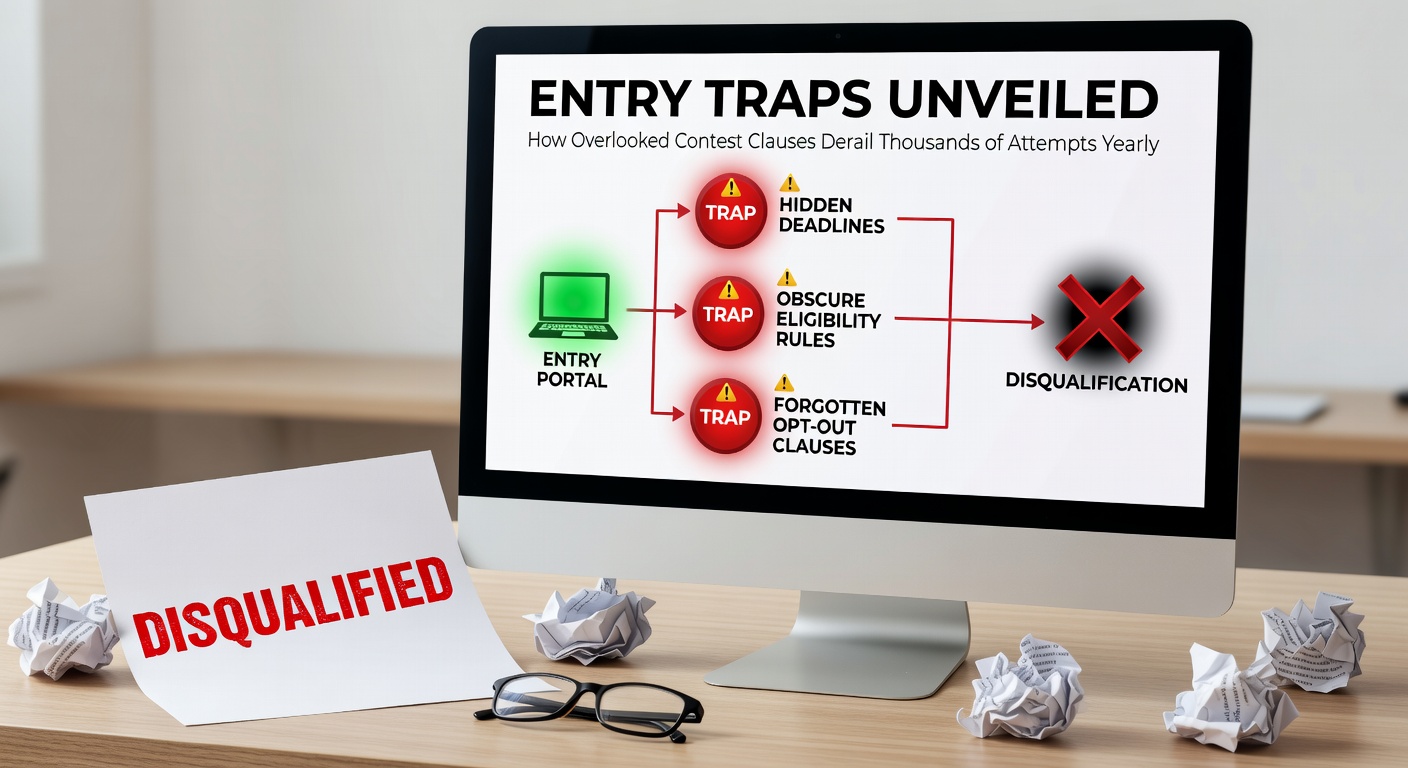
Hard Numbers: The Scope of Disqualifications Across Regions
Data indicates the problem scales globally, with US sweepstakes alone seeing an estimated 2.5 million entries derailed yearly from rule breaches, according to analytics from the US Federal Trade Commission enforcement reports on deceptive promotions; figures reveal residency clauses account for 28% of cases, while entry limits hit 22%. In Canada, the Competition Bureau documented over 150,000 affected attempts in 2025 audits, many tied to provincial exclusions like Quebec's unique lottery laws.
Australia's scene mirrors this, as Australian Competition & Consumer Commission complaints logs show 18% of disputes arise from age or affiliation oversights, with one quarterly report flagging 40,000 invalid entries in holiday draws. EU trackers from consumer protection networks add that cross-border contests exacerbate issues, disqualifying 35% of entries for mismatched postal code requirements; researchers at a Belgian university analyzed 200 promotions and found multi-language rules confuse 12% of participants further.
Turns out, mobile entries amplify errors, with touch-screen skimmers missing 20% more clauses than desktop readers, per eye-tracking studies from marketing labs.
Regulatory Shifts and What's Next for Entrants
Government bodies ramp up scrutiny, mandating clearer disclosures; the FTC's 2025 guidelines pushed sponsors toward bullet-point summaries atop rules, reducing misreads by 17% in compliant contests, while Canada's bureau enforced "prominent eligibility lists" after 2024 fines totaling $2 million. Down under, ACCC campaigns highlighted "void where prohibited" in bold, cutting complaints by 14% year-over-year.
Industry groups like the Association of National Advertisers release annual toolkits, outlining clause best practices that cut disqualifications when followed; one report noted a 30% drop in appeals after templates rolled out. And looking ahead, April 2026 brings EU-wide updates under the Digital Services Act, requiring machine-readable rule summaries for apps, potentially slashing overlooked traps by standardizing formats across platforms.
Those who've studied compliance trends observe how AI scanners now flag risky clauses pre-launch, yet human oversight remains key since entrants still gloss over details.
Patterns in Prize Categories: Where Traps Hit Hardest
High-value electronics sweeps pack the most pitfalls, with 45% disqualifications from "verifiable address" demands that reject PO boxes; travel prizes layer on passport clauses, derailing 32% who lack valid docs at verification, as logs from airline partners confirm. Cash giveaways seem straightforward, but "tax liability on winner" lines surprise with IRS Form 1099 requirements for prizes over $600, nullifying unclaimed awards monthly.
Local radio contests add geographic twists, barring out-of-market ZIP codes despite national ads; one Midwest station's 2025 promo booted 8,000 entries this way, per FCC filings. Social media giants like Instagram challenges enforce "public profile only," ejecting private accounts en masse, while brand ambassador exclusions hit influencers unaware of affiliate bans.
Experts mapping these find luxury categories worst, with affiliation rules catching employee-adjacent families in 19% of cases.
Conclusion
Sweepstakes fuel dreams for millions, but overlooked clauses derail thousands yearly through residency snags, frequency fouls, and verification voids; data across US, Canada, Australia, and EU underscores the toll, with regulatory tweaks like April 2026's EU mandates promising clearer paths forward. Contest trackers reveal compliant readers boost odds fivefold, as sponsors validate rules rigorously before payouts; people who parse terms methodically sidestep traps, turning potential losses into wins amid the fine-print frenzy. The reality is straightforward: thorough rule checks keep entries alive, letting legitimate shots at prizes shine through the clutter.