Demystifying Verification Layer Shifts Across Recurring Global Prize Platforms
Blake Schmitz · Jun 25, 2026
Demystifying Verification Layer Shifts Across Recurring Global Prize Platforms
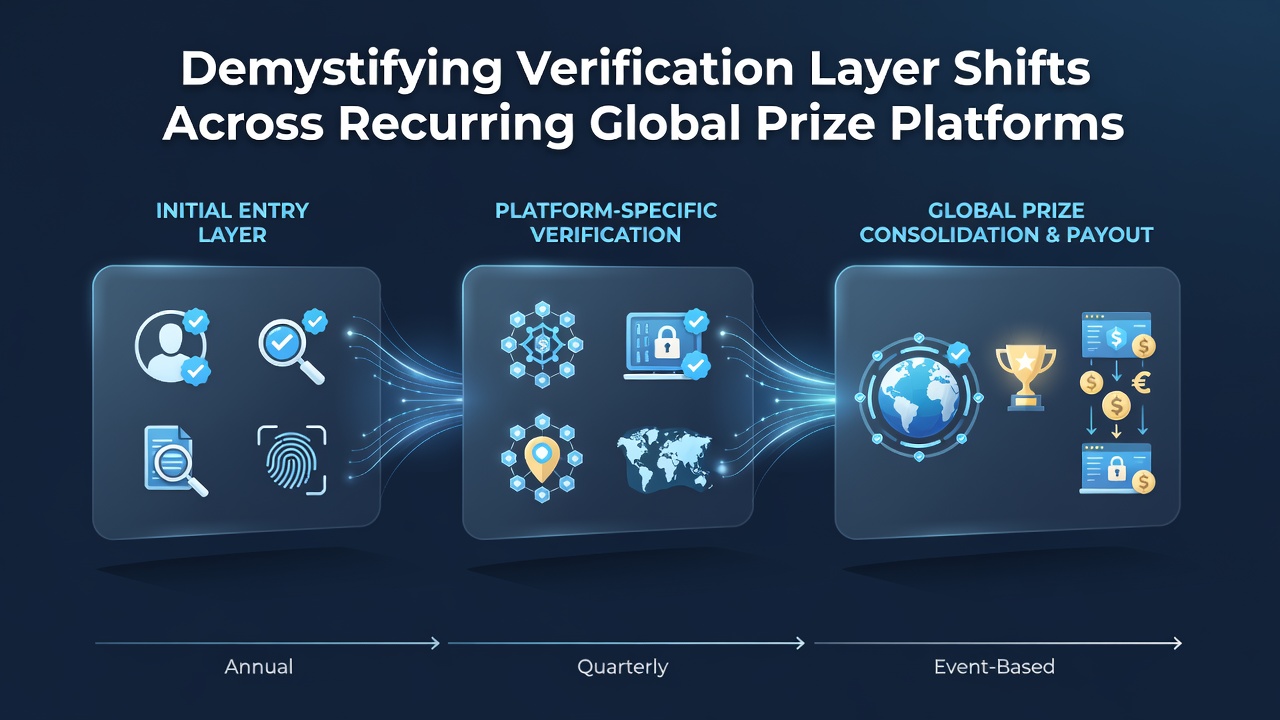
Verification processes in recurring global prize platforms have undergone measurable adjustments as operators respond to regulatory updates, fraud patterns, and technological capabilities, and these changes affect how participants complete entry requirements across repeated draw cycles. Data from industry reports indicate that platforms managing daily or weekly promotions now integrate multiple authentication stages that evolve based on jurisdiction-specific rules rather than remaining static across all user accounts.
Regulatory Drivers Behind Layer Adjustments
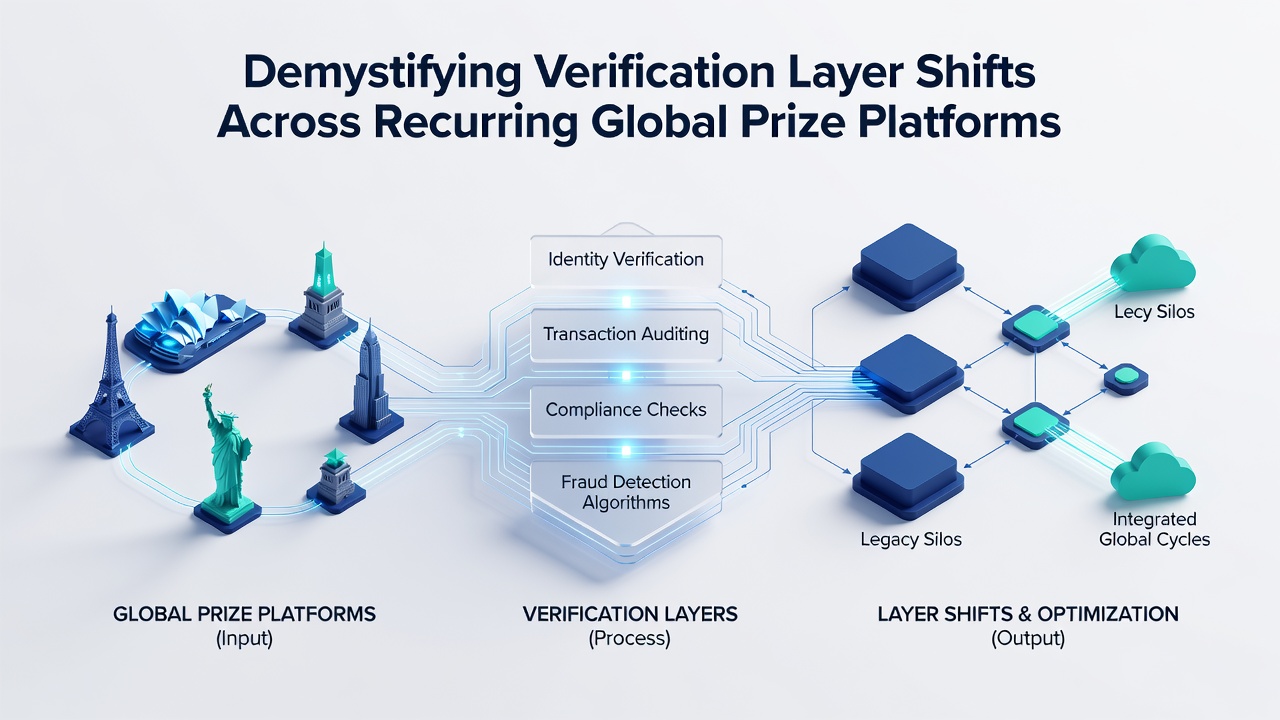
Platforms operating across borders must align verification protocols with data protection frameworks that differ by region, and authorities in the United States, Canada, and the European Union each enforce distinct requirements for identity confirmation during repeated contest participation. The Federal Trade Commission maintains guidelines on truthful advertising and prize promotions that influence how operators collect and verify entrant information, while the Office of teh Privacy Commissioner of Canada tracks compliance with personal information handling standards that affect recurring entry systems. European operators reference GDPR provisions that mandate explicit consent mechanisms and data minimization practices, which in turn shape the frequency and depth of verification checks applied to ongoing promotion networks.
As of June 2026 several platforms introduced enhanced cross-border eligibility checks that require participants to reconfirm residency details at set intervals, and these updates stem from coordinated enforcement actions among multiple national agencies rather than isolated policy decisions.
Technological Integration in Verification Sequences
Random number generator audits and device compatibility protocols have expanded to include automated identity matching tools that compare submitted details against third-party databases, and operators report reduced duplicate entries after deploying these systems. Research from academic institutions studying digital promotion ecosystems shows that multi-factor authentication layers now incorporate email confirmation, phone validation, and occasional document uploads when account activity triggers risk thresholds. These sequences adjust dynamically because platforms monitor participation patterns across time zones and adjust verification intensity to maintain compliance without disrupting daily draw cycles.
Participant Experience Across Changing Requirements
Those who maintain profiles in extended promotional campaigns encounter periodic prompts to update contact information or reconfirm eligibility status, and these requests correlate with broader platform policy revisions tracked by trade associations. Observers note that sustained access often depends on timely responses to these verification requests because incomplete profiles face temporary suspension from active draws. Studies examining multi-contest participation reveal that users who align their registration windows with announcement cycles experience fewer interruptions when verification layers shift.
Referral programs add another dimension because friend-invite mechanisms sometimes trigger additional screening steps to confirm that new accounts meet geographic and age criteria before bonus entries activate. Platforms coordinate these checks with existing notification cadences so that participants receive clear instructions rather than encountering unexpected barriers mid-campaign.
Cross-Border and Timezone Considerations
Global networks must account for varying festive periods and registration deadlines that affect eligibility windows, and verification systems now flag accounts when location data suggests movement across regulatory boundaries. Researchers tracking participation equity across worldwide recurring prize networks have documented how timezone alignments influence the timing of verification prompts, ensuring that users in different regions receive requests during standard business hours for their locale. This approach reduces support volume while preserving compliance across diverse operational footprints.
Policy Update Ripple Effects
When platforms revise terms related to data retention or device compatibility, verification layers adapt accordingly, and participants who regularly review their stored information maintain smoother access throughout extended campaigns. Figures from industry monitoring groups show correlations between profile maintenance habits and continued qualification across multiple draw frequencies. External policy shifts, such as updated consumer protection standards from the Australian Competition and Consumer Commission, prompt operators to recalibrate verification depth for entrants in affected markets.
Conclusion
Verification layer shifts across recurring global prize platforms reflect ongoing alignment between regulatory expectations, technological tools, and operational needs rather than arbitrary changes. Participants who track eligibility requirements and respond promptly to update requests continue to navigate these systems effectively as platforms refine their processes through 2026 and beyond.