Deciphering How App Update Cycles Influence Sustained Eligibility in Nationwide Promotional Draws
Zara Klein · Jul 2, 2026
Deciphering How App Update Cycles Influence Sustained Eligibility in Nationwide Promotional Draws
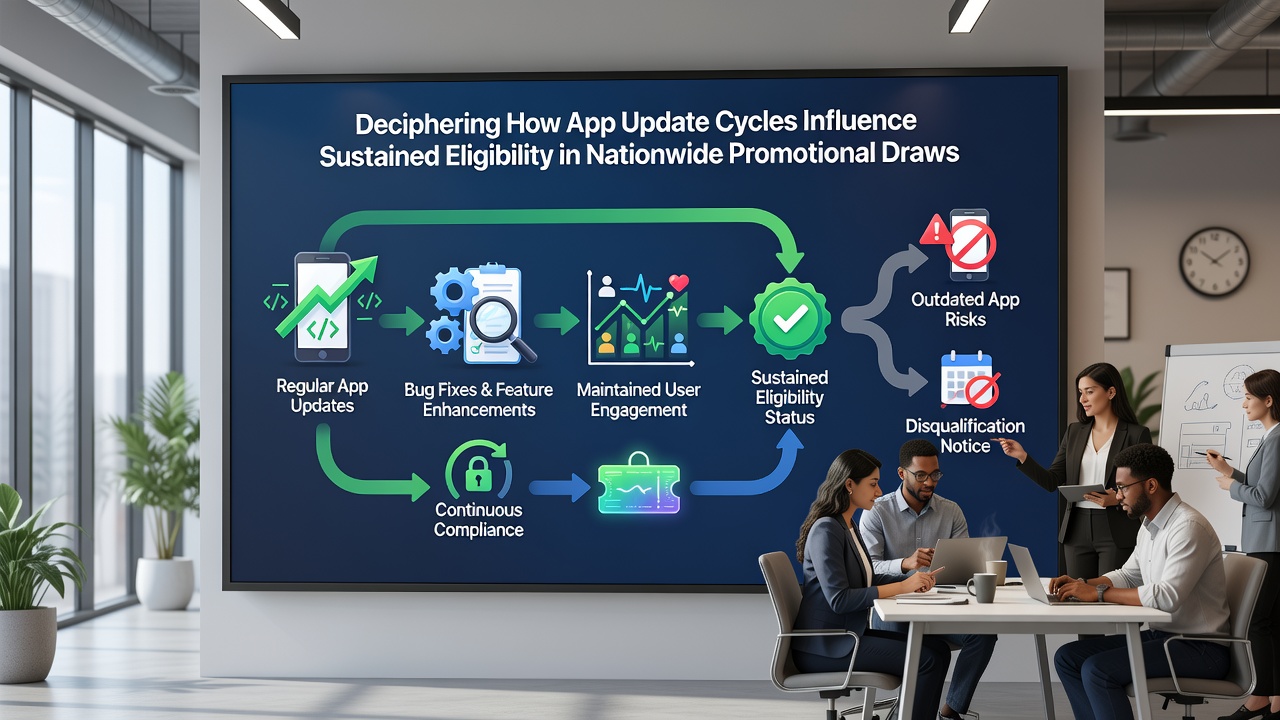
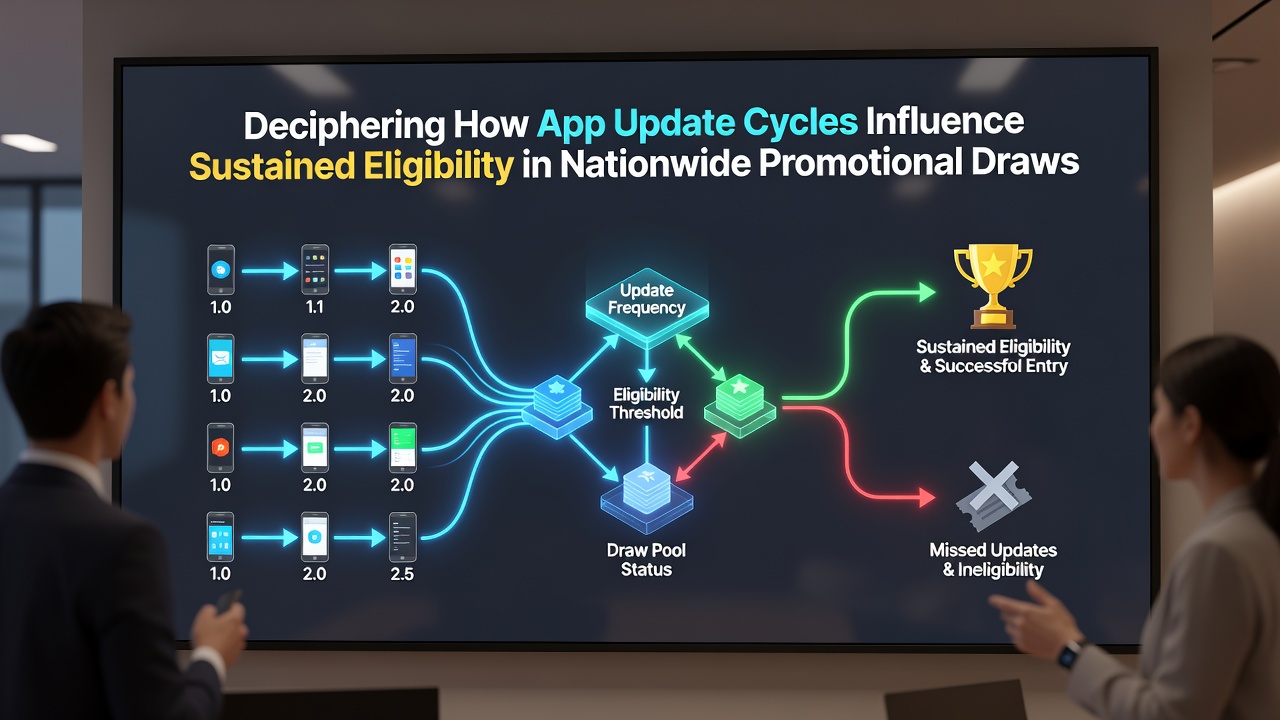
App update cycles shape eligibility patterns in nationwide promotional draws because developers release new versions to address security patches, feature additions, and regulatory adjustments. Those cycles often align with operating system changes from major platforms, which forces participants to adapt their devices or risk losing access to entry portals. Research from the Federal Trade Commission shows that promotional organizers must maintain compliance with consumer protection standards, and this includes ensuring apps function across updated hardware environments. Developers typically schedule major releases every three to six months, while minor patches arrive more frequently to fix bugs or close vulnerabilities. Participants who delay these installations encounter compatibility barriers that block login processes or form submissions during active draw periods. Data from industry tracking services indicates that eligibility retention rates drop when users operate on versions older than the minimum supported threshold, particularly in campaigns that run across multiple states with synchronized deadlines.Compatibility Shifts and Device Requirements
Platform providers enforce minimum operating system versions that evolve alongside app updates, creating ripple effects for sustained participation. A user on an older smartphone model might find that a required security feature becomes unavailable after a routine update, which severs connection to the draw system. Observers note that these shifts occur predictably around annual hardware launches, yet the precise timing varies by region because carriers and manufacturers stagger their rollouts. Studies conducted by academic researchers at institutions in Canada reveal correlations between update frequency and user retention in recurring promotions. When apps mandate newer API levels for data encryption, older devices fall out of compliance automatically. Those who've monitored multi-year draw networks report that eligibility verification checks now scan device metadata in real time, which means a single missed patch can disqualify an otherwise valid entry attempt.Notification Cadence and User Adaptation Patterns
Promotional platforms send alerts through in-app messages and email channels when new versions become mandatory, yet response rates vary widely across demographic groups. Participants who maintain regular profile updates alongside app refreshes preserve their standing more consistently than those who ignore prompts. Figures from the Australian Competition and Consumer Commission highlight how transparent disclosure of technical requirements reduces friction in long-running campaigns that span festive seasons and fiscal quarters. In July 2026 several nationwide draws introduced mandatory compatibility layers tied to the latest mobile OS releases, which prompted a measurable uptick in update activity among active entrants. Organizers coordinated these changes with announcement cycles to minimize disruption, while still enforcing the rules uniformly. People who track these alignments often discover that proactive installation windows open two weeks before enforcement dates, giving time for testing across different network conditions.