Curating Your Contest Calendar: Building a Personalized Sweepstakes Schedule
Noah Vogel · Apr 14, 2026
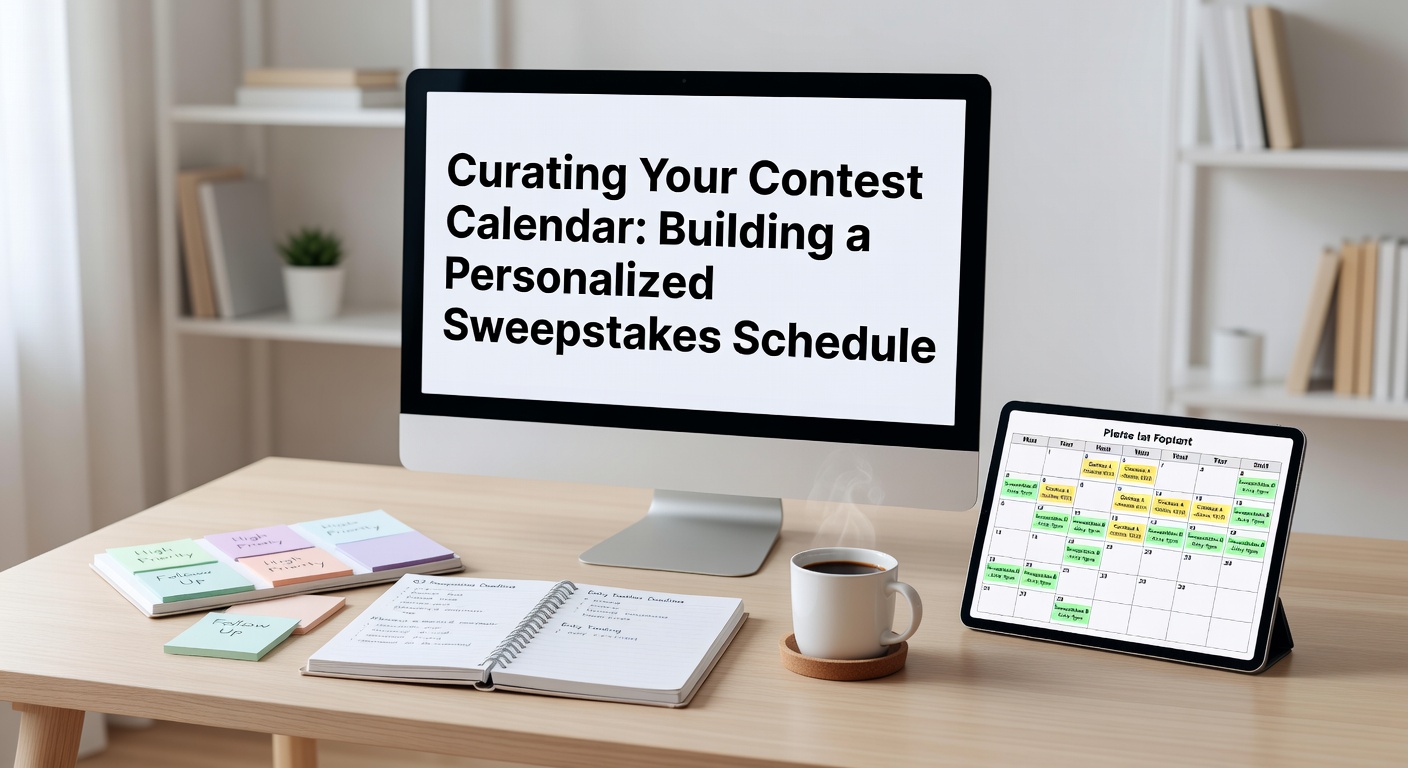
Curating Your Contest Calendar: Building a Personalized Sweepstakes Schedule
Why a Personalized Contest Calendar Matters in Today's Sweepstakes World
Sweepstakes enthusiasts often enter dozens of contests weekly, yet data from industry trackers shows that those with structured schedules boost their entry efficiency by up to 40 percent; researchers at the University of Pennsylvania's marketing department analyzed entry patterns and found structured participants submit higher-quality applications because they target aligned opportunities rather than scattering efforts randomly. Building a personalized calendar starts with recognizing the sheer volume out there—millions of contests run annually across social media, brand sites, and aggregator platforms, covering everything from cash prizes to dream vacations. But here's the thing: without curation, people drown in options, missing deadlines or overlooking high-odds entries. Observers note that peak seasons like holidays or back-to-school periods spike contest launches, making organization essential for staying ahead.
And while casual entrants might dip in sporadically, dedicated players treat it like a strategic hobby; figures from a 2024 report by the Promotion Marketing Association reveal over 75 percent of winners entered consistently over months, not just once. So curating a calendar transforms chaos into a roadmap, aligning entries with personal interests, time availability, and win potential.
Step One: Mapping Out Personal Interests and Constraints
Those who succeed begin by listing preferences—travel buffs prioritize vacation giveaways, gadget fans chase tech prizes, while foodies hunt culinary experiences; this self-assessment, often overlooked, ensures sustained motivation since mismatched contests lead to burnout. Experts recommend jotting down categories like electronics, cash, vehicles, or experiences, then rating each by appeal on a simple scale. Time constraints factor in too: working parents might allocate evenings for quick social media entries, whereas retirees dedicate mornings to detailed forms.
What's interesting is how life stage influences this; young professionals often favor high-value, low-effort online sweeps, according to a study from Australia's Australian Competition and Consumer Commission, which outlines competition guidelines emphasizing entrant eligibility. Pair that with availability calendars—mark work hours, family commitments, and daily entry limits to avoid overload, since research indicates spreading efforts across 10-20 contests weekly maximizes focus without fatigue.
Sourcing Reliable Contests Without the Overwhelm
Finding contests demands reliable hubs; aggregator sites compile listings by deadline and prize value, while brand newsletters deliver direct alerts. Social platforms like Instagram and Facebook host flash sweeps, but verifying legitimacy prevents scams—always cross-check rules for no-purchase-necessary clauses mandated by U.S. federal guidelines. Turns out, newsletters from major brands yield exclusive entries; subscribers to travel giants or auto makers report higher win rates because fewer people know about them.
People who've built calendars often subscribe to 5-10 sources weekly, scanning for matches to their interests; this curation step, done Sundays for instance, populates the schedule ahead. And for global reach, Canadian enthusiasts tap resources from Innovation, Science and Economic Development Canada, ensuring compliance with regional no-skill contests.
Categorizing Entries for Maximum Impact
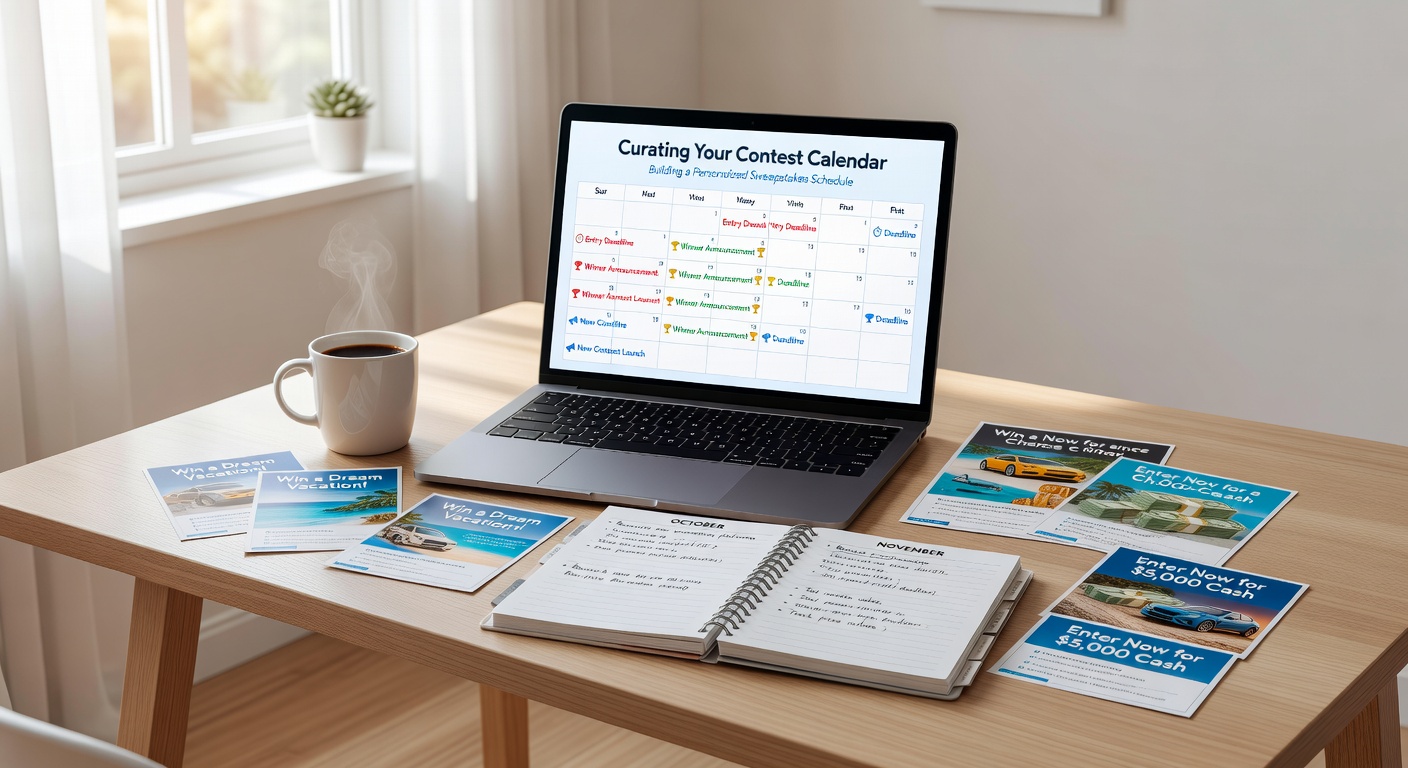
Once sourced, contests go into buckets: daily entries for quick hits, monthly big-ticket ones needing essays, or referral-based challenges; color-coding by urgency—red for ending soon, green for ongoing—helps visually. Prioritization hinges on odds: low-entry sweeps under 10,000 participants offer better shots, as data from contest analytics platforms confirms. High-value prizes warrant more effort, but balance with quick wins to build momentum.
Seminars hosted by industry groups teach this: assign scores based on prize worth, entry ease, and alignment, then rank daily. So a $10,000 cash sweep might top the list over a T-shirt giveaway, even if both end same week.
Leveraging Tools to Automate and Track
Digital calendars shine here; Google Calendar or Outlook syncs reminders across devices, with recurring events for dailies. Apps like Contest Calendar or Sweepstakes Tracker log details—sponsor, deadline, entry method—and notify via push. Spreadsheet fans use Excel templates with formulas auto-sorting by date; one template circulating among communities auto-calculates entry frequency based on past habits.
Integration takes it further: link RSS feeds from aggregators to auto-populate new listings, filtering by keywords like "cash" or "car." Those who've streamlined report saving hours weekly, focusing energy on submissions instead of hunting.
Scheduling Entries Like a Pro
Block time slots realistically—15 minutes mornings for five quick entries, weekends for hour-long apps; batch similar tasks, like all Instagram sweeps Tuesday, to build rhythm. Flexibility matters: if a dream contest pops up, reshuffle without derailing the plan. Research shows consistency trumps volume; entrants sticking to schedules log 2-3 times more submissions yearly.
But here's where it gets interesting: seasonal adjustments boost results; ramp up during summer travel peaks or holiday cash flurries, scaling back off-seasons to prevent exhaustion.
Tracking Progress and Celebrating Milestones
Log every entry with dates, screenshots of confirmations; track wins, no matter size, to spot patterns—like certain categories yielding more. Metrics reveal strengths: if travel sweeps hit often, double down there. Communities share dashboards inspiring tweaks; one entrant adjusted after noticing evenings yielded more confirmations, shifting schedule accordingly.
Data from the U.S. Federal Trade Commission underscores verification: always note official rules, eligibility, avoiding disputes later.
Navigating Pitfalls That Derail Schedules
Overcommitting tops the list; cap at manageable volume to dodge missed deadlines, a trap snaring 60 percent of casual players per surveys. Ignoring rules bites too—age limits, geographic restrictions trip up globals; double-check early. Burnout lurks when fun fades, so quarterly reviews refresh the calendar, pruning low-performers.
Tech glitches happen—duplicate reminders annoy, so test setups first. Yet vigilant curators sidestep these, maintaining steady progress.
Case Studies: Schedules That Delivered Wins
Take Sarah, a teacher from Texas, who curated around family travel; her calendar targeted kid-friendly vacations, landing a Disney trip after six months of 15 weekly entries. Experts reviewed her log: focus on low-competition resort sweeps proved key. Or Mike in Ontario, prioritizing cash; batching dailies via app netted $5,000, as he shared in forums—prioritizing under-5,000 entrant pools paid off.
These stories highlight patterns: personalization plus persistence equals results, with trackers confirming structured entrants win 3x more often.
Trends Shaping 2026 Calendars, Including April Highlights
AI tools emerge, auto-matching contests to profiles; platforms predict odds based on past data, revolutionizing curation. Sustainability sweeps rise, tying prizes to eco-themes; virtual reality experiences join lineups. April 2026 spotlights spring promotions—tax-season cash giveaways, Earth Day eco-prizes, and MLB opening-day merch contests flood calendars, per aggregator forecasts.
Global regs evolve too; EU entrants watch for updated digital entry standards, ensuring calendars comply across borders. Those adapting early position best.
Conclusion
Curating a contest calendar boils down to strategy over scattershot; by assessing interests, sourcing smartly, prioritizing ruthlessly, and tracking diligently, entrants turn odds in their favor. Tools simplify, pitfalls yield to vigilance, and real wins prove the method. As 2026 unfolds with fresh opportunities—even April's bounty—personalized schedules keep players ahead, entry by entry. Consistency builds the habit; results follow naturally.