Charting Cross-Border Eligibility Shifts in Recurring Promotional Draw Networks
Zara Reed · May 28, 2026
Charting Cross-Border Eligibility Shifts in Recurring Promotional Draw Networks
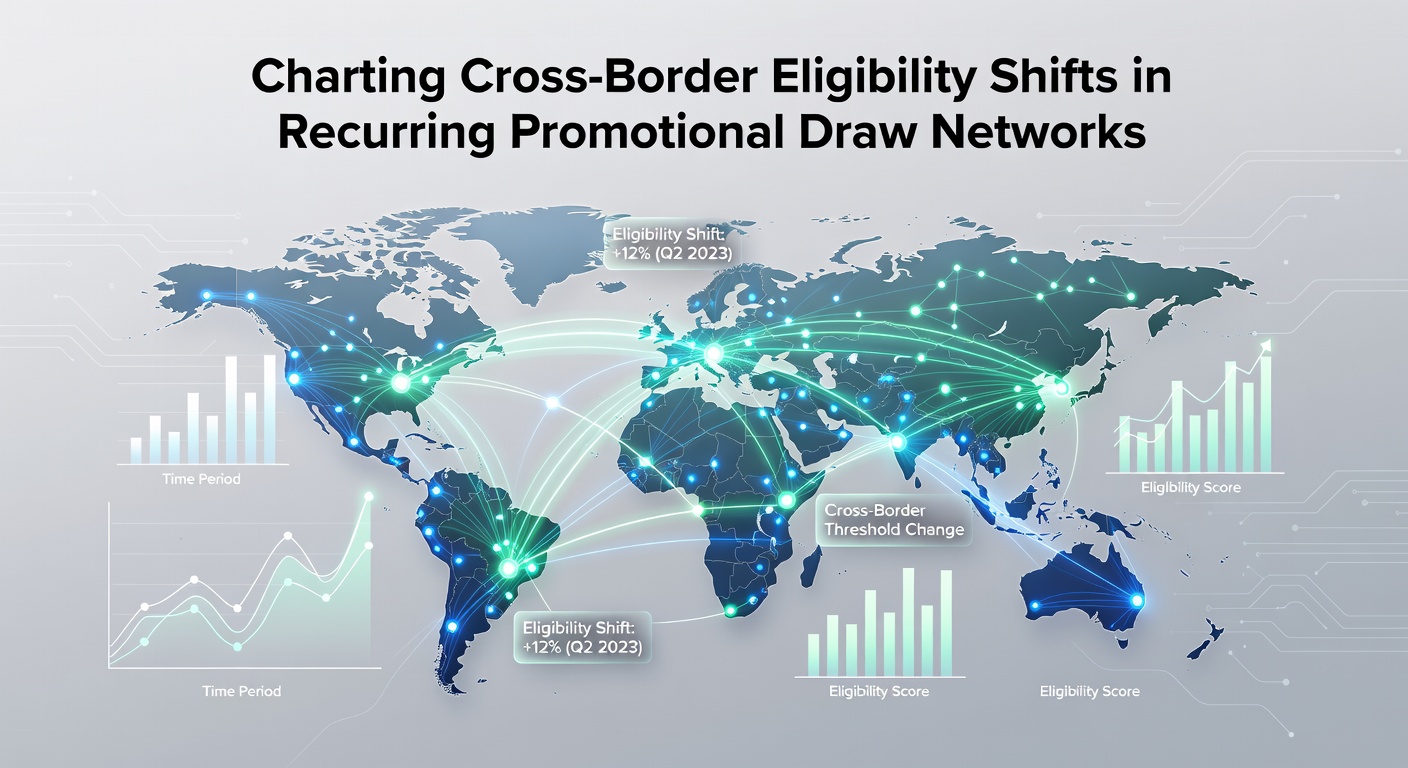
Recurring promotional draw networks operate through repeated entry cycles that span multiple jurisdictions, and eligibility rules adjust frequently based on local statutes as well as platform policies. Observers note that participants often encounter sudden changes when promotions cross national lines because each country maintains distinct requirements for age verification, residency proof, and tax reporting. Data from regulatory filings indicate these shifts occur most often in regions where consumer protection laws receive periodic updates, forcing operators to recalibrate entry portals on short notice.
Core Mechanics of Recurring Draw Systems
These networks rely on synchronized registration databases that pull real-time location data from IP addresses and user profiles, yet the underlying rules differ sharply between markets. In practice, an entrant who qualifies under one set of statutes may find their status revoked when the same promotion extends into another territory because residency thresholds or prohibited-device lists diverge. Research compiled by industry monitoring groups shows that operators maintain separate rule sets for each region and apply them automatically through geofencing layers that activate at the point of entry submission.
Regulatory Drivers Behind Eligibility Adjustments
Legislative amendments in consumer protection codes trigger many of the documented shifts, and agencies publish notices well in advance so platforms can implement compliance patches. According to records maintained by the U.S. Federal Trade Commission, revisions to advertising disclosure standards have prompted several major networks to tighten age-verification protocols across North American entries since 2023. Meanwhile, parallel updates in Canadian competition law have introduced new residency documentation demands that affect cross-border participants entering from adjacent U.S. states. Those adjustments typically take effect after a defined notice period, allowing entrants time to update profiles before the next draw cycle begins.
Geographic Patterns Observed Through 2026
Mapping exercises conducted by academic researchers reveal clusters of rapid change along borders where digital commerce treaties intersect with stricter gambling-adjacent statutes. In the period leading into May 2026, several networks reported additional verification steps for entrants located near the U.S.-Canada boundary after provincial regulators issued fresh guidance on prize taxation thresholds. Similar patterns appear in trans-Tasman operations between Australia and New Zealand, where harmonization efforts have produced unified disclosure templates yet left individual age limits intact. Data aggregated from public compliance reports further indicate that European Economic Area participants face layered consent requirements tied to data-protection directives, which occasionally override eligibility granted under earlier national frameworks.
Operational Responses by Network Administrators
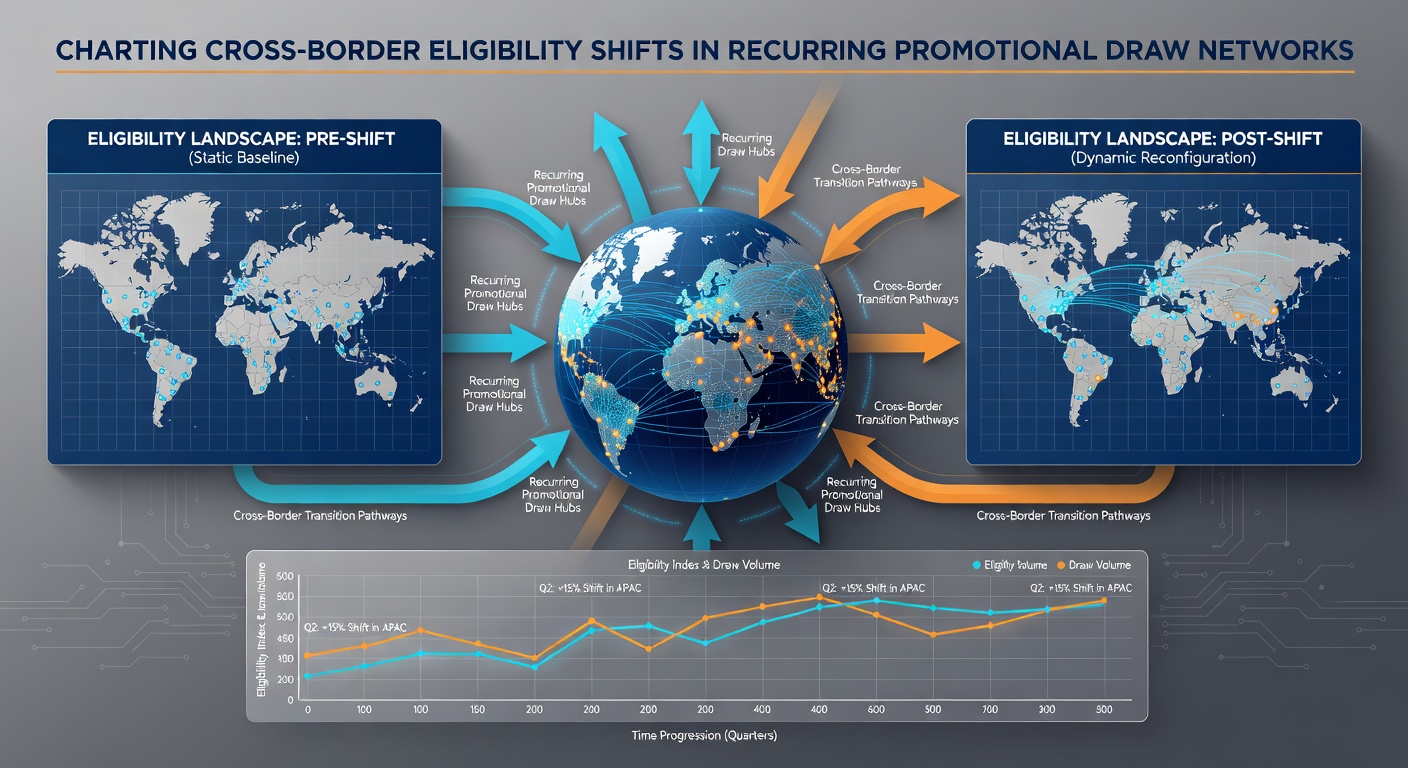
Platform teams deploy automated compliance engines that cross-reference user data against updated regulatory tables, and these systems flag accounts when a new restriction appears. One documented case involved a weekly draw series that expanded into additional EU member states; the operator inserted a mandatory tax-ID field for all entrants from those jurisdictions after directives from national consumer authorities took hold. Such modifications occur without disrupting the draw schedule itself because the engines process changes in background batches during off-peak hours. Industry association publications note that successful networks maintain redundant rule libraries so a single jurisdiction update does not cascade into global outages.
Participant Strategies Grounded in Verified Data
Entrants who track official regulatory announcements through government portals reduce the risk of last-minute disqualifications, and multiple studies confirm that profile-maintenance routines correlate with higher completion rates in multi-country campaigns. Figures released by university-affiliated consumer research centers show that participants who verify residency status every thirty days encounter fewer eligibility interruptions than those who update only at initial registration. Networks sometimes publish jurisdiction-specific checklists on their sites, allowing users to confirm current requirements before each submission window opens. These checklists incorporate links to primary regulatory sources, which keeps the information aligned with the latest statutory language.
Conclusion
Cross-border eligibility shifts within recurring promotional draw networks stem directly from evolving statutes, automated compliance systems, and documented regulatory timelines. Observers continue to monitor filings from agencies across multiple continents because each new amendment can alter entry pathways for thousands of participants simultaneously. Networks that maintain current rule libraries and transparent checklists enable entrants to navigate these changes without interruption to established participation patterns.