Behind the Curtain of Random Number Generators in Daily and Weekly Prize Selections
Zara Reed · May 19, 2026
Behind the Curtain of Random Number Generators in Daily and Weekly Prize Selections
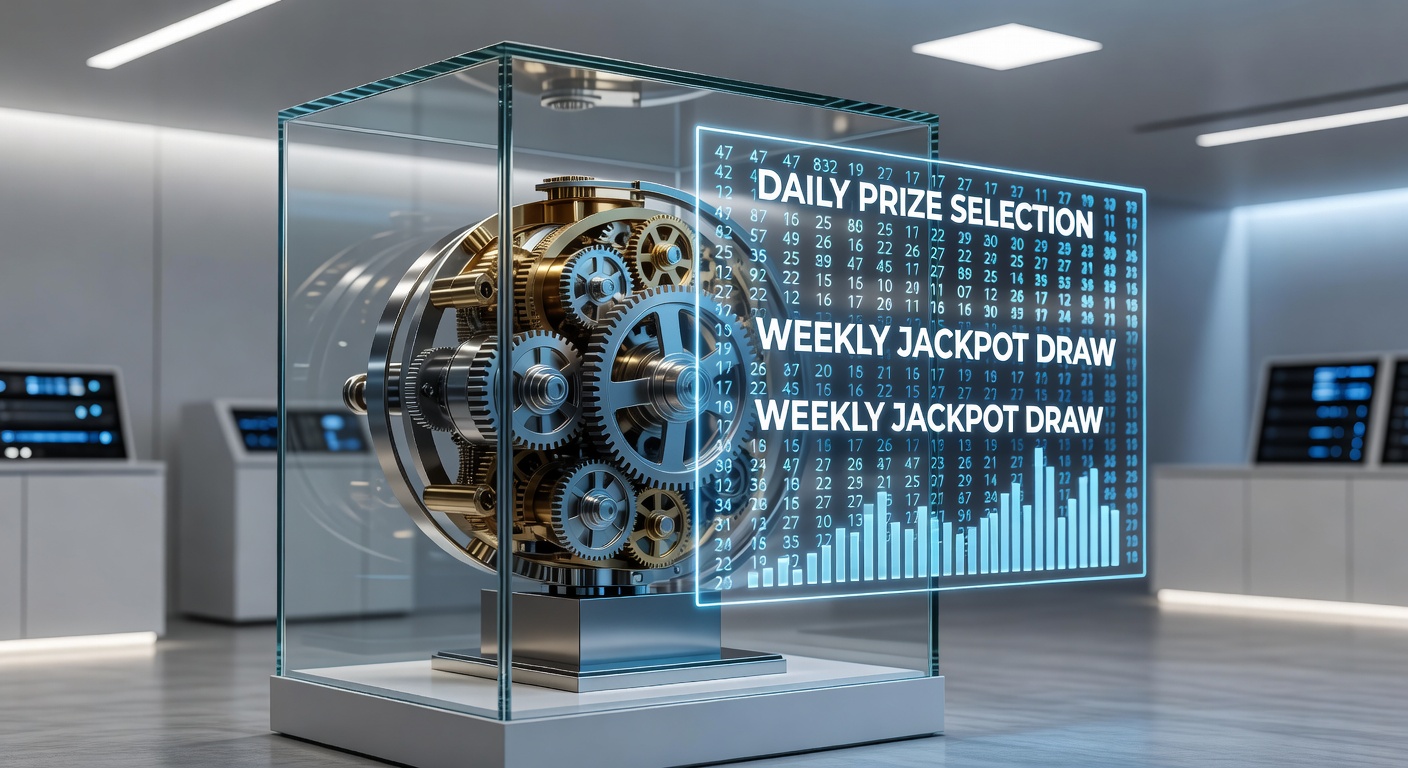
Random number generators form the backbone of fairness in daily and weekly prize selections across lotteries, sweepstakes, and promotional giveaways, where they produce unpredictable outcomes that determine winners without human intervention. These systems operate through algorithms or physical processes that create sequences of numbers, each equally likely to appear, and organizations deploy them to handle everything from small daily draws to larger weekly events that attract thousands of entries. Observers note that certified RNGs undergo rigorous testing to meet standards set by regulatory bodies, which helps maintain public trust in the selection process. ## Core Mechanisms Behind RNG Technology
Software-based RNGs rely on mathematical formulas seeded with initial values drawn from sources like system clocks or environmental noise, while hardware variants use physical phenomena such as electronic noise or radioactive decay to generate true randomness. In daily prize selections, promoters often favor pseudorandom number generators because they deliver results quickly and repeatably for verification purposes, yet these must pass statistical tests that confirm uniform distribution across possible outcomes. Weekly contests, by contrast, sometimes incorporate additional layers like multiple draws or combined pools, where the RNG processes larger datasets to select from accumulated entries. Researchers have documented how these generators avoid patterns that could favor certain numbers, and data from industry audits shows consistent performance when systems receive proper certification. Those who manage prize operations integrate RNGs with entry databases so that each valid submission receives an equal chance during the draw. The process typically involves hashing or encrypting the seed values to prevent tampering, and independent labs verify the code before deployment. In May 2026, several North American lottery commissions began requiring enhanced entropy sources for all weekly promotions, a shift that aligns with broader updates from technical standards organizations focused on cryptographic security. ## Regulatory Oversight and Testing Protocols
Government agencies and independent testers evaluate RNGs against benchmarks that include checks for periodicity, correlation, and predictability. The National Institute of Standards and Technology provides guidelines that many operators follow when implementing these systems, and compliance reports indicate that certified generators pass thousands of statistical trials before approval. Auditors examine both the algorithm and the surrounding software environment to rule out biases introduced by poor implementation or external interference. - Certification bodies conduct periodic re-testing, often annually or after any code changes
- Statistical suites such as Diehard or NIST's own test battery measure output quality
- Operators must retain logs that allow reconstruction of past draws for dispute resolution
People familiar with sweepstakes management observe that these protocols reduce the risk of manipulation claims, since results can be recreated using the original seed and algorithm under controlled conditions. ## Applications in Daily Versus Weekly Formats
Daily prize selections usually feature smaller entry volumes and faster turnaround times, so RNG implementations emphasize speed and simplicity while still meeting fairness criteria. Weekly draws, however, handle bigger participant pools and sometimes combine entries across multiple days, requiring RNGs that scale efficiently without introducing delays. One documented case involved a regional promotion that switched to a hardware RNG mid-year, after which audit records showed improved resistance to potential side-channel attacks. What's interesting is how promoters blend RNG outputs with additional verification steps, such as witness signatures or blockchain timestamps, to create transparent audit trails. This approach appears more frequently in larger weekly events where public scrutiny runs higher. Data indicates that properly configured systems maintain outcome uniformity even when entry numbers fluctuate dramatically between daily and weekly cycles. 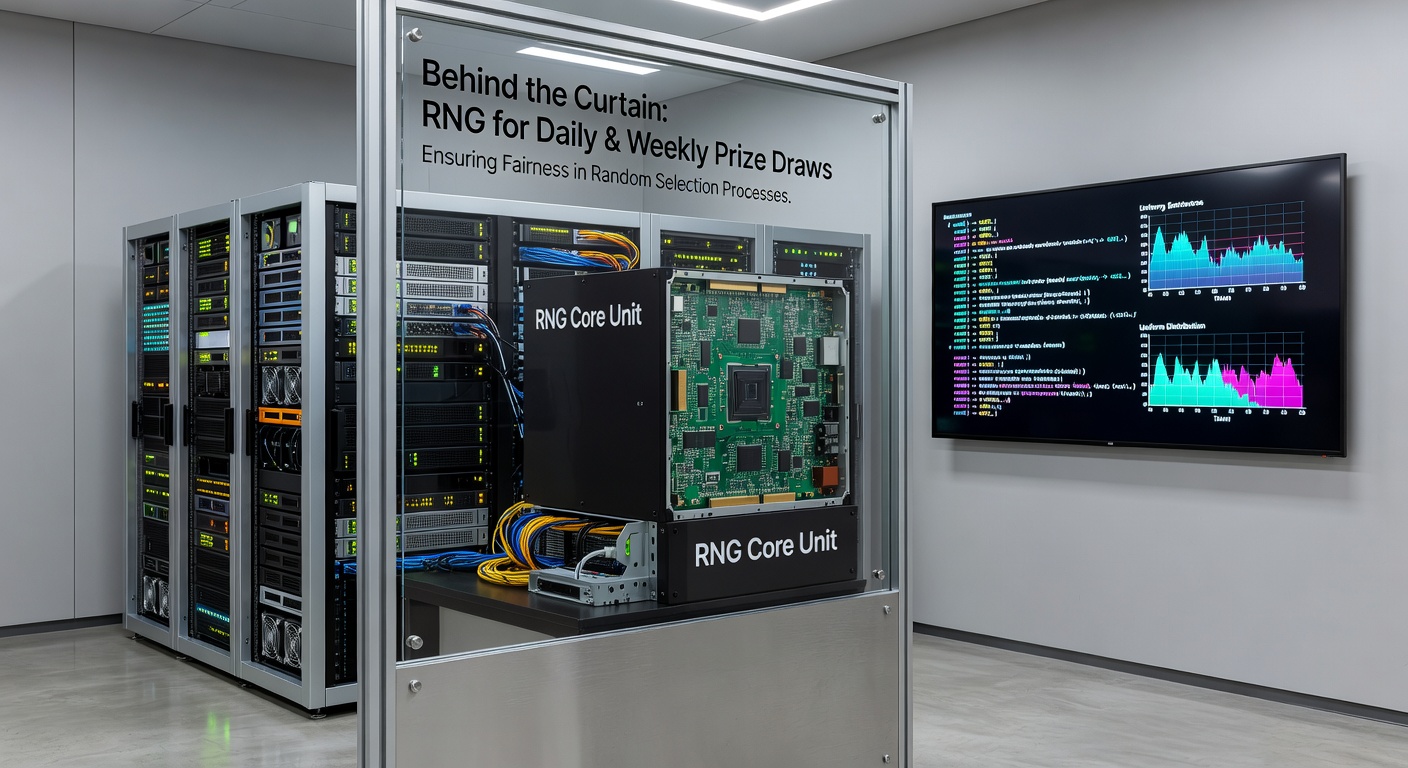 ## Common Technical Challenges and Solutions
Entropy collection remains a persistent concern, since insufficient randomness in the seed can theoretically reduce unpredictability. Engineers address this by combining multiple entropy sources and applying post-processing techniques like hashing or whitening. Studies from academic research groups have measured the impact of these methods, finding that well-designed post-processing restores statistical properties even when raw input varies. Operators also guard against implementation errors that might leak information through timing side channels or memory access patterns. Regular code reviews and penetration testing help identify such vulnerabilities before they affect live draws. Figures from compliance databases reveal that most issues surface during initial certification rather than after deployment, which underscores the value of thorough pre-launch validation. ## Looking Ahead to Future Standards
As computational power grows, RNG requirements continue to evolve, with emphasis on quantum-resistant algorithms and real-time monitoring dashboards that flag anomalies during live selections. Industry reports project wider adoption of hybrid systems that merge hardware entropy with software flexibility, particularly for promotions running on distributed platforms. These developments aim to keep pace with increasingly sophisticated entry methods while preserving the core guarantee of equal opportunity for every participant. ## Conclusion
Random number generators quietly underpin the integrity of countless daily and weekly prize selections, operating through tested algorithms and physical processes that deliver verifiable randomness. Regulatory frameworks, statistical validation, and ongoing technical refinements ensure these systems withstand scrutiny, while practical applications adapt to the distinct demands of frequent versus periodic draws. Observers continue to track advancements that strengthen security without complicating the participant experience, maintaining the foundation of trust essential to promotional gaming.
## Common Technical Challenges and Solutions
Entropy collection remains a persistent concern, since insufficient randomness in the seed can theoretically reduce unpredictability. Engineers address this by combining multiple entropy sources and applying post-processing techniques like hashing or whitening. Studies from academic research groups have measured the impact of these methods, finding that well-designed post-processing restores statistical properties even when raw input varies. Operators also guard against implementation errors that might leak information through timing side channels or memory access patterns. Regular code reviews and penetration testing help identify such vulnerabilities before they affect live draws. Figures from compliance databases reveal that most issues surface during initial certification rather than after deployment, which underscores the value of thorough pre-launch validation. ## Looking Ahead to Future Standards
As computational power grows, RNG requirements continue to evolve, with emphasis on quantum-resistant algorithms and real-time monitoring dashboards that flag anomalies during live selections. Industry reports project wider adoption of hybrid systems that merge hardware entropy with software flexibility, particularly for promotions running on distributed platforms. These developments aim to keep pace with increasingly sophisticated entry methods while preserving the core guarantee of equal opportunity for every participant. ## Conclusion
Random number generators quietly underpin the integrity of countless daily and weekly prize selections, operating through tested algorithms and physical processes that deliver verifiable randomness. Regulatory frameworks, statistical validation, and ongoing technical refinements ensure these systems withstand scrutiny, while practical applications adapt to the distinct demands of frequent versus periodic draws. Observers continue to track advancements that strengthen security without complicating the participant experience, maintaining the foundation of trust essential to promotional gaming.