App Update Cycles Reshaping Participation Patterns in Recurring Prize Ecosystems
Parker Flores · Aug 16, 2026
App Update Cycles Reshaping Participation Patterns in Recurring Prize Ecosystems
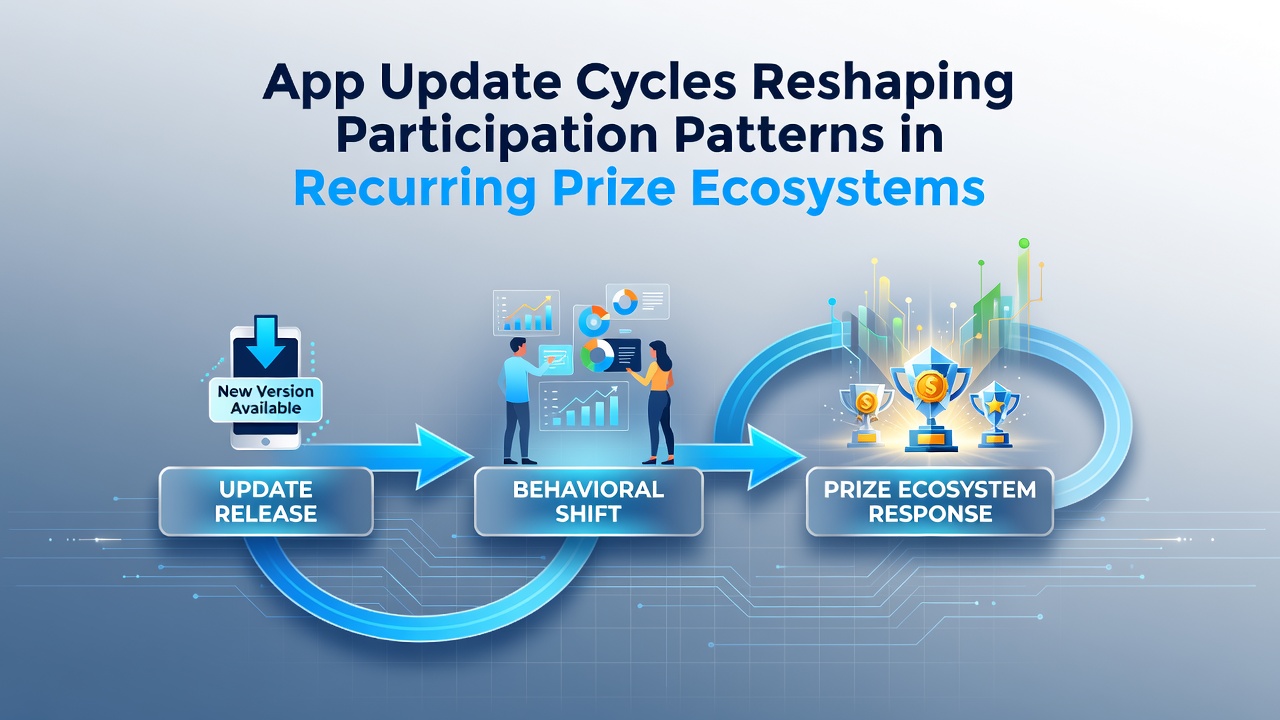
App update cycles have altered how participants engage with recurring prize platforms since developers began rolling out frequent revisions to maintain compatibility and introduce new features. These cycles typically occur every four to six weeks across major contest applications, and each iteration brings changes that influence entry frequency, device compatibility, and overall retention rates. Data from industry tracking services shows that participation drops of 15 to 25 percent often follow major updates, particularly when users encounter altered interfaces or revised eligibility prompts.
Compatibility Shifts and Entry Behavior
Platform operators release updates to address security patches, operating system alignments, and regulatory compliance requirements, yet these modifications create friction for users who rely on older devices or slower network connections. Researchers at several academic institutions documented that participants using devices more than three years old experience higher abandonment rates after updates, because new code often demands updated operating systems or additional permissions. In August 2026, multiple prize applications introduced mandatory biometric verification steps that required iOS 17 or Android 14, and logs from those platforms indicated a measurable reduction in daily entries from regions with older device penetration.
Those who study these ecosystems note that users adapt by switching to alternative devices or timing their entries around update windows, while others reduce their overall activity until familiarization occurs. Participation patterns shift accordingly, with spikes in pre-update submissions followed by temporary lulls as users reinstall or reconfigure applications.
Notification and Feature Adjustments
Updates frequently modify notification systems that alert users to new draws or deadline changes, and these alterations affect how consistently individuals maintain their routines. Some revisions consolidate alerts into single daily summaries, whereas others expand them to include real-time reminders. According to a study published by the University of Melbourne's Digital Participation Lab, platforms that altered notification cadence saw a 12 percent variance in weekly entry volumes during the first month after deployment. Participants who previously relied on push notifications sometimes missed deadlines when default settings reset during the update process.
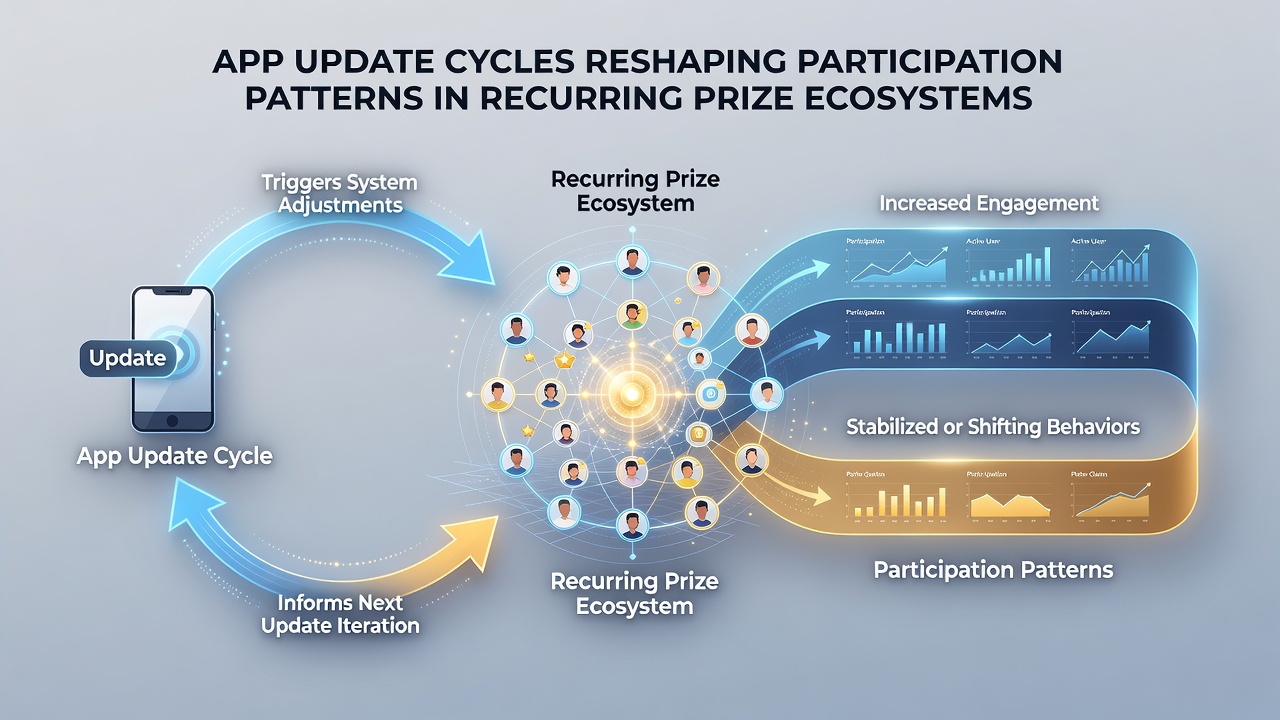
Feature additions such as integrated referral tools or streamlined profile management appear in many cycles, and these elements can temporarily boost engagement when they reduce friction. Yet the same updates may introduce new data fields or verification layers that require time to complete, leading some users to pause activity. Observers tracking multi-platform participation report that individuals often migrate toward applications with more stable update schedules during periods of rapid iteration elsewhere.
Regional Variations in Response
Geographic factors influence how update cycles reshape involvement. In North America, higher smartphone refresh rates correlate with steadier participation numbers after revisions, whereas data from the Australian Competition and Consumer Commission indicates slower adaptation in markets where users retain devices longer. Cross-border eligibility rules also interact with updates, because some revisions adjust location verification protocols to align with changing regulations. Participants in the European Union have encountered additional consent screens following privacy-related patches, and these steps extend the time required for each entry session.
Industry reports compiled by the Interactive Advertising Bureau highlight that developers who communicate update schedules in advance experience smaller dips in activity. Clear release notes that detail changes to entry mechanics allow users to prepare, reducing the abrupt shifts that otherwise disrupt established patterns. In contrast, surprise modifications to prize claim procedures or account linkage requirements tend to generate support tickets and temporary withdrawal from active contests.
Long-Term Effects on Retention
Over multiple cycles, recurring prize ecosystems develop distinct retention curves tied to update frequency. Platforms that maintain predictable quarterly major releases alongside minor patches show steadier user bases compared with those that issue weekly changes. Figures from platform analytics providers reveal that sustained access depends partly on how well developers preserve core entry workflows during revisions, even as they introduce enhancements. Users who maintain updated profiles and compatible devices demonstrate higher continuity across successive draws.
Coordinated timing between app updates and broader promotional calendars also matters. When developers align releases with low-activity periods, such as post-holiday lulls, the impact on entry volumes stays contained. Conversely, updates released immediately before high-stakes draws can suppress participation if compatibility issues surface during peak submission windows.
Conclusion
App update cycles continue to influence participation patterns through compatibility demands, notification changes, and feature revisions that affect entry habits across recurring prize platforms. Evidence from regulatory bodies, academic studies, and industry analytics shows measurable short-term fluctuations followed by varying degrees of adaptation depending on region, device age, and communication practices. Those who track these ecosystems observe that consistent update strategies paired with clear user guidance tend to minimize disruptions, while rapid or poorly documented changes correlate with temporary declines in activity. As platforms evolve through 2026 and beyond, the relationship between development schedules and user behavior remains a central factor in how recurring prize ecosystems function.