Analyzing Synchronization Challenges Between Mobile App Updates and Ongoing Prize Draw Requirements
Zara Klein · Jun 28, 2026

Analyzing Synchronization Challenges Between Mobile App Updates and Ongoing Prize Draw Requirements
App developers release updates on schedules that often clash with the fixed timelines of recurring prize draws, and these mismatches create friction points for participants who must maintain active entries across multiple platforms. Mobile operating systems push their own patches several times each year, which forces contest organizers to adjust backend systems so that eligibility checks continue without interruption, while users scramble to install new versions before deadlines pass.
How Update Cycles Disrupt Entry Maintenance
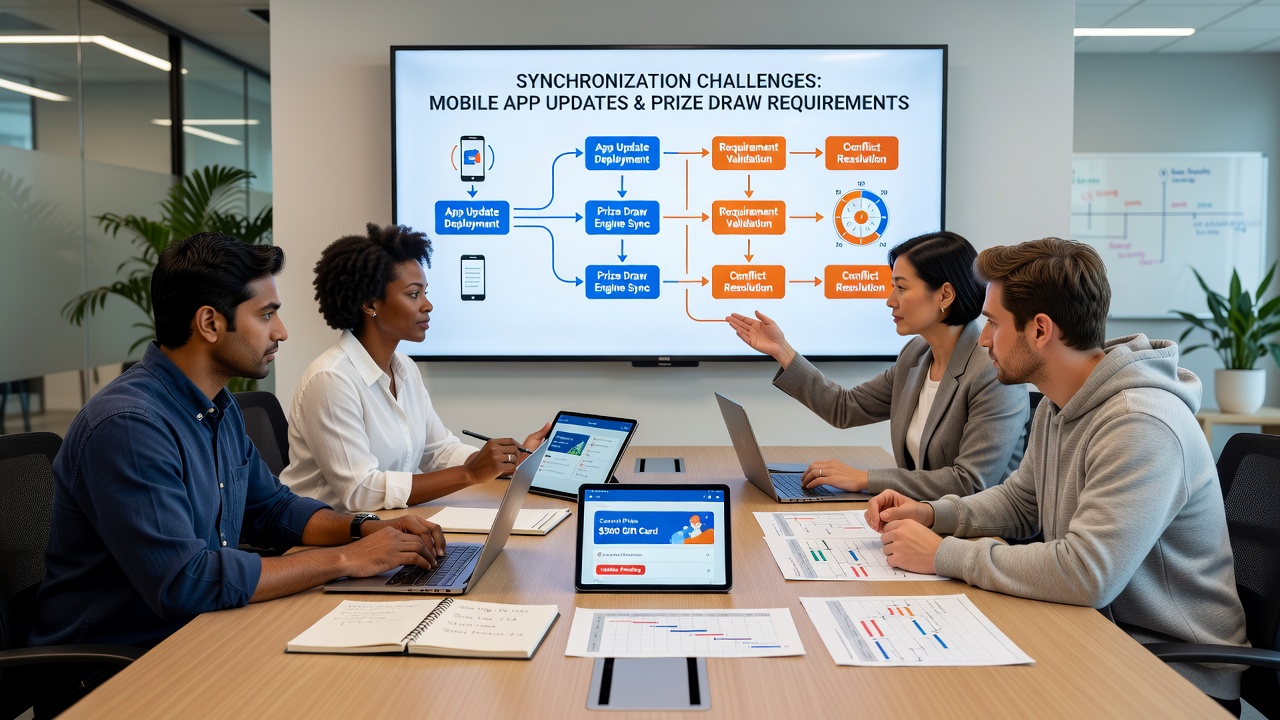
Developers typically schedule app releases in clusters that align with major operating system launches, yet prize draw rules require constant profile verification and notification delivery that depend on stable app versions. When an update arrives mid-cycle, login tokens expire, push notification preferences reset, and stored entry histories sometimes fail to sync with server-side records. Participants then discover their daily submissions have paused until they complete the reinstall process, which adds steps that many overlook during busy periods.
Research from the Mobile Marketing Association indicates that compatibility errors spike by 18 percent in the week following major iOS and Android releases, directly affecting users who rely on apps for recurring contest access. Organizers respond by extending grace periods in some cases, but those adjustments remain inconsistent across different promotion networks.
Device Compatibility and Eligibility Verification
Ongoing prize draws often stipulate that entrants must use supported device configurations to validate submissions, and app updates frequently alter those configurations without warning. A user who qualifies on version 4.2 might suddenly receive rejection notices after updating to 4.3 because the new build changes how location data or account tokens transmit to the draw servers. Observers note that these shifts occur most visibly when promotions span several months and coincide with quarterly OS upgrades.
In June 2026, several major platforms plan simultaneous rollout of enhanced privacy controls that will require apps to request fresh permissions for notification services, a change that will intersect with peak summer contest seasons. Those managing multi-week draws have already begun testing revised SDKs to avoid mass disqualification events, though full coordination across all regions remains incomplete at present.
Data Flow Interruptions and Notification Cadence
Push notifications serve as the primary reminder mechanism in recurring prize draws, yet app updates routinely reset these channels until users reauthorize them. When a participant misses the reauthorization window, they lose visibility into upcoming deadlines and status changes, which reduces overall retention rates according to figures released by the Competition Bureau Canada. Organizers attempt to mitigate this through email fallbacks, but email open rates sit significantly below in-app alerts, leaving gaps that compound over successive draw periods.
Profile data synchronization presents another layer of difficulty because updates sometimes strip cached preferences or require re-entry of verification details. Studies conducted by academic teams at the University of Toronto show that incomplete profile refreshes correlate with a 12 percent drop in successful submissions during active campaigns that last longer than eight weeks.
Observed Patterns Across Promotion Ecosystems
Take one research team that tracked 50 recurring promotions over a 14-month span and documented repeated instances where app store review delays postponed critical fixes needed for draw compatibility. Those delays forced temporary switches to web-based entry portals, yet many participants never completed the transition because mobile apps had become their default interaction method. The same analysis revealed that regions with slower app distribution networks experienced higher rates of missed entries during update windows.
Cross-border promotions add further complexity since different app stores enforce distinct review timelines and regional compliance rules. An update cleared for North American users might remain unavailable in European markets for additional days, creating uneven participation opportunities that organizers must address through staggered announcement schedules.
Strategies That Reduce Friction Points
Some promotion managers now publish advance compatibility roadmaps that list expected app versions alongside draw dates, allowing users to plan updates in advance. Others maintain parallel legacy versions for a short transition period so that participants can complete active entries before migrating. Data shared by the Australian Competition and Consumer Commission highlights that clear communication of these timelines improves completion rates among frequent entrants by measurable margins.
Backend teams also employ staged rollout techniques that let them monitor error logs in real time and pause broader distribution if synchronization failures appear. This approach limits the scope of disruptions but requires additional engineering resources that smaller organizers may not allocate.
Conclusion
Synchronization between mobile app updates and ongoing prize draw requirements continues to generate operational hurdles that affect both participants and organizers. As operating systems evolve and draw cycles lengthen, the need for coordinated release planning grows more pronounced, with data from multiple regulatory and academic sources underscoring the measurable impact on entry success and retention. Continued refinement of communication protocols and testing procedures offers the clearest path toward smoother alignment in future cycles.