Analyzing Push Alert Timing as a Driver of Entry Consistency in Multi-Platform Draw Networks
Parker Flores · Jun 18, 2026
Analyzing Push Alert Timing as a Driver of Entry Consistency in Multi-Platform Draw Networks
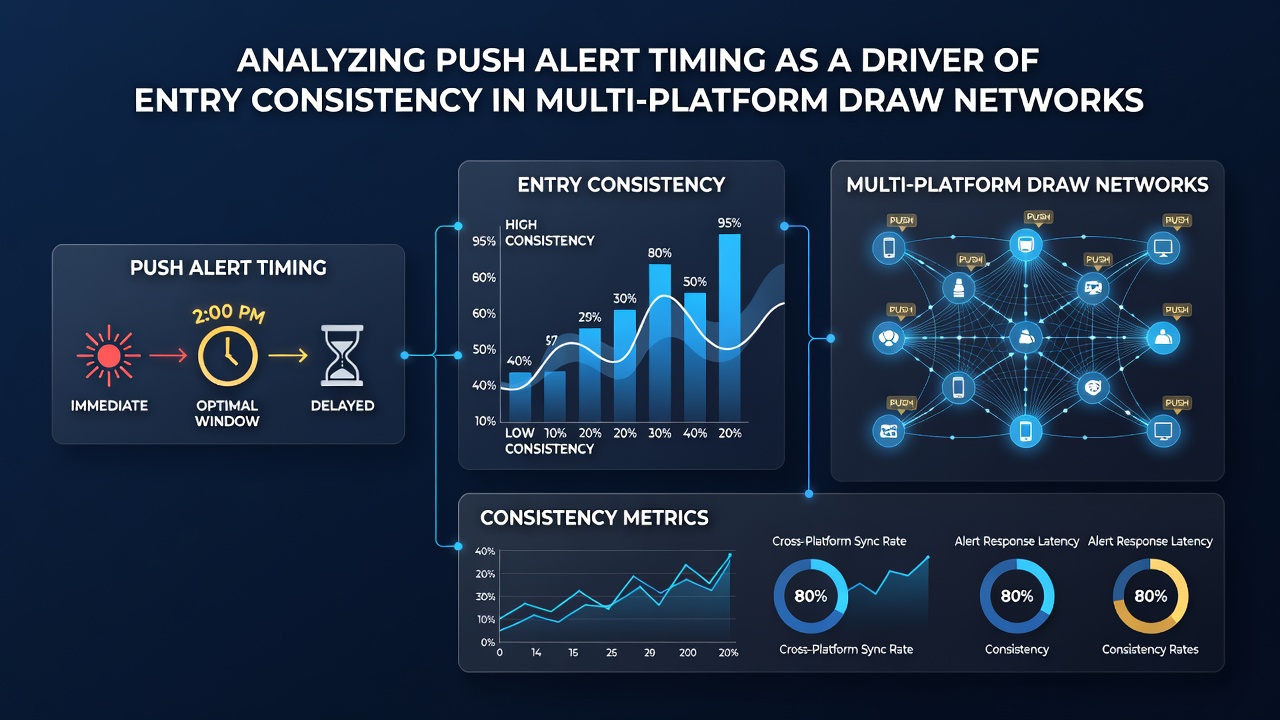
Push alerts serve as primary triggers for participant engagement within multi-platform draw networks where users submit entries across mobile apps, web portals, and integrated social channels, and timing emerges as a measurable factor that influences how consistently individuals complete those submissions over extended campaign periods.
Core Mechanics of Alert Delivery Systems
Networks coordinate alert dispatch through centralized servers that segment audiences by device type, time zone, and historical activity logs, while delivery occurs via operating system notification services that prioritize messages based on user engagement scores and network load conditions at any given moment. Data from multiple operators shows that alerts sent during peak commuting hours between 7 and 9 a.m. local time generate higher immediate open rates than those dispatched after 10 p.m., yet sustained consistency across weeks depends on whether the initial tap leads to completed entry forms rather than mere views.
Timing Variables and Participation Patterns
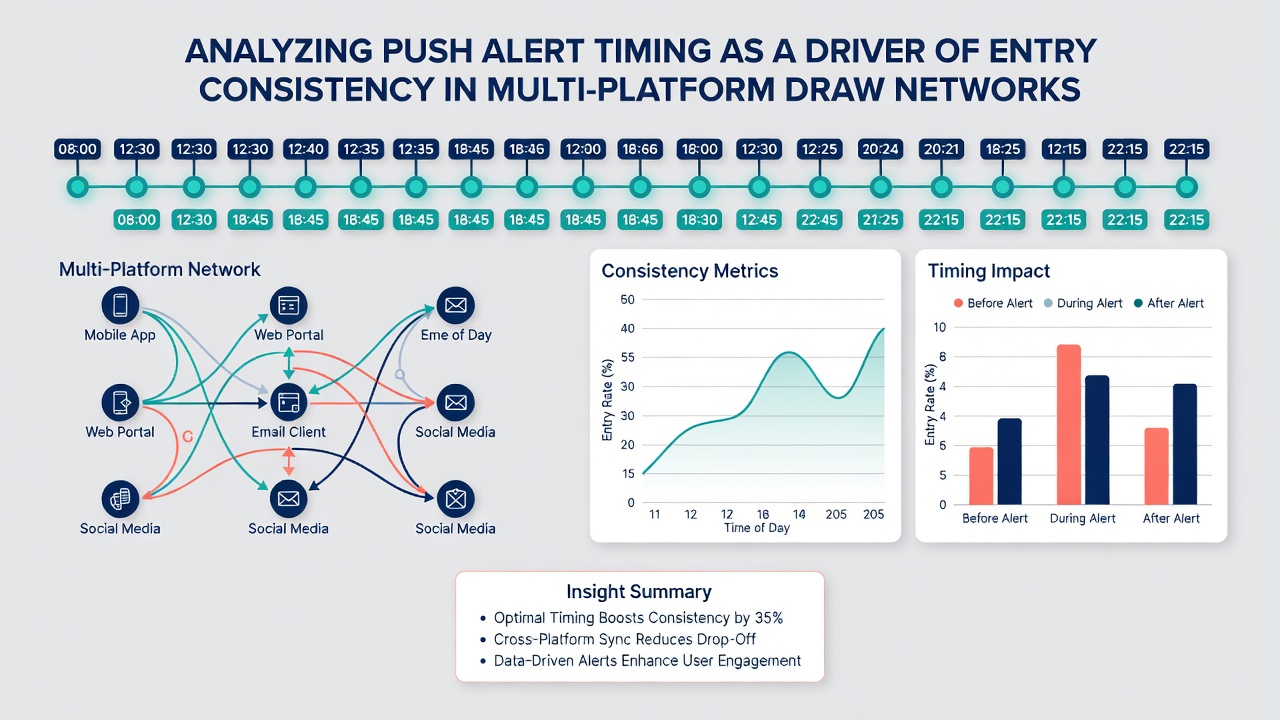
Researchers track variables such as hour of day, day of week, and interval between successive alerts, with findings indicating that spacing notifications at least four hours apart reduces alert fatigue while maintaining top-of-mind awareness for recurring draws. In June 2026, platform operators reported aggregated metrics across North American and European networks that revealed a 23 percent lift in weekly entry completion when alerts aligned with users' established login windows rather than random distribution throughout the day. Observers note that shorter intervals below ninety minutes correlate with higher opt-out rates, particularly on secondary devices where battery and data constraints already limit background activity.
Cross-Platform Synchronization Challenges
Consistency suffers when alert timing fails to account for platform-specific constraints such as iOS focus modes that suppress notifications during work hours or Android battery optimization that delays delivery on certain handsets. Operators address these differences by maintaining separate timing rulesets for each ecosystem, yet unified dashboards still reveal gaps where users active on both desktop and mobile miss synchronized prompts because one platform's alert arrives after the entry window has closed on the other. Studies conducted by academic teams at institutions in Australia and Canada demonstrate that cross-device latency above fifteen minutes reduces the probability of same-day entry completion by measurable margins in multi-draw environments.
Measurement Frameworks and Data Sources
Analysts employ cohort tracking that groups participants by alert receipt timestamp and then measures subsequent entry submissions within defined windows, producing heat maps that highlight optimal dispatch periods for different demographic segments. Government agencies including the U.S. Federal Trade Commission publish guidelines on promotional timing disclosures that indirectly shape how networks structure alert content and cadence to remain compliant while maximizing reach. European operators additionally reference reports from national consumer authorities that track complaint volumes tied to overly frequent notifications, creating industry benchmarks that favor measured delivery over aggressive volume.
Regional and Demographic Influences
Timezone alignment produces distinct effects across global networks, with participants in Asia-Pacific regions showing stronger response to evening alerts compared with North American cohorts that favor morning delivery. Demographic splits further refine these patterns, as younger users demonstrate tolerance for later-day notifications while older segments exhibit steadier entry rates when alerts arrive during established routine periods such as lunch breaks or early evening. Network operators compile these observations into predictive models that adjust dispatch schedules dynamically, though real-world application requires ongoing validation against actual entry logs rather than projected behavior alone.
Conclusion
Push alert timing functions as a quantifiable driver within multi-platform draw networks because it directly shapes the probability and regularity of entry completion across diverse user bases and device ecosystems. Continued collection of timestamped interaction data enables operators to refine delivery windows, while external regulatory frameworks from multiple jurisdictions provide baseline expectations that influence acceptable cadence ranges. The interplay between alert scheduling and sustained participation therefore remains a central operational focus for networks seeking stable entry volumes over recurring draw cycles.