Aligning Global Festive Periods with Worldwide Contest Registration Deadlines
Blake Schmitz · Jun 9, 2026
Aligning Global Festive Periods with Worldwide Contest Registration Deadlines
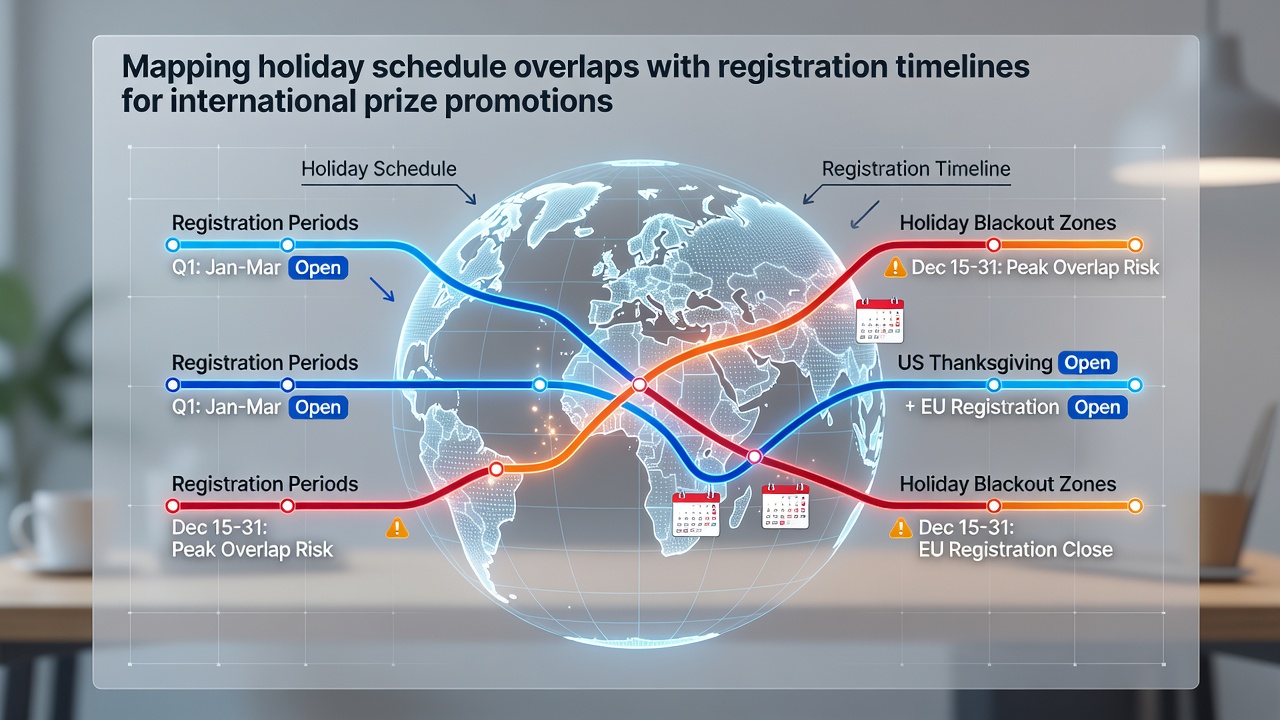
International prize promotions require careful coordination between registration windows and holiday calendars that differ by region, and observers note how these overlaps influence participation rates in recurring draws. Data from multiple jurisdictions shows that entry periods often coincide with national observances such as Christmas in December, Lunar New Year in January or February, and summer festivals in June, creating compressed timelines for participants across borders.
Those tracking promotion schedules find that organizers adjust deadlines to accommodate these variations, while participants map out their entries to avoid missing cutoffs during peak travel seasons. Research from academic institutions indicates that cross-border campaigns launched in early 2026 frequently incorporated buffers around June observances in several countries, including public holidays in Canada and parts of Europe that fall mid-month.
Understanding Regional Holiday Impacts on Entry Windows
Promotion operators examine calendars from multiple nations because a single registration period can span several time zones and cultural breaks. For instance, entries closing in late June 2026 align with both Canadian National Aboriginal Day on June 21 and various local festivals in Australia, which means systems must remain active despite reduced staffing at verification centers. Figures from industry reports reveal that such alignments lead to extended online portals that stay open through weekends and observed days off.
Participants often review official guidelines that specify how holidays affect processing, and these documents clarify whether deadlines shift forward or remain fixed regardless of local customs. One study released by a European research consortium found that promotions running across the EU and North America in 2025 saw a 12 percent uptick in last-minute submissions when overlaps occurred with Bastille Day in France and Independence Day in the United States.
Mapping Specific Overlaps in 2026 Schedules
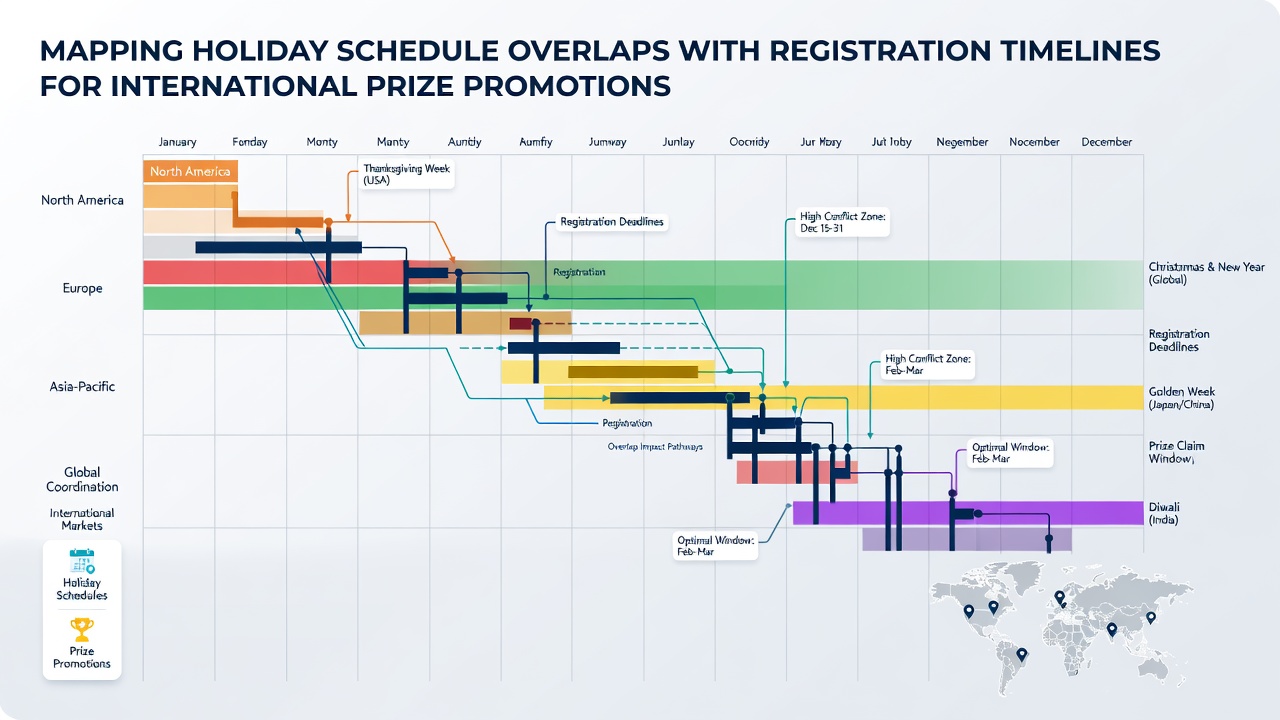
Calendar analysis for June 2026 highlights several key intersections that affect international draws. Observers note the overlap between the Dragon Boat Festival in parts of Asia, typically falling around June 19, and ongoing registration for summer prize events that extend into early July. This creates a narrow window where applicants from China, Singapore, and surrounding regions must complete forms before local business closures begin.
Meanwhile, promotions targeting South American audiences face potential delays around Inti Raymi celebrations in Peru on June 24, prompting organizers to set earlier cutoffs or provide alternative submission methods. Data indicates that firms using centralized platforms maintain consistent timelines by routing entries through automated systems that operate independently of regional holidays.
Tools and Methods for Tracking These Alignments
Contest networks provide digital calendars that integrate holiday data from government sources, allowing users to filter by country and promotion frequency. Those managing multiple entries use spreadsheet templates that flag potential conflicts, such as when a weekly draw registration closes during Eid al-Adha observances in Muslim-majority nations, which in 2026 falls in late May or early June depending on lunar sightings.
According to records maintained by the Australian Competition and Consumer Commission, clear disclosure of adjusted timelines helps maintain compliance across borders, and similar requirements appear in guidelines from Canada's Competition Bureau. Participants cross-reference these with academic calendars from universities that publish comparative holiday studies, revealing patterns like the clustering of summer breaks in the Northern Hemisphere that compress June and July registration activity.
Practical Adjustments for Sustained Participation
International entrants coordinate their schedules by setting reminders several weeks ahead of known overlaps, and this approach proves effective when combined with profile updates that confirm eligibility under each jurisdiction's rules. Evidence from trade association reports shows that promotions incorporating flexible entry options, such as mobile submissions during travel periods, experience steadier response rates even when holidays disrupt standard business hours.
Organizers in turn publish revised timelines on their platforms well in advance, which allows global audiences to plan around events like Japan's Marine Day on July 20 or South Africa's Youth Day on June 16. These announcements integrate with broader promotion ecosystems where recurring draws maintain momentum despite seasonal interruptions.
Conclusion
Effective mapping of holiday schedules against registration timelines supports smoother operations for international prize promotions, and available data continues to guide both organizers and participants in navigating these intersections throughout 2026 and beyond. By aligning calendars from diverse regions, the process maintains consistency across varied cultural and regulatory landscapes.